Species conservation highlights from COP17 in Yerevan
With four years remaining until the 2030 deadline to halt and reverse biodiversity loss, governments at COP17 are reviewing progress under the Kunming–Montreal Global Biodiversity Framework (GBF) and discussing how to accelerate implementation.
The first global assessment of progress, State of Biodiversity Action, presents a mixed picture: nearly 90% of countries have established national biodiversity targets, but fewer than half of those assessed are on track.
Against this backdrop, COP17 has brought new commitments to species conservation, while IUCN and its partners have shared practical experience from projects across Africa, Asia and Europe to help inform the next steps.
Species conservation in the spotlight: Key announcements
Over USD 500 million committed to species recovery
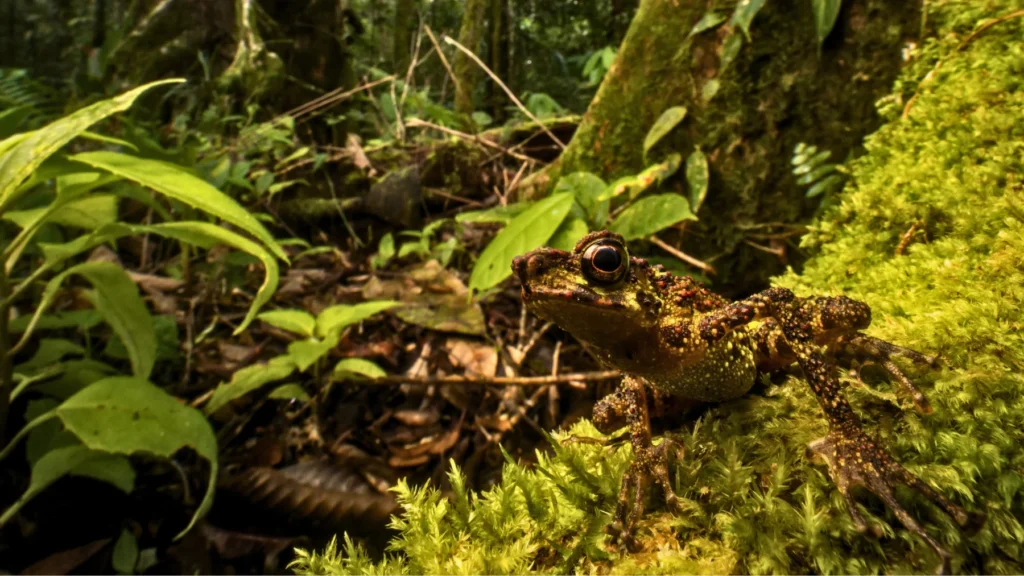
The new Species Recovery Alliance brings together nine philanthropic organisations, including Fondation Segré and IUCN member Re:Wild, with a commitment of more than USD 500 million over five years to support threatened species recovery.
Welcoming the initiative, IUCN Director General Grethel Aguilar said: “We are happy that Re:Wild, an IUCN member, is at the forefront of the new alliance, which is assisting these countries in their quest to save their biodiversity.”
Governments join forces to recover endangered species
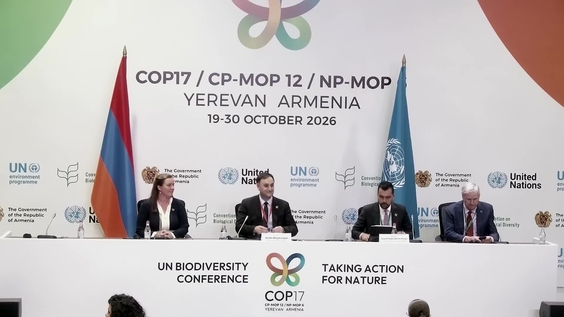
Armenia and Colombia launched the Coalition of Action to Recover Endangered Species (CARES), a government-led initiative to accelerate progress towards GBF Target 4 on preventing human-induced extinctions and recovering threatened species.
Co-chaired by both countries, CARES will strengthen cooperation, facilitate access to scientific expertise and mobilise resources. Its secretariat will be hosted by Reverse the Red, a global movement co-founded by the IUCN Species Survival Commission (SSC) and the World Association of Zoos and Aquariums (WAZA).
A stronger global standard for protected and conserved areas
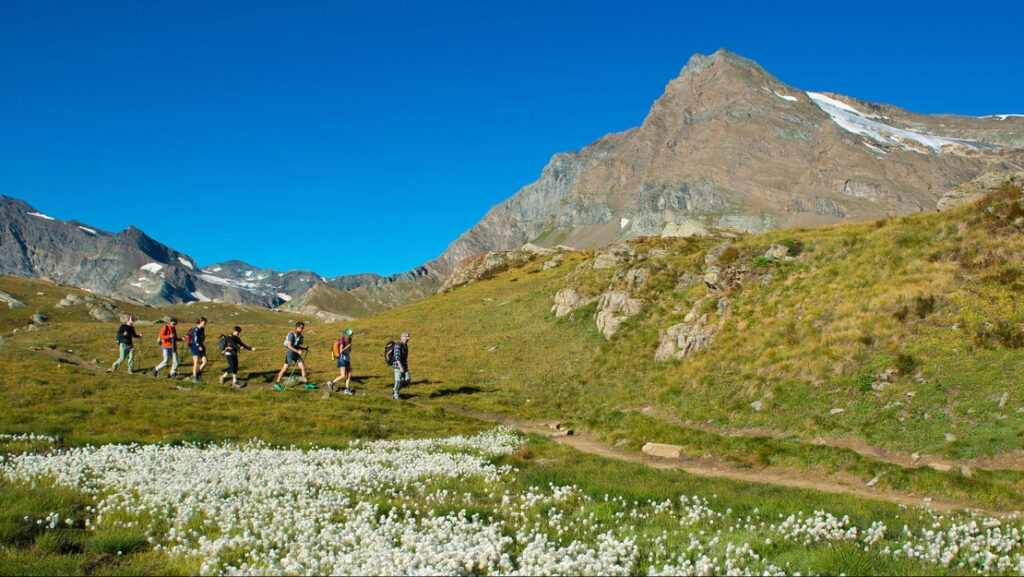
IUCN launched Version 2.0 of its Global Standard for Effective and Equitable Protected and Conserved Areas, providing updated guidance on management, governance and conservation outcomes.
Supporting GBF Target 3, the standard emphasises ecological connectivity and equitable governance, helping ensure that protected areas function as connected landscapes and that local communities participate meaningfully in their management.
IUCN warns of widespread coral reef ecosystem collapse

The first global assessment of coral reefs under the IUCN Red List of Ecosystems found that 96% of assessed shallow-water coral reef ecosystems are Critically Endangered, facing an extremely high risk of collapse within the next 50 years.
Covering 127 coral reef ecoregions, the assessment identifies climate change and marine heatwaves as the leading threats, alongside overfishing, pollution and coastal development.
First global strategy to advance fungal conservation worldwide

The first Global Strategy for Fungal Conservation seeks to address the longstanding underrepresentation of fungi in biodiversity policies, research and funding.
Developed by the Global Fungal Conservation Network, with contributions from experts including the IUCN SSC Fungal Conservation Committee, the strategy provides a framework for integrating fungi into national biodiversity plans and conservation action.
Indigenous leaders recognised for protecting primary forests
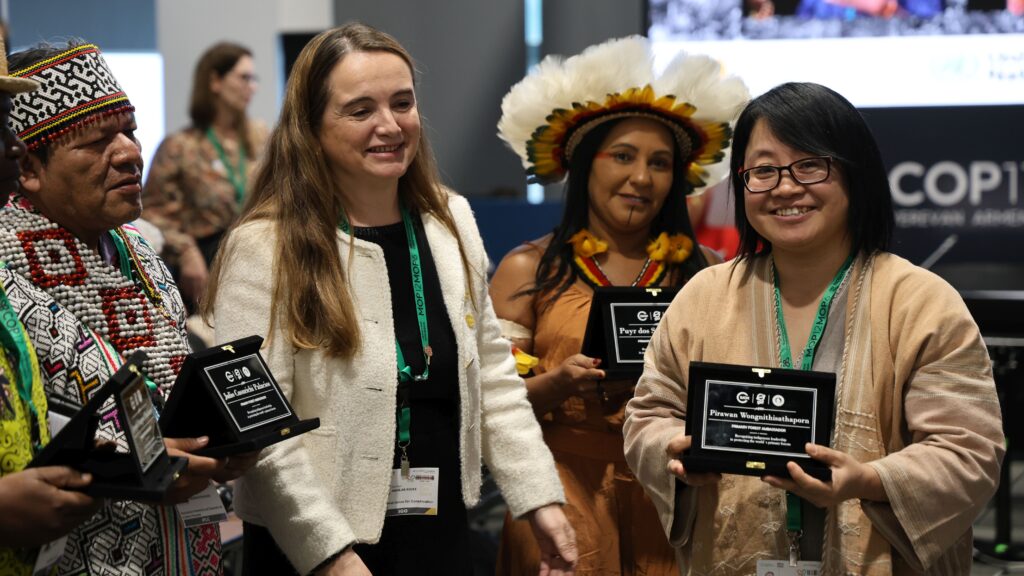
Six Indigenous leaders from Latin America, Africa and Asia have been named the first Indigenous Peoples Ambassadors for Primary Forests, recognising their leadership in protecting some of the world’s most important forest ecosystems.
The announcement highlights the essential role of Indigenous Peoples in forest conservation and the importance of recognising their knowledge, rights and leadership in biodiversity action.
From the field to COP17: Lessons from IUCN’s conservation action
Alongside these global announcements, IUCN and its partners brought experiences from conservation projects to discussions in Yerevan, focusing on habitat connectivity, human–wildlife coexistence and the long-term partnerships needed for species recovery.
Keeping tiger landscapes connected
Tigers need large, connected habitats to disperse, find mates and maintain genetic diversity. Yet their corridors increasingly intersect with farmland, settlements and infrastructure development.
At COP17, experts emphasised that effective connectivity must support gene flow between populations, rather than simply allowing occasional animal movement.
Drawing on the Integrated Tiger Habitat Conservation Programme (ITHCP), funded by the German Cooperation (BMZ) through KfW Development Bank, the discussion highlighted three priorities:
- Community participation: Local initiatives such as Bagh Mitra early-response teams help manage human–tiger interactions and involve communities in protecting corridors. Traditional knowledge, local governance and livelihood opportunities are equally important.
- Cross-border cooperation: Nepal’s tiger population has nearly tripled, supported in part by connected landscapes and cooperation with India. Joint monitoring and institutional coordination remain essential.
- Connectivity in land-use planning: Infrastructure and development decisions must account for wildlife movement before habitats become fragmented. Protecting existing corridors is often more feasible than restoring them later.
The experiences shared reinforced the importance of managing tiger landscapes beyond individual protected areas and national boundaries.
Watch the IUCN Pavilion session “Connecting tiger landscapes: securing habitat, movement and coexistence” (00:00-55:00)
Attaining human–wildlife coexistence
As wildlife populations recover and expand into shared landscapes, conservation programmes must find ways to protect species while safeguarding people’s livelihoods and safety.
Drawing on insights from ITHCP and the African Wildlife Initiative, panellists explored how the IUCN SSC Guidelines on Human–Wildlife Conflict and Coexistence can inform practical solutions.
Four lessons emerged:
- Addressing the root causes of conflict is essential. Measures such as fencing and rapid response can reduce immediate risks, but lasting coexistence requires tackling the underlying drivers of conflict, including land-use pressures, governance and inequalities in decision-making. This means moving beyond short-term mitigation towards structural changes that benefit both people and wildlife.
- Communities must shape the solutions. Fatma Kitine of the Honeyguide Foundation described a locally developed approach in Tanzania that achieved a reported 75% reduction in crop damage after one year, prompting neighbouring villages to adopt it.
- Community-based responses strengthen coexistence. In Bangladesh’s Sundarbans, Village Tiger Response Teams work with the Forest Department to manage tiger encounters, improve reporting and reduce retaliatory killing. [Learn more about the ITHCP project implemented by WildTeam]
- Financing must support long-term change. Sustainable coexistence requires investment in solutions that address the economic drivers of conflict, including the costs of transitioning towards wildlife-compatible land use and livelihoods. Panellists highlighted the potential of outcome-based financing to mobilise resources and reward measurable social and ecological benefits.
These lessons reinforce the need to integrate coexistence into conservation planning from the outset, addressing the underlying causes of conflict while involving communities in decisions that affect their lives and livelihoods.
Watch the IUCN Pavilion session “Turning guidance into practice: scaling human–wildlife coexistence capacities across carnivore rangelands” (05:48-07:03)
Securing a future for sturgeons
Sturgeons are among the world’s most threatened groups of species. Their long lifespans, late maturity and dependence on connected river systems make recovery particularly challenging.
At a Foundation for the Preservation of Wildlife and Cultural Assets (FPWC) Pavilion event, partners reflected on the SOS Sturgeons initiative, which has supported conservation in Romania’s Lower Danube and Georgia’s Rioni River.
The initiative has helped secure genetic resources for future conservation and reintroduction efforts, strengthen scientific and monitoring capacity, and improve engagement with fishing communities, including reporting and local stewardship.
These achievements provide a foundation for continued recovery efforts. However, long-term progress will depend on sustained investment, healthier and better-connected rivers, effective enforcement against illegal fishing, reduced bycatch and cooperation among researchers, governments, fishing communities, civil society and businesses.
A new global strategy to tackle invasive alien species
From disrupting ecosystems to driving native species towards extinction, invasive alien species are among the most serious threats to biodiversity worldwide. They have contributed to more than 60% of documented global extinctions, with consequences extending to livelihoods, economies and human health. More than 3,500 invasive alien species have been recorded globally, and climate change is creating new opportunities for their spread.
To address this growing threat, IUCN has launched its Union Strategy to Scale Up Action on Invasive Alien Species, setting out a ten-year roadmap for coordinated global action.
Bringing together IUCN Members, Commissions and the Secretariat, the strategy focuses on four priorities: making scientific knowledge and tools more accessible, strengthening capacity, expanding prevention, eradication and management efforts, and securing sustainable financing.
IUCN Save Our Species is already supporting action across several of these areas.
- In Europe, the EU Invasive Alien Species Rapid-Response Fund supports early interventions against newly detected invasive species, helping prevent their establishment and avoid greater ecological and financial costs. [Learn more]
- In Africa, projects under the African Wildlife Initiative have addressed established invasive species through habitat restoration, biological control, vegetation removal and community engagement. [Read the case studies]
Together, these efforts highlight a central message of the new strategy: acting early can prevent lasting damage, while sustained management and restoration remain essential where invasive species are already established.
Watch the launch of the strategy at the IUCN Pavilion session (04:40-05:35)
Securing a future for sturgeons
Sturgeons are among the world’s most threatened groups of species. Their long lifespans, late maturity and dependence on connected river systems make recovery particularly challenging.
At a FPWC Pavilion event, partners reflected on the SOS Sturgeons initiative, which has supported conservation in Romania’s Lower Danube and Georgia’s Rioni River.
The initiative has helped secure genetic resources for future conservation and reintroduction efforts, strengthen scientific and monitoring capacity, and improve engagement with fishing communities, including reporting and local stewardship.
These achievements provide a foundation for continued recovery efforts. However, long-term progress will depend on sustained investment, healthier and better-connected rivers, effective enforcement against illegal fishing, reduced bycatch and cooperation among researchers, governments, fishing communities, civil society and businesses.
Turning biodiversity commitments into species recovery
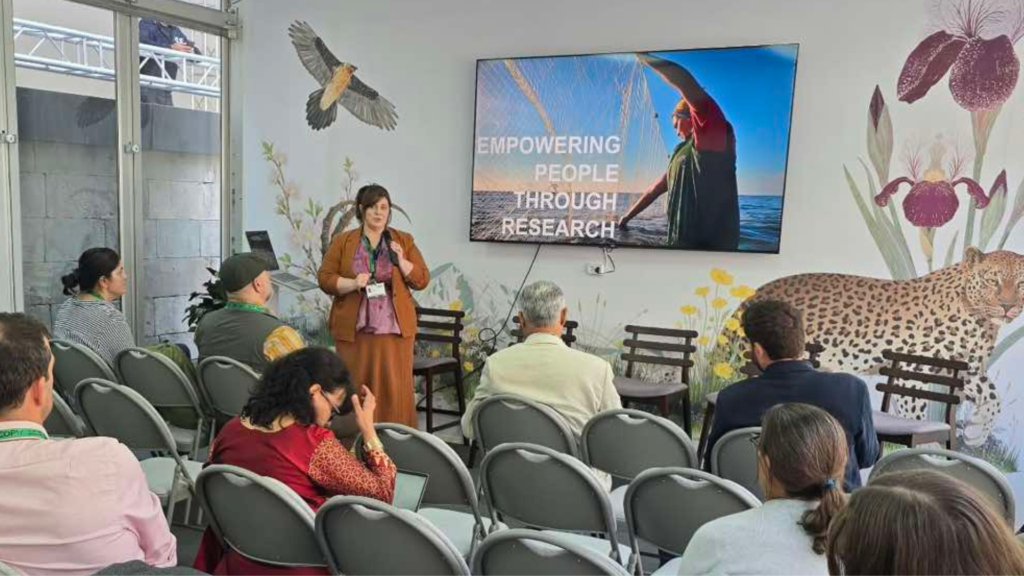
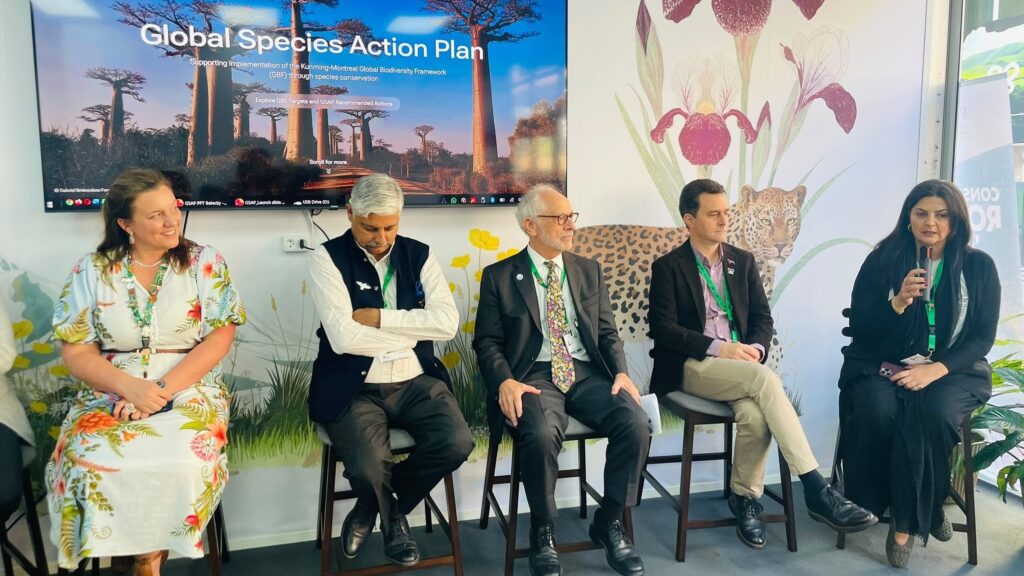
The Global Species Action Plan (GSAP) provides a roadmap for achieving species conservation outcomes under the Kunming–Montreal Global Biodiversity Framework.
At COP17, a session at the FPWC Pavilion explored how GSAP and its online GSAP SKILLS platform can support implementation through practical guidance, scientific tools and case studies.
Discussions emphasised the need to address species-specific threats, strengthen national capacity and expand conservation efforts to overlooked groups such as plants, fungi and invertebrates. Experts also highlighted the importance of measuring recovery beyond population numbers, including the restoration of species’ ecological roles, with the IUCN Green Status of Species offering a framework for assessing progress.
Looking ahead: Delivering on COP17 commitments
As COP17 draws to a close, the challenge is to turn the momentum generated in Yerevan into lasting conservation results.
The conference has brought significant funding pledges, new partnerships and practical strategies, alongside evidence of the challenges still facing threatened species. The experiences shared by IUCN and its partners show how scientific expertise, local knowledge and cooperation can help address these challenges in different landscapes.
With four years remaining until 2030, the measure of progress will be what happens next: whether commitments lead to effective action, threats are reduced and more species move towards recovery.