Strengthening community-led tiger conservation in the Sundarbans Delta
Project description
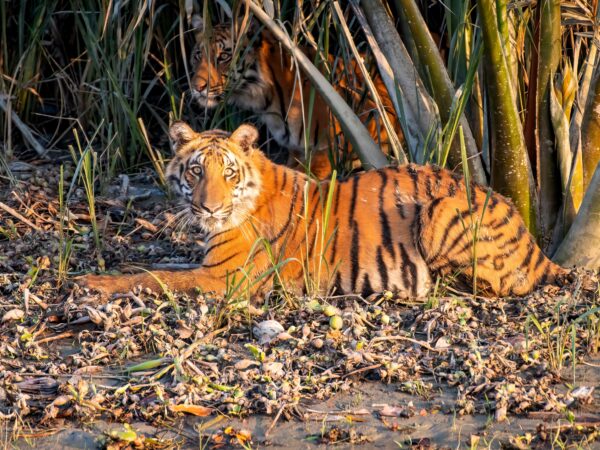
The Bangladesh Sundarbans, part of the world’s largest mangrove forest, provides critical habitat for the Endangered Bengal tiger and supports communities whose lives and livelihoods are closely connected to the forest and its natural resources. Living alongside tigers, however, can bring significant risks, particularly for communities bordering the forest and for people who enter the Sundarbans to collect fish, honey, fuelwood and other resources. Human–tiger conflict can result in loss of life and livelihoods, while also undermining local support for tiger conservation.
Threats

Human-wildlife conflict

Over-exploitation of natural resources & prey depletion

Poaching
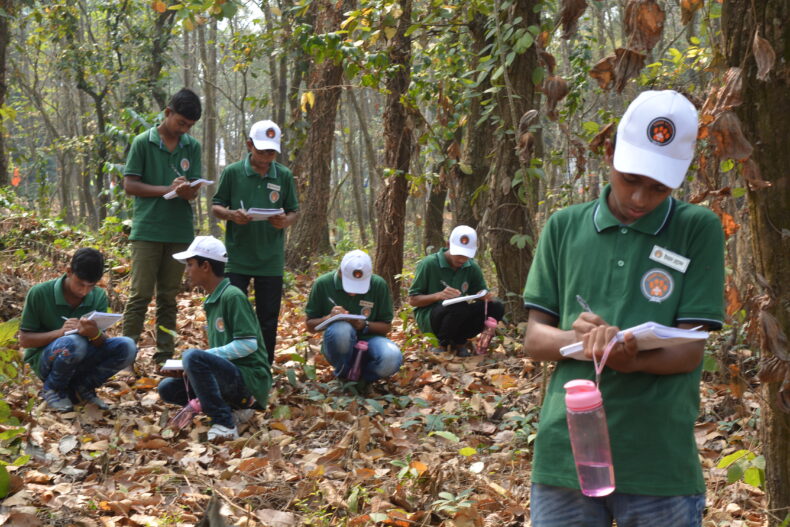
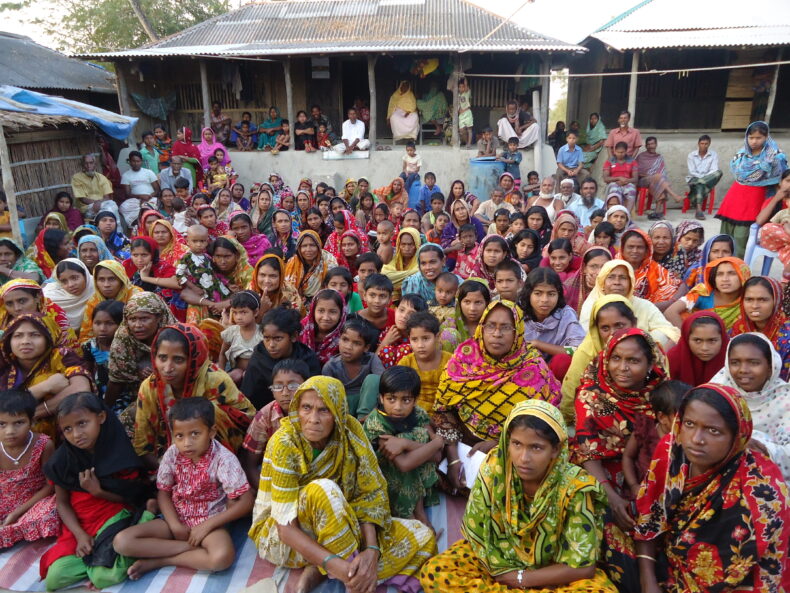
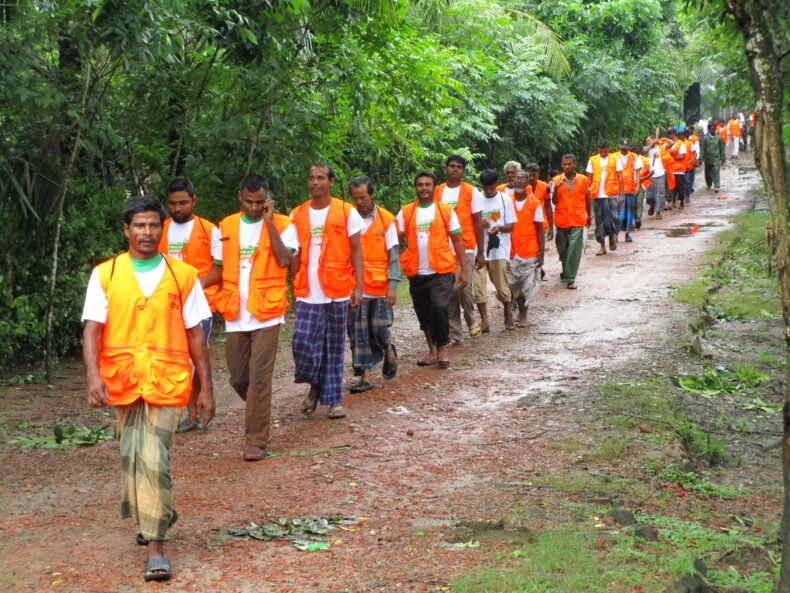
This project aims to strengthen coexistence between people and tigers by combining practical conflict-prevention measures with stronger community-based response systems, improved safety for forest resource collectors and sustained community engagement. Working closely with the Bangladesh Forest Department and local communities, the project will strengthen rapid responses to tiger incursions and wildlife emergencies, introduce measures to reduce the risk of tigers entering settlements and improve the safety of people whose livelihoods depend on the Sundarbans. It will also promote more sustainable resource use and engage communities and young people in tiger conservation, helping to reduce pressure on tiger habitat and build long-term local stewardship of the Sundarbans.
This project is implemented by WildTeam.
Project objectives
The project aims to reduce human–tiger conflict and its social and economic impacts while improving the safety of communities living in and around the Sundarbans. It will strengthen community-based conflict prevention and response systems and improve coordination with the Bangladesh Forest Department, enabling faster and more effective responses to tiger incursions and other wildlife emergencies while reducing the risk of retaliatory killing.
The project will also improve the safety of people who depend on the Sundarbans for their livelihoods and promote practices that reduce unsustainable pressure on forest resources and critical tiger habitat. Through conservation education, youth engagement and community-led initiatives, it will build greater awareness and local stewardship of tigers and the wider Sundarbans ecosystem. By strengthening technical capacity, coordination and local ownership of conflict mitigation measures, the project will help establish systems that can continue beyond the project period and contribute to the long-term recovery of the Sundarbans tiger population.
Project activities
- Install solar streetlights in areas particularly prone to human–tiger conflict and assess their effectiveness in reducing tiger incursions into settlements.
- Provide 200 households in focal villages with improved cookstoves to reduce fuelwood consumption and pressure on the Sundarbans.
- Strengthen community engagement in tiger conservation by mobilising BaghBandhu groups and TigerScouts and supporting activities through Sundarbans Education Centres.
- Equip and mobilise Village Tiger Response Teams to support the Bangladesh Forest Department in responding rapidly and safely to tiger incursions and other wildlife emergencies.
- Provide 200 forest resource collectors with safety training and equipment to reduce risks while working in the Sundarbans.
- Procure and operationalise a high-speed boat for the Forest Tiger Response Team to strengthen emergency response and support victims of tiger attacks.