Across Asia, the future of tigers is being determined in landscapes where forests, communities and their livelihoods are interconnected. Securing remaining tiger populations is essential, but long-term survival depends on whether these wider landscapes can sustain ecological connectivity, viable prey populations and coexistence with people.
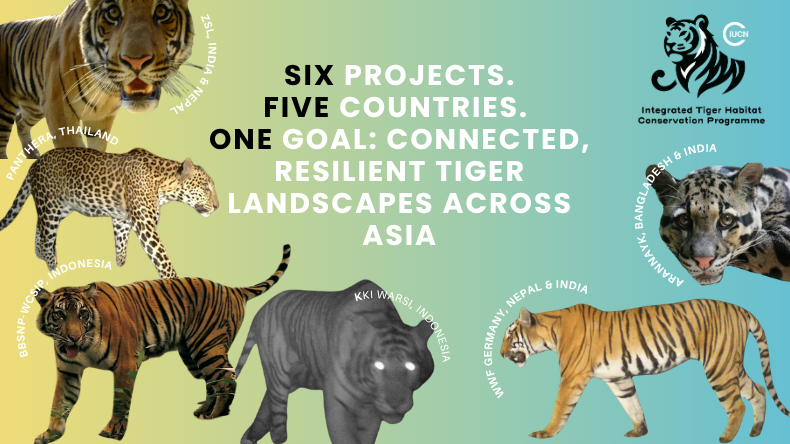
Six projects supported under Phase IV of the Integrated Tiger Habitat Conservation Programme (ITHCP), running from 2025 to 2028, are working across priority habitats in Indonesia, Thailand, India, Nepal and Bangladesh to address these challenges at scale.
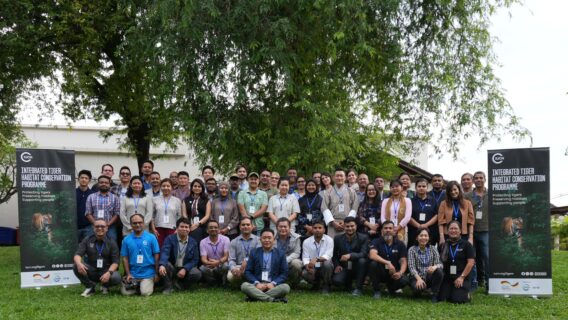
ITHCP is IUCN’s flagship tiger conservation programme, supporting landscape-level action across Asia through locally led initiatives. Funded by the German Cooperation (BMZ) through KfW Development Bank, the programme combines habitat protection, community engagement and institutional strengthening to contribute to long-term tiger recovery across the species’ range.
Where conservation meets everyday livelihoods
In southern Sumatra, Indonesia, efforts to protect tigers are closely tied to how land is managed beyond park boundaries.
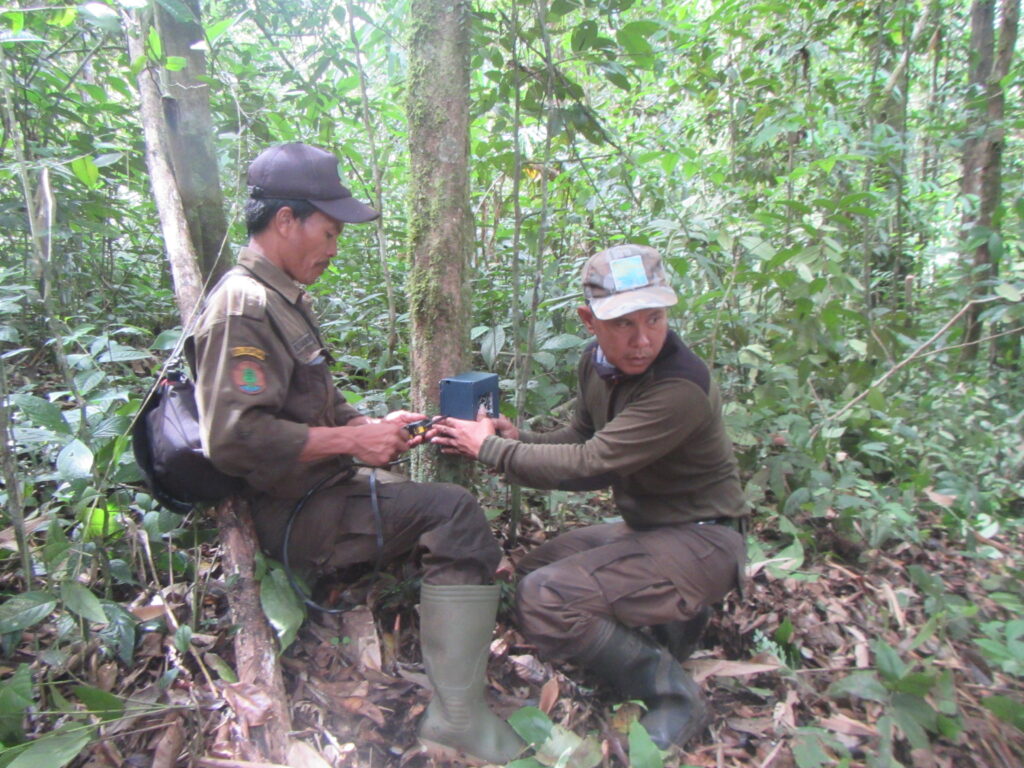
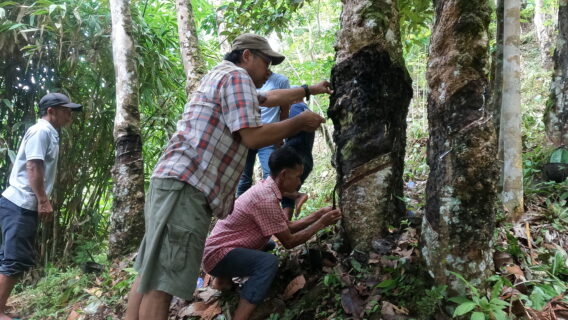
In Bukit Barisan Selatan National Park, Wildlife Conservation Society (WCS) Indonesia is working with park authorities and around 900 local coffee farmers to maintain stable tiger populations across more than 170,000 hectares. Improved patrol systems help secure core areas, while agroforestry practices in buffer zones maintain tree cover, improve incomes and reduce pressure on the forest.
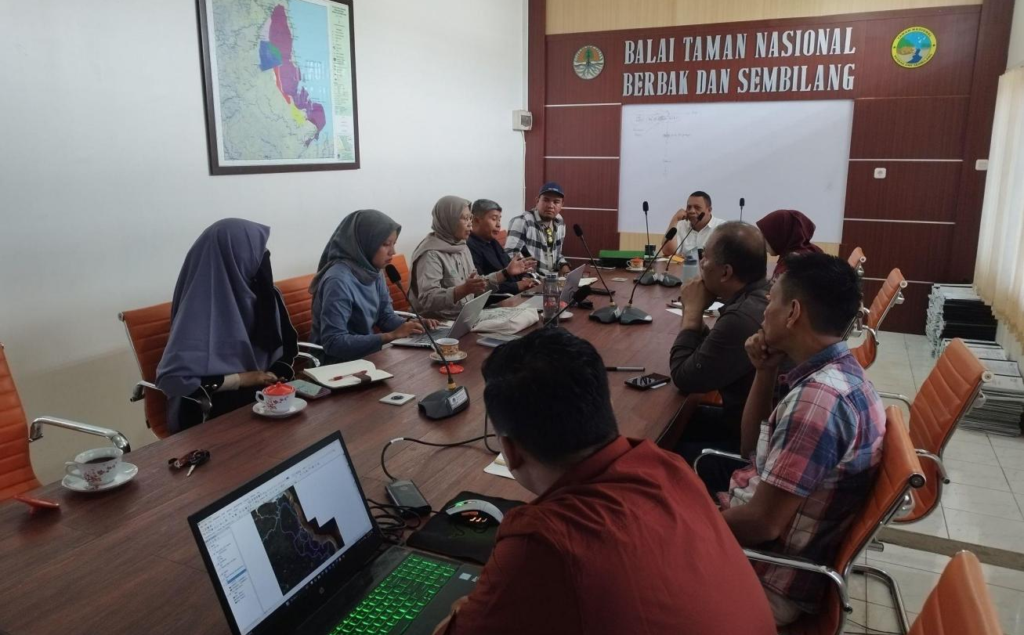
In the Berbak-Sembilang Landscape, Komunitas Konservasi Indonesia Warsi (KKI Warsi) is working across peat swamps, mangroves and lowland forests that support a small but critical tiger population. Restoration of degraded areas, fire prevention and anti-poaching efforts are combined with social forestry and small-scale enterprises across 12 villages, with communities actively managing and benefiting from the landscape.
Keeping landscapes connected
For tigers, survival depends on movement and access to prey, territory and breeding opportunities across large areas.
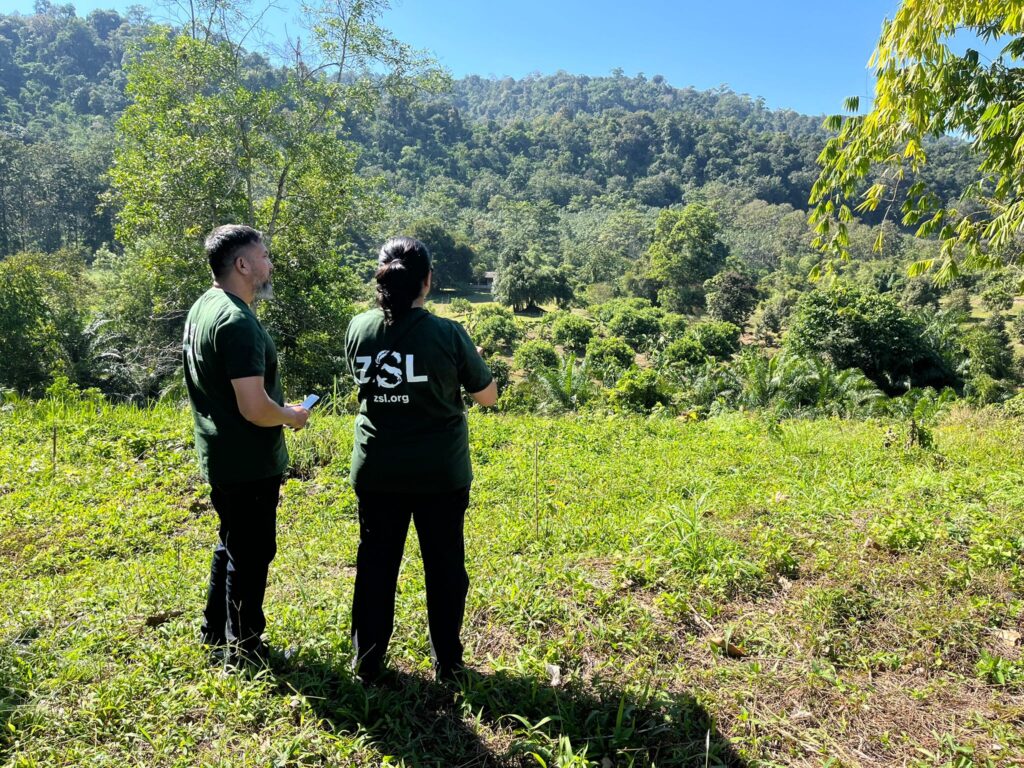
In the Terai Arc Landscape of India and Nepal, the Zoological Society of London is supporting work in the Kamdi–Suhelwa corridor to reduce conflict between people and large carnivores, restore habitats and improve how natural resources are used. Monitoring of tiger and prey populations is helping guide these efforts and track changes over time.
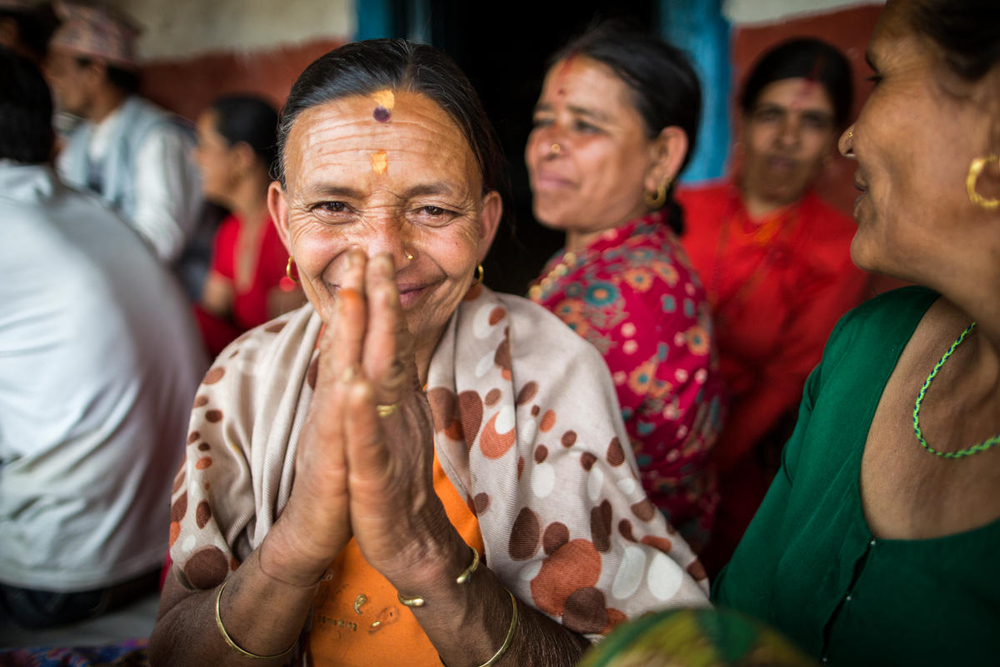
In the Khata–Basanta–Dudhwa complex, WWF Germany, in collaboration with WWF Nepal and WWF India, is strengthening cooperation across borders to maintain ecological corridors that enable wildlife movement. Anti-poaching efforts, support to communities affected by human–wildlife conflict and targeted habitat management are helping ensure that tigers can move safely across nearly 6,000 km² of shared habitat.
Expanding recovery beyond protected areas
In Thailand’s Western Forest Complex, one of Southeast Asia’s most important strongholds for big cats, conservation efforts are expanding beyond core protected areas to support recovery across a wider landscape.
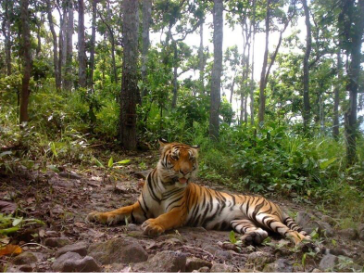
Panthera and WWF Thailand are focusing on improving conditions across a wider landscape of more than 1.2 million hectares. Efforts include improving livestock management practices, strengthening protected area management and supporting wildlife-friendly livelihoods, creating space for tiger populations to stabilise and expand.
A transboundary approach to big cat conservation
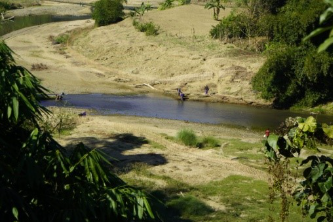
Across the Chittagong–Lushai transboundary landscape of Bangladesh and India, Arannayk Foundation is leading a project focused on conserving clouded leopards and leopards, alongside broader ecosystem recovery.
Scientific monitoring is improving understanding of species and habitats, while restoration work and community-led initiatives are addressing pressures on forests. Coordination across borders is central to the approach, reflecting the ecological reality of the landscape.
What this looks like in practice
Across these efforts, a consistent direction is emerging. Conservation is being implemented at the scale required by species, while remaining grounded in local economies and governance systems.
This means strengthening protection where it matters most, restoring habitats where they have been degraded and working with communities to reduce risk and improve livelihoods. It also means closer coordination between institutions, particularly where ecosystems extend across national boundaries.
Learn more about ITHCP: