What works in conservation? New study identifies the approaches delivering the strongest results for Africa’s wildlife
Conservationists often know what they are doing, but far less often do they know which actions deliver the greatest impact. A new case study released today by the International Union for Conservation of Nature (IUCN) helps answer that question, drawing on evidence from 91 conservation projects across Africa to identify the approaches most effective at protecting species, restoring habitats and supporting communities.
The publication An assessment of the conservation effectiveness of species, habitat and community livelihood approaches is the second in a series documenting lessons and results from the IUCN Save Our Species African Wildlife Initiative (SOS AWI). Drawing on two independent programme-level assessments and evidence gathered across 31 African countries, the case study examines the effectiveness of conservation approaches used to address biodiversity loss across a portfolio of 91 projects. The review provides insights into how species-focused, habitat-based and community livelihood interventions contribute to conservation outcomes.
Direct action delivers the fastest results
Among the clearest findings is that interventions targeting immediate threats consistently produced the strongest and most measurable outcomes.
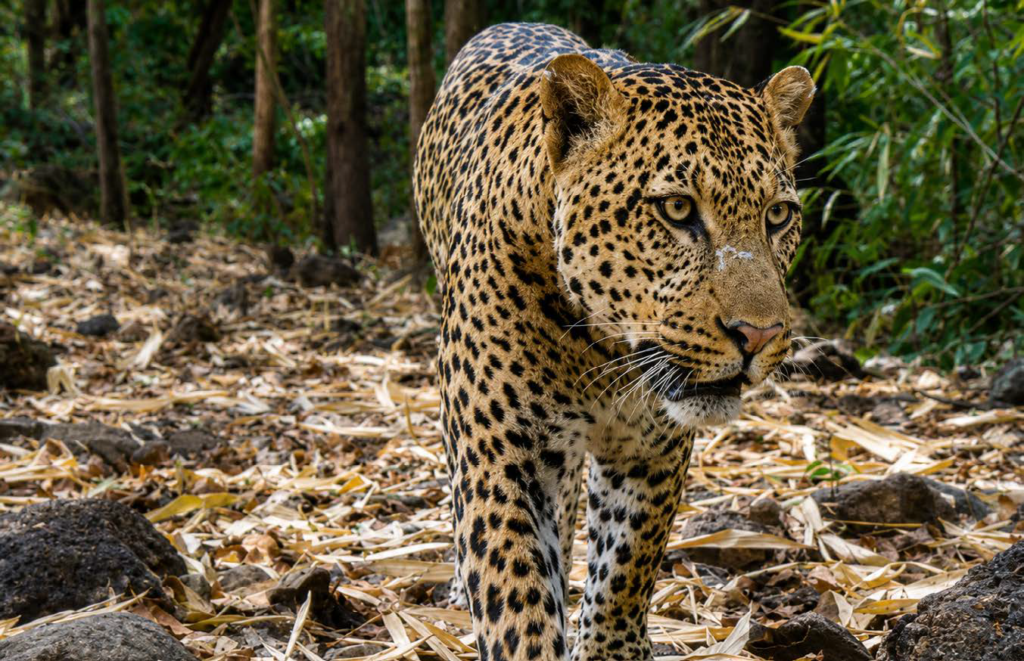
Across the SOS AWI portfolio of projects implemented over eight years (2017–2025), anti-poaching patrols removed more than 4,800 snares, covered over 260,000 kilometres and led to more than 260 arrests. Veterinary interventions treated injured wildlife and reduced disease risks, while livestock protection measures helped lower predation and retaliatory killings, improving coexistence between people and carnivores.
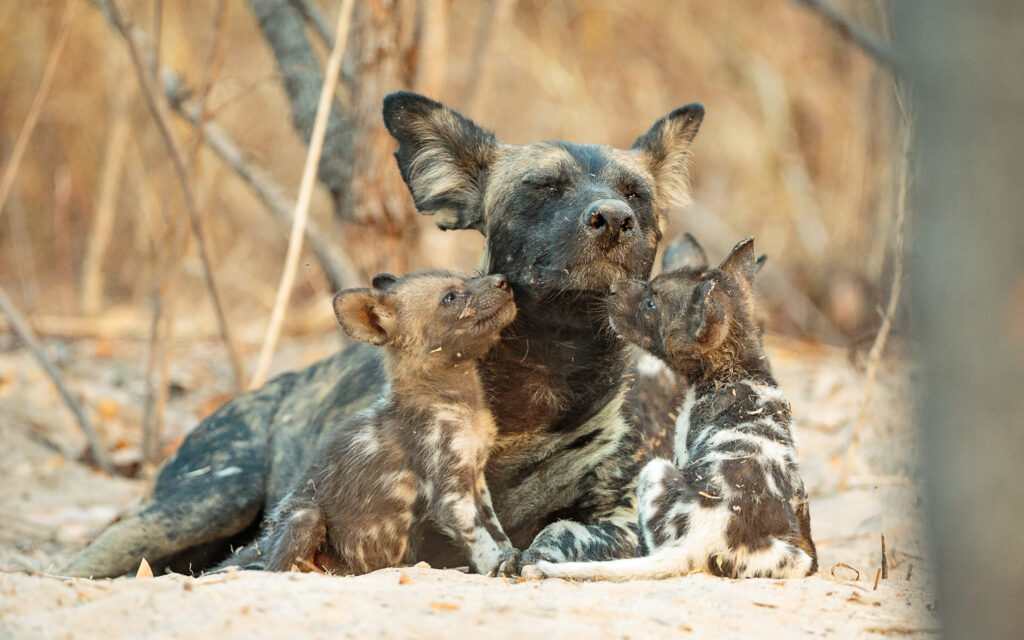
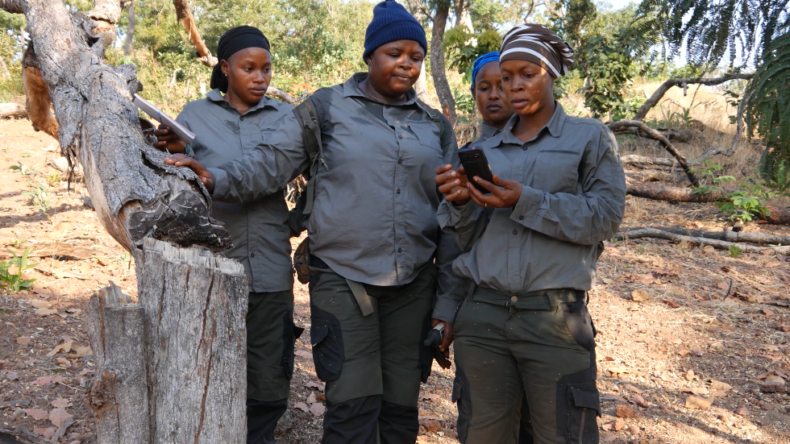
In Zambia, a project led by the Zambian Carnivore Programme expanded anti-poaching capacity through community scout networks and specialised canine units. Between 2018 and 2021, wildlife crime arrests doubled, annual patrol coverage increased by more than 240% and nearly 900 snares were recovered in a single year.
The study found that these approaches were particularly effective because they directly addressed the threats driving species declines, with measurable outcomes typically emerging within one to two years of implementation.
Healthy habitats remain essential
While species-focused interventions generated the most immediate outcomes, the assessment highlights that long-term conservation success depends on maintaining healthy and connected ecosystems.
Across the portfolio, projects restored nearly 989,400 hectares of habitat, removed invasive species from more than 7,200 hectares and improved management across 39 million hectares of land.
In Guinea, a project led by the Wild Chimpanzee Foundation strengthened the management and protection of critical chimpanzee habitat while supporting the conservation of a wider forest landscape. Through improved land-use planning, community engagement and habitat management measures, the project helped safeguard important ecological corridors and reduce pressures on biodiversity.
The study notes that habitat restoration often requires longer timeframes than species protection interventions, but provides the ecological foundation upon which lasting species recovery depends.
Communities are central to conservation success
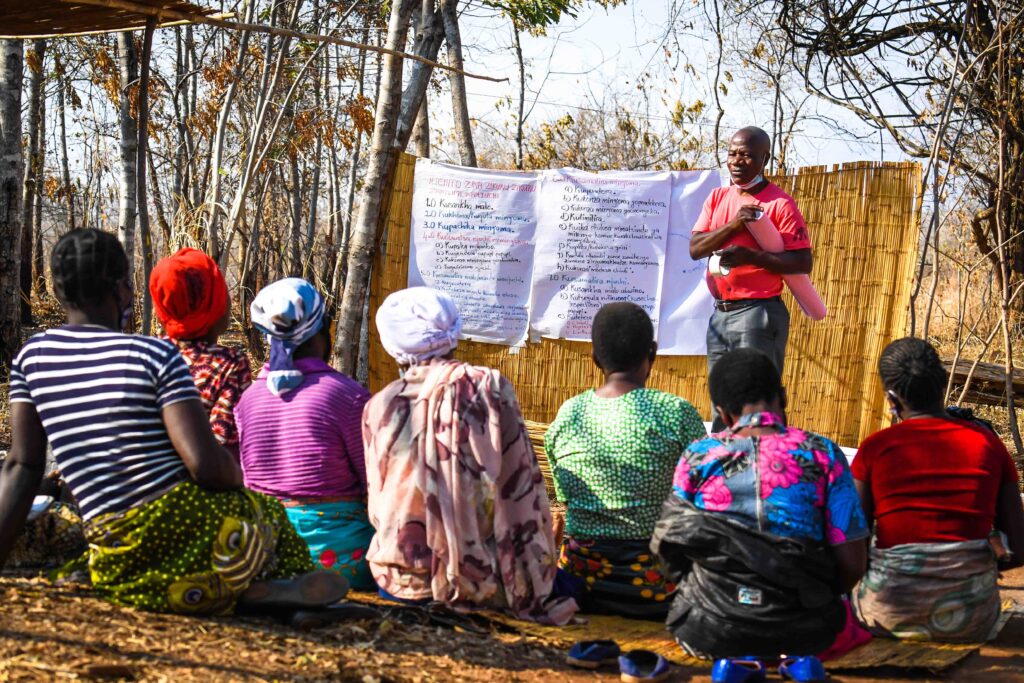
Another consistent finding is that conservation outcomes were strongest when local communities played an active role in implementation and decision-making.
Projects supported through SOS AWI trained more than 44,000 people, reached over 665,000 people through awareness activities and supported a wide range of livelihood and capacity-building initiatives.
However, the assessment found that the most effective livelihood interventions were not necessarily those introducing entirely new income sources. Instead, approaches that strengthened existing livelihoods, reduced economic vulnerability and addressed the direct costs of living alongside wildlife tended to generate the strongest conservation outcomes.
Across multiple landscapes, measures such as improved livestock protection, veterinary support, community ranger programmes and local governance structures helped build support for conservation while reducing pressures on wildlife.
Integrated approaches deliver the strongest outcomes solution
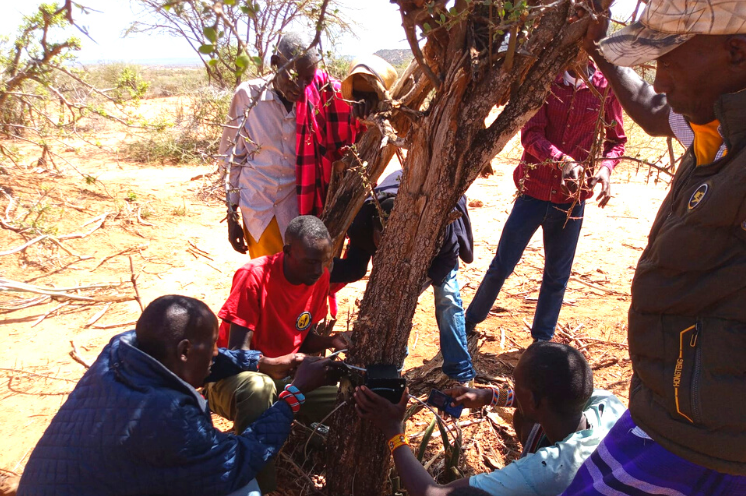
The case study shows that conservation outcomes improve when different approaches are integrated and implemented together.
Projects combining species protection, habitat management and community engagement consistently delivered stronger and more sustainable outcomes than those relying on a single intervention. Strong governance, local stewardship and long-term investment also emerged as critical factors underpinning success.
The findings reinforce a growing consensus within the conservation sector that biodiversity loss cannot be addressed through isolated actions alone, but requires integrated approaches that recognise the connections between people, species and ecosystems.
Building the evidence base for conservation
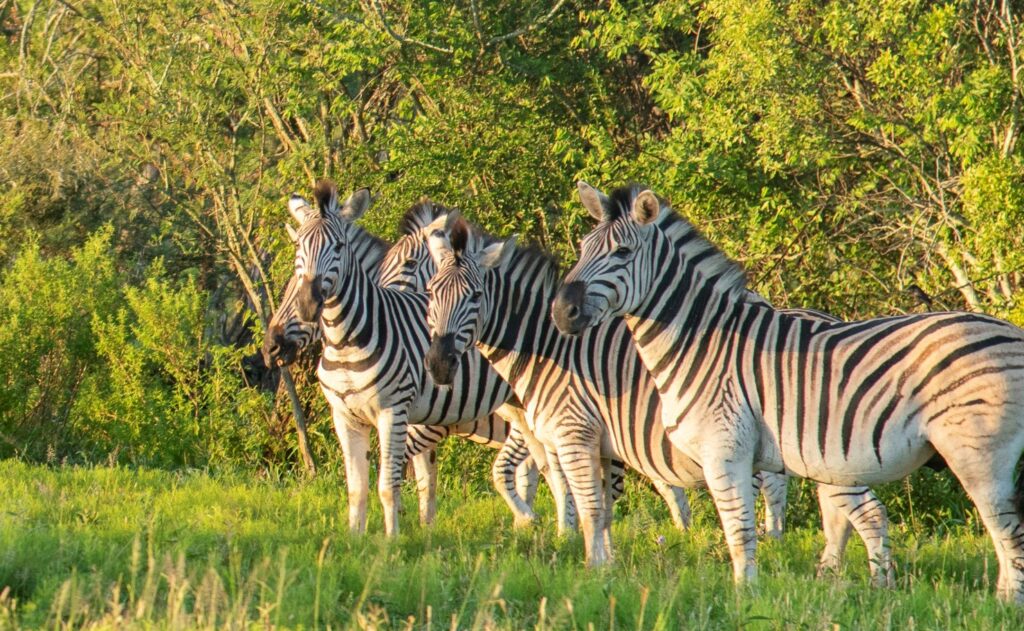
Launched in 2017 with support from the European Union, the SOS African Wildlife Initiative has channelled more than €10.8 million through 91 grants across Africa, supporting threatened species conservation, habitat management and local conservation leadership.
This report is the second of three thematic studies examining lessons from the initiative and follows the case study on invasive alien species management. A forthcoming case study on human–wildlife coexistence will complete the series ahead of a major synthesis publication later this year, Safeguarding Africa’s wildlife: Lessons and results from the IUCN SOS African Wildlife Initiative (2017–2025).
At a time when governments, funders and conservation organisations are seeking effective solutions to halt biodiversity loss, the findings offer valuable evidence on what works in practice, and why.
By bringing together lessons from nearly a decade of conservation action, the case study provides a roadmap for designing more effective, resilient and scalable conservation programmes across Africa and beyond.
Find our more about the African Wildlife Initiative