Building on progress: Three new projects strengthen tiger conservation and coexistence across Asia
Three tiger conservation projects in Bangladesh, India and Indonesia are building on years of work to address two challenges that remain central to tiger conservation: enabling people and tigers to live safely alongside one another and reducing pressures on tiger populations and their habitats
With new support through IUCN’s Integrated Tiger Habitat Conservation Programme (ITHCP), partners will continue and strengthen conservation efforts developed over several years in these landscapes.
The three small grants, running from 2026 to 2028, follow earlier ITHCP investments and will support Wildlife Trust of India (WTI), WildTeam in Bangladesh and YAPEKA in Indonesia. Each organisation will build on existing partnerships, community networks and conservation measures, while addressing priorities that have emerged through their previous work.
In the Sundarbans, the emphasis will be on preventing and responding to human-tiger conflict. In Indonesia, improved monitoring and protection will be combined with efforts to strengthen community livelihoods.
Making coexistence safer in the Sundarbans
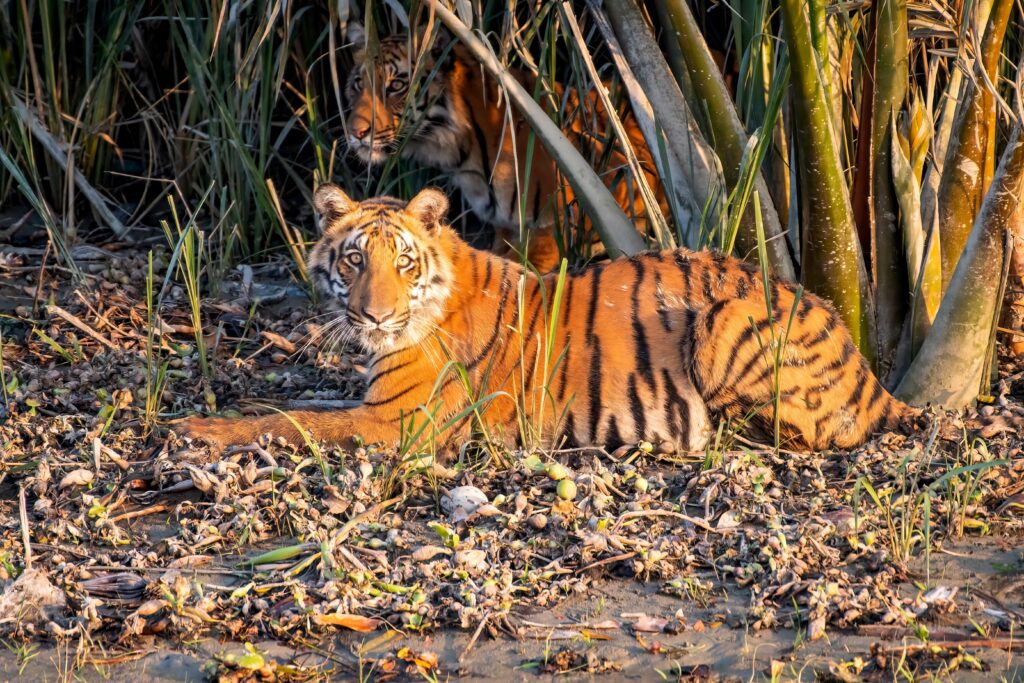
The Sundarbans, shared by Bangladesh and India, are home to one of the world’s most distinctive Bengal tiger populations. They are also home to millions of people, many of whom depend directly on the mangrove ecosystem and its natural resources.
For communities living close to the forest, encounters with tigers are a serious concern. Tigers can occasionally enter settlements, while fishers, honey collectors and others who enter the forest for their livelihoods risk encountering them there.
In Bangladesh, WildTeam will continue working with local communities and the Bangladesh Forest Department to improve safety and strengthen the systems already in place to respond to tiger incursions.
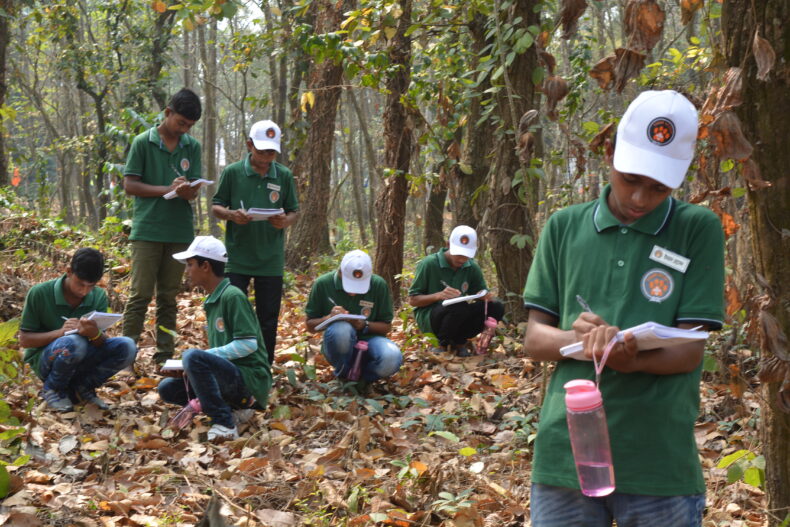
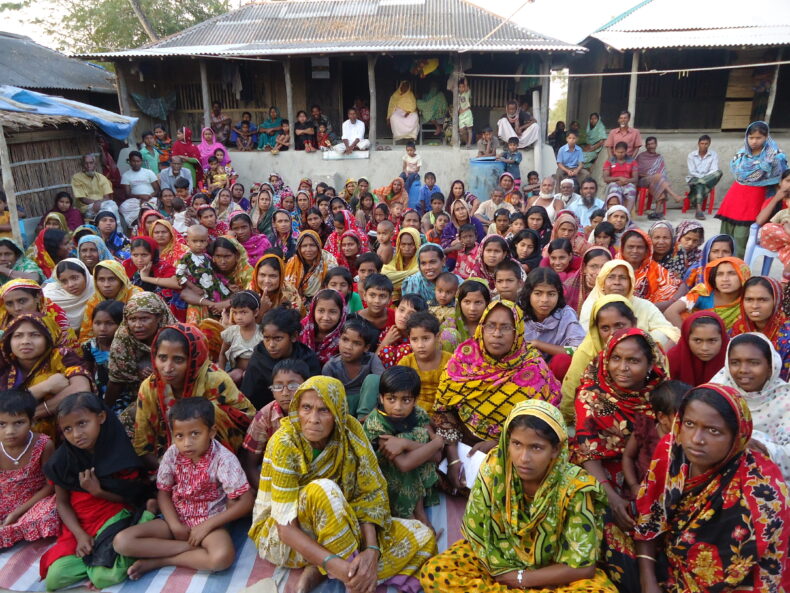
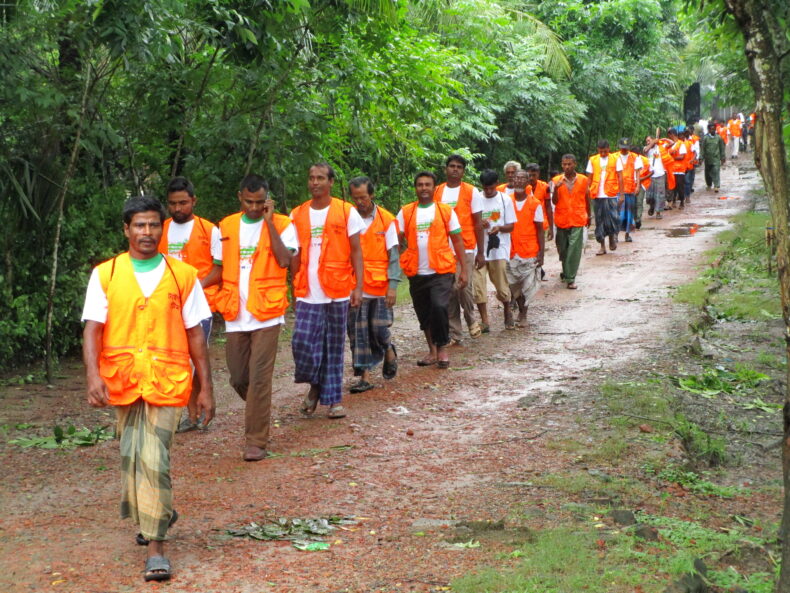
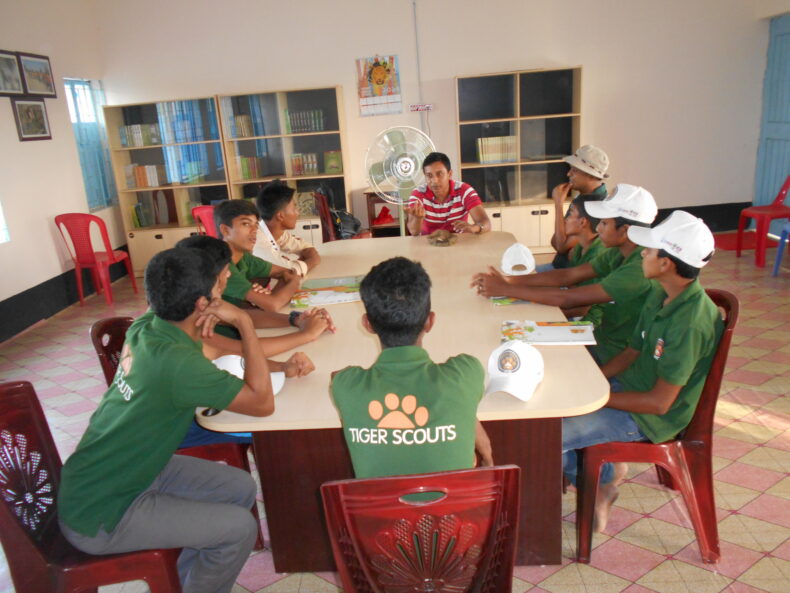
Village Tiger Response Teams will be equipped and mobilised to assist the Forest Department during wildlife emergencies. The project will also continue engaging BaghBandhu community groups and TigerScouts, a youth initiative that engages local students as ambassadors for tiger and Sundarbans conservation. Together, these initiatives help maintain a strong network of local people involved in tiger conservation.
Building on measures introduced during the previous phase, solar streetlights will continue to be installed in areas with a high risk of human-tiger conflict and their effectiveness in deterring tiger incursions will be assessed. A high-speed boat will improve the Forest Tiger Response Team’s ability to respond to emergencies, while 200 forest resource collectors will receive safety training and equipment.
The project will also provide improved cookstoves to 200 households, reducing the amount of fuelwood families need to collect and helping ease pressure on the Sundarbans.
Similar work will continue on the Indian side of the landscape, where Wildlife Trust of India (WTI) is strengthening human–tiger coexistence in Kultali Block.
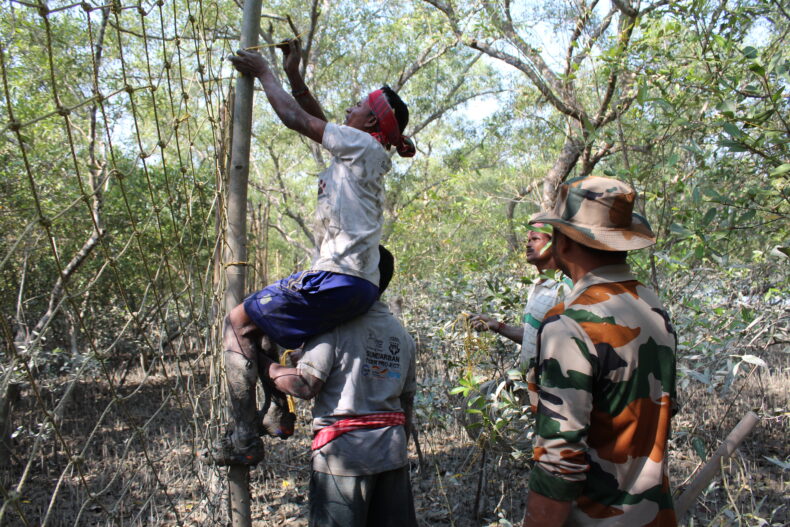
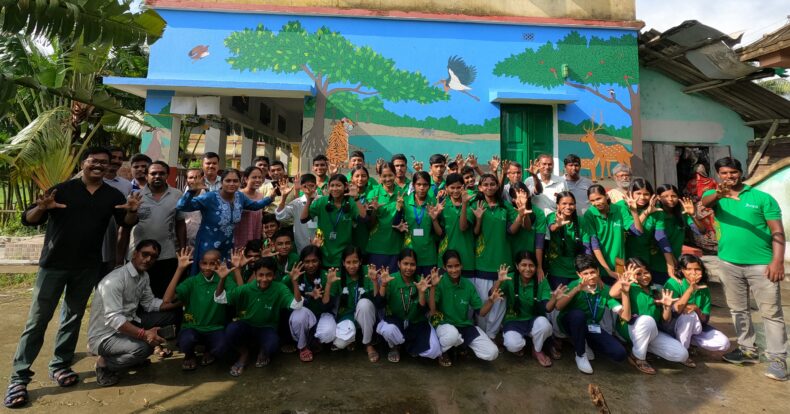

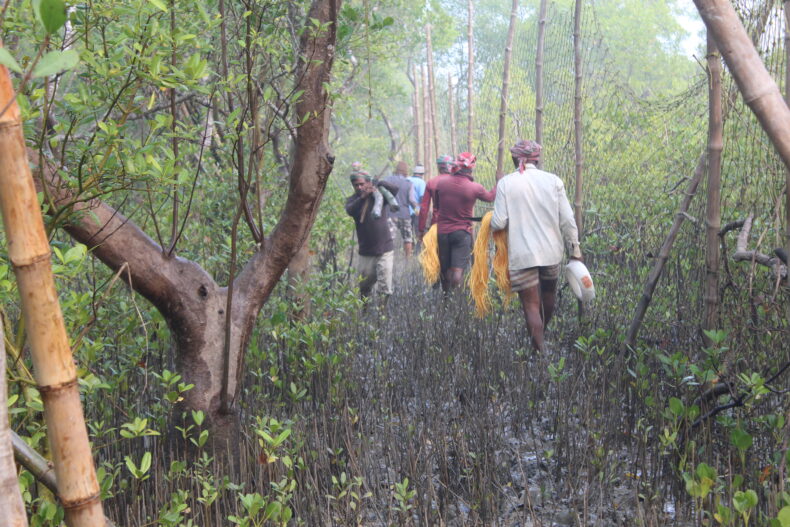
Community-based Primary Response Teams are central to the approach. Working with the Forest Department, these teams help manage tiger incursions and reduce risks to people and wildlife. Under the new project, the teams will receive further training and support, and at least half of their members will be women.
WTI will also identify areas where incursions occur most frequently and introduce targeted measures to prevent them. Depending on local conditions, these could include nylon net fencing, illuminated barriers, AI-enabled camera traps and early warning systems. Dedicated boat patrols will support rapid deployment when incidents occur.
Monitoring will be used to assess which measures work best and to strengthen local human-tiger conflict management plans over the course of the project.
Better information and stronger livelihoods in Sumatra
In Indonesia, YAPEKA will continue its work in Rimbang Baling Wildlife Reserve, an important stronghold for the Critically Endangered Sumatran tiger.
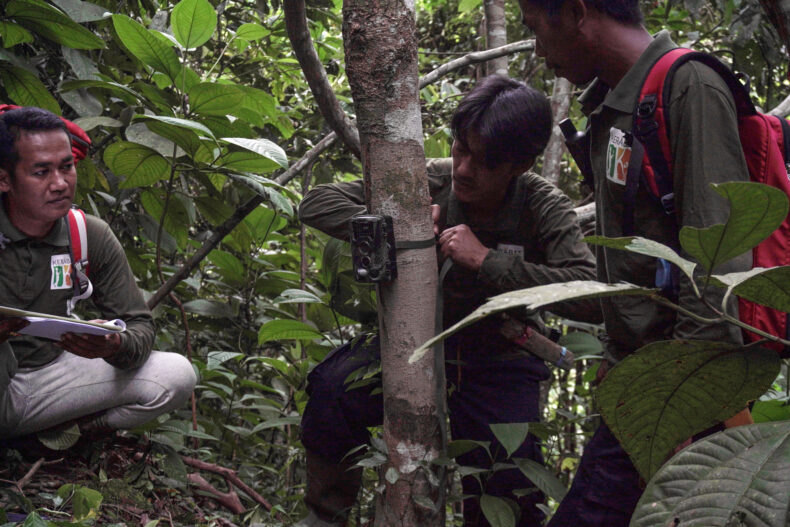
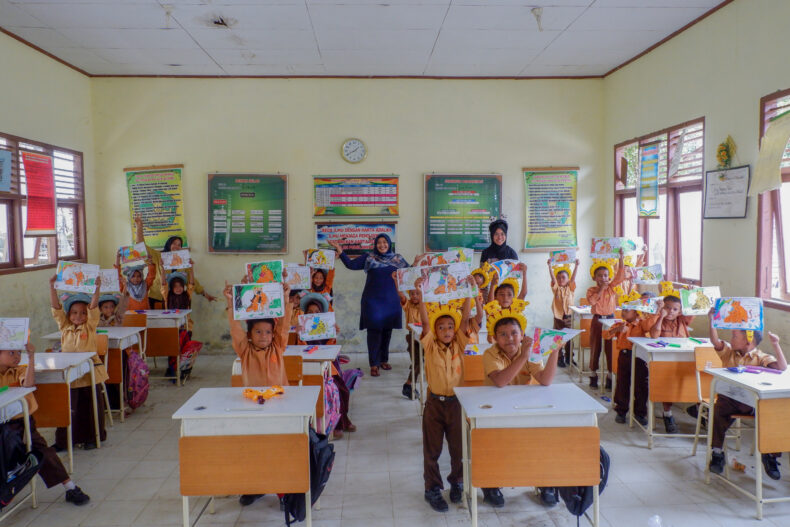
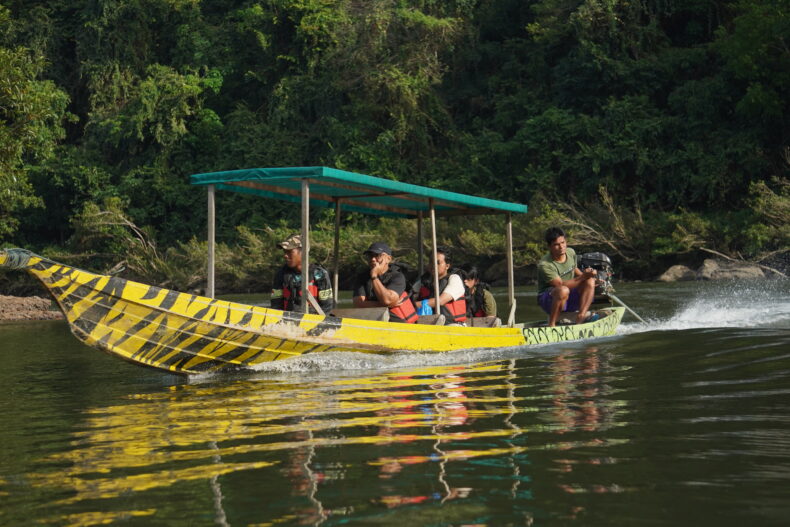
Poaching, habitat degradation and declining prey populations continue to put pressure on tigers in the reserve. Reliable information on tiger and prey populations is therefore essential for deciding where conservation resources are most needed.
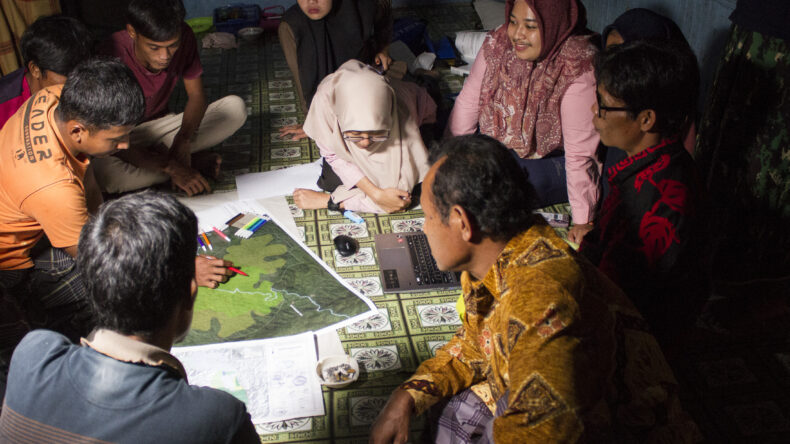
Through the new RIMBA TIGER project – Rimbang Baling Integrated Monitoring, Biodiversity Protection, and Community Livelihoods for Tiger Conservation, YAPEKA will carry out systematic camera-trap surveys and community-based SMART patrols. The patrols will record wildlife and threats across the reserve, helping conservation teams and authorities strengthen protection in priority areas.
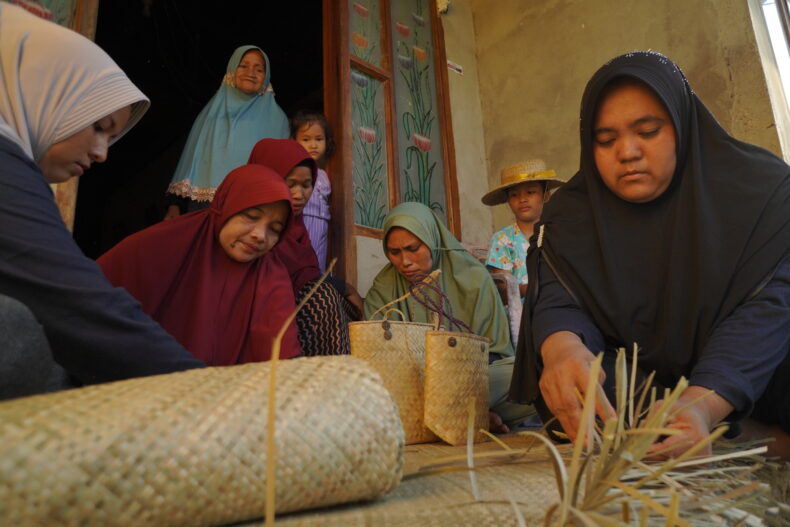
The project will also continue developing community-based ecotourism around the reserve. YAPEKA will work with local communities to improve the management and promotion of tourism activities and strengthen their commercial viability.
The aim is to create more sustainable sources of income linked to the conservation of the landscape, while reducing dependence on activities that place additional pressure on forests and wildlife.
Sustaining progress in tiger landscapes
IUCN’s continued support for these three projects reflects the importance of sustained conservation efforts in achieving lasting results. Previous ITHCP support has helped establish community response teams, monitoring systems, partnerships with government authorities and livelihood initiatives in these landscapes. The new projects give partners an opportunity to consolidate that work, address remaining gaps and apply what they have learned.
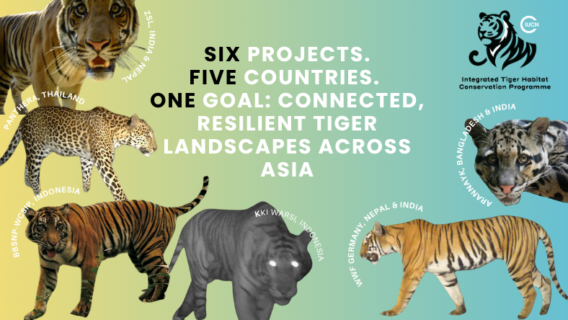
The projects also sit alongside six larger projects launched under the fourth phase of ITHCP in 2025. Together, these investments support conservation across key tiger landscapes in Asia, with approaches shaped by the ecological and social conditions of each location.
For the three returning partners, the next two years will be an opportunity to strengthen systems that communities and conservation teams are already using on the ground, and to generate further evidence on approaches that could benefit tiger conservation elsewhere.
The Integrated Tiger Habitat Conservation Programme (ITHCP) is funded by the German Cooperation via KfW Development Bank and implemented by IUCN.