Strengthening human-tiger coexistence in the Indian Sundarban
Project description
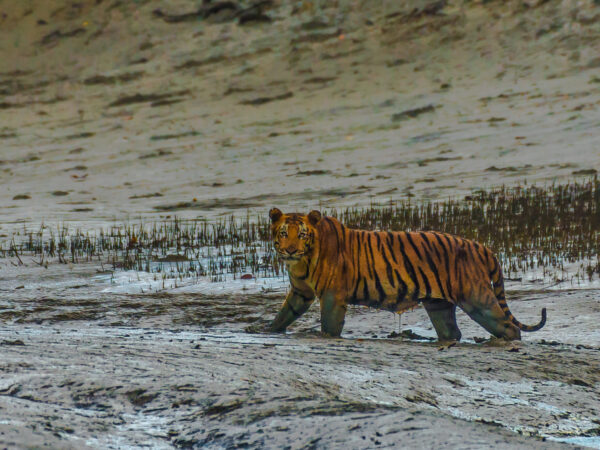
The Sundarban Biosphere Reserve is one of the world’s most important tiger landscapes, where thousands of people live alongside Bengal tigers in a complex and dynamic environment. In Kultali Block, accidental tiger incursions into villages and surrounding areas can pose significant risks to both local communities and wildlife.
Threats

Human-wildlife conflict
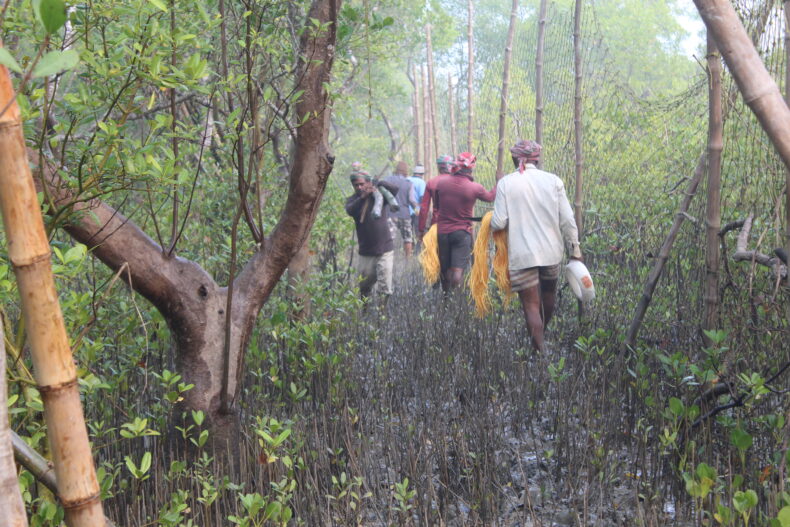
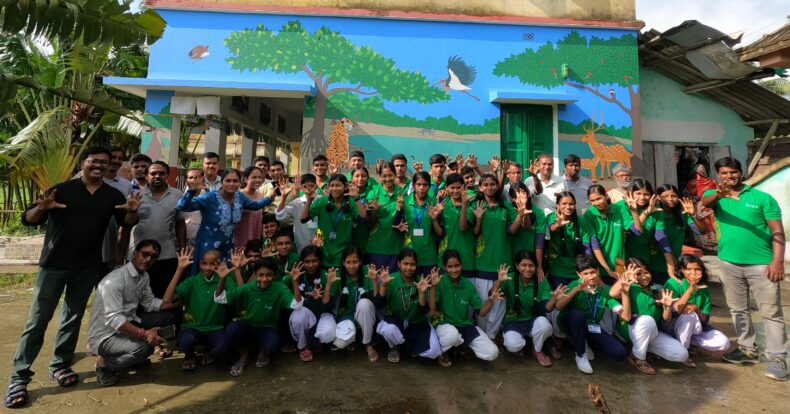
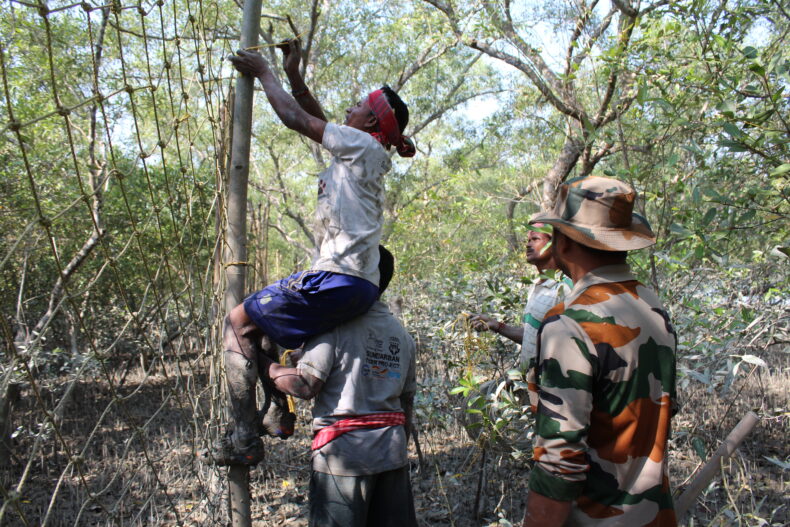
This project aims to strengthen human-tiger coexistence by supporting community-based conflict prevention and rapid response systems. Working closely with the Forest Department, Joint Forest Management Committees (JFMCs) and local communities, the project will enhance emergency response capacity, identify conflict hotspots, improve preventive infrastructure and promote inclusive community stewardship. By combining local knowledge, technology and capacity building, the project seeks to reduce human-tiger conflict while supporting the long-term conservation of tigers in the Sundarbans.
This project is implemented by the Wildlife Trust of India (WTI).
Project objectives
Project activities
- Respond rapidly to tiger incursion incidents through trained field teams and community-based Primary Response Teams (PRTs).
- Identify conflict hotspots and support the installation of mitigation measures, including nylon net fencing, illuminated barriers, AI camera traps and early warning systems.
- Strengthen emergency response through dedicated boat patrols, rapid deployment and systematic monitoring of response actions and outcomes.
- Expand and train community Primary Response Teams, with at least 50% women members, through basic and refresher courses on human-tiger conflict mitigation.
- Review and strengthen local human-tiger conflict management plans in collaboration with the Forest Department and community stakeholders.
- Document, communicate and share project lessons and results to promote the Sundarbans as a model for human-tiger coexistence at national and international levels.