Eradicating invasive freshwater turtles to protect native wetland biodiversity (Portugal)
Project description
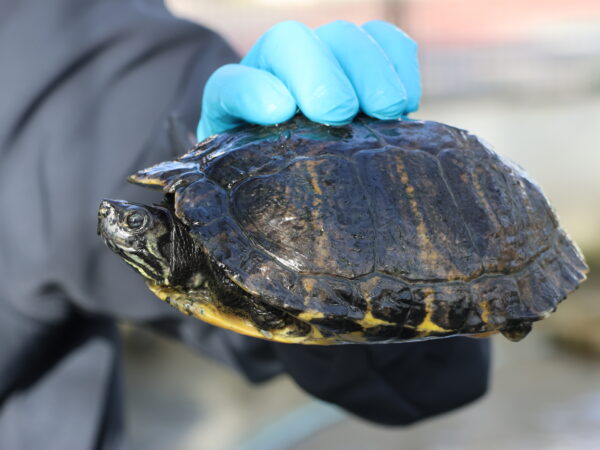
The project aims to eradicate two invasive freshwater turtle species, the red-eared slider (Trachemys scripta) and eastern river cooter (Pseudemys concinna), from Lagoa Pequena, a protected wetland in Sesimbra, Portugal. Both species are present in low numbers, with no confirmed reproduction, providing an opportunity to eliminate them before they become established. These invasive turtles threaten native biodiversity through competition with the native Mediterranean pond turtle (Mauremys leprosa) and potential predation on amphibians and fish.
Threats

Invasive alien species
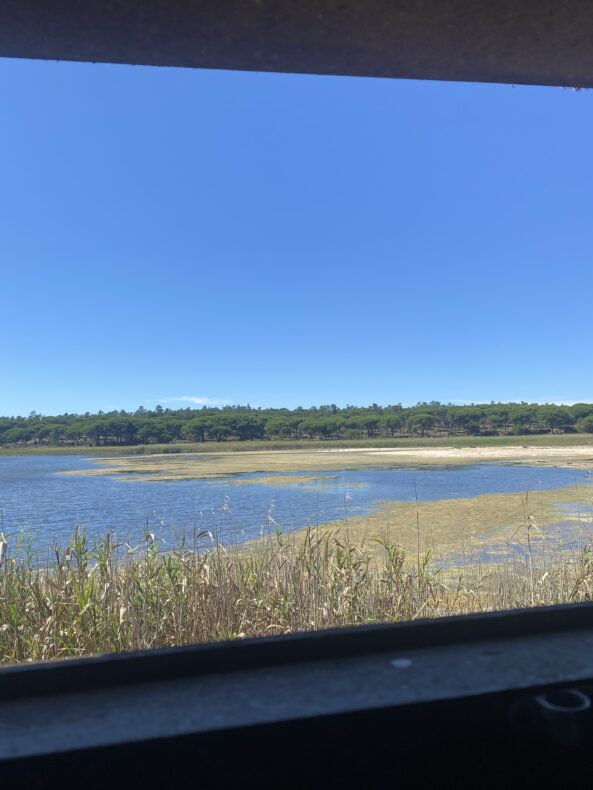
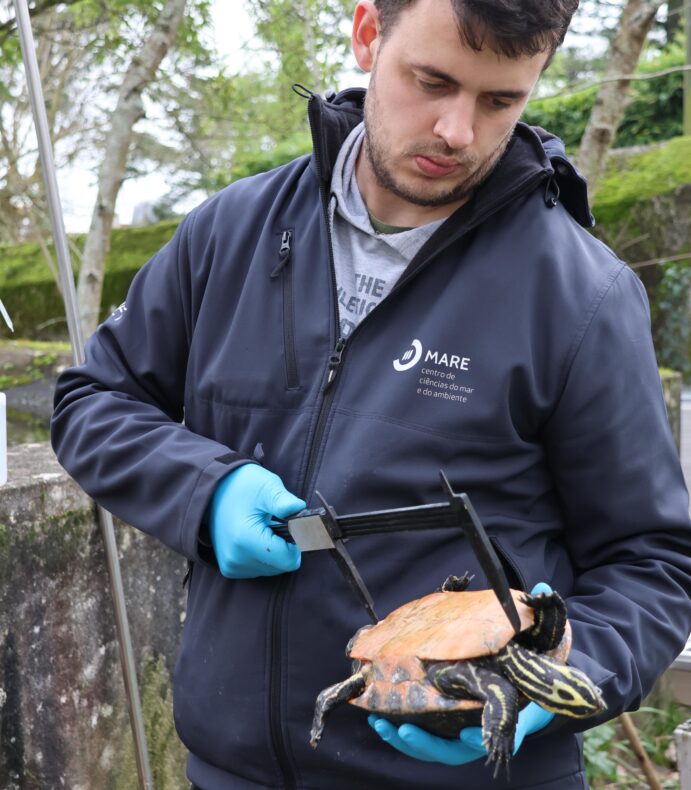
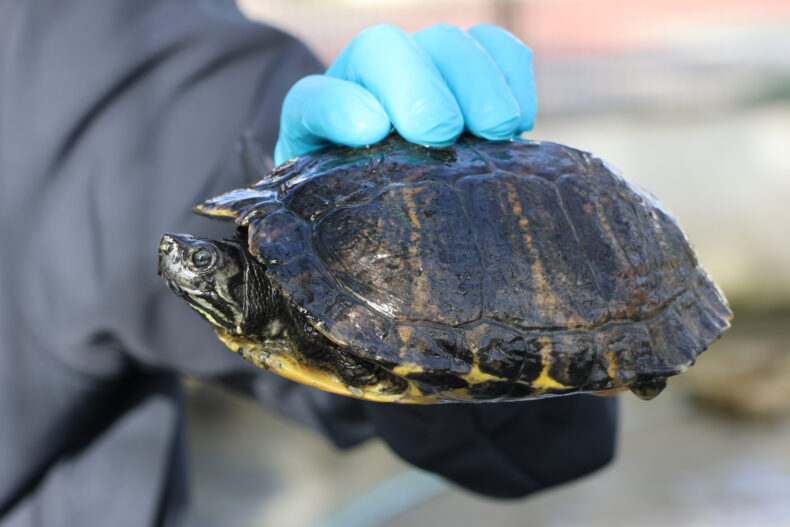
Through targeted trapping, post-eradication monitoring and public awareness activities, the project seeks to prevent their establishment and reduce the risk of future introductions, particularly through the release of unwanted pet turtles.
This project is implemented by the University of Évora.
Project objectives
The project aims to eradicate the red-eared slider and eastern river cooter from Lagoa Pequena before their populations become established. It seeks to protect native freshwater biodiversity, particularly the Mediterranean pond turtle, by reducing competition and predation pressures associated with invasive turtles. The project also aims to prevent future introductions through continued monitoring and by raising awareness among local communities and key stakeholders about the ecological impacts of releasing pet turtles into natural habitats.
Project activities
- Targeted eradication: Conduct an intensive trapping campaign to capture and remove invasive freshwater turtles from the protected wetland.
- Management of captured turtles: Arrange for the sterilisation, recovery and transfer of captured turtles to authorised long-term captive facilities.
- Post-eradication monitoring: Monitor the site to detect any remaining invasive turtles or new introductions and enable a rapid response where necessary.
- Public awareness: Organise educational activities and outreach events, and develop information materials to raise awareness about the impacts of releasing pet turtles into the wild and encourage responsible pet ownership.