Beyond COP17: What’s next for species conservation?
New commitments for nature, practical lessons from conservation projects and a journey through Madagascar to discover the people protecting its lemurs.
The world has four years left to meet its 2030 biodiversity targets. Are we doing enough to protect threatened species?
That was one of the central questions at the UN Biodiversity Conference (COP17), which concluded on 31 October in Yerevan, Armenia. Governments and conservation partners announced new funding, partnerships and strategies to accelerate action for nature. But the conference’s first global review of biodiversity progress delivered a sobering finding: the world is still off track to meet its 2030 targets.
So, what needs to happen next?
Across the world, conservation organisations and local communities are already putting solutions into practice. Their experiences offer valuable lessons on what works, where challenges remain and how global commitments can deliver lasting results for threatened species.
In this edition, we unpack the key outcomes of COP17, explore new lessons on living alongside wildlife and tackling invasive alien species, and take you to Madagascar for the launch of A Future for Lemurs, our new year-long campaign showcasing conservation through the people and places at its heart.
At COP17: What did the biodiversity summit deliver for threatened species?

What did the world’s largest biodiversity conference deliver for threatened species?
Nearly 50 decisions, new financing commitments and international partnerships emerged from two weeks of negotiations in Yerevan. But will they be enough to reverse biodiversity loss by 2030?
One major outcome was the adoption of the Yerevan Pathway, setting priorities for the next four years, including reforming subsidies harmful to nature, increasing support for developing countries and strengthening biodiversity monitoring and accountability.
COP17 marked the first global review of progress towards the 23 targets of the Kunming-Montreal Global Biodiversity Framework. While countries have made advances in biodiversity planning, the findings confirmed that current efforts remain insufficient to halt and reverse biodiversity loss.
Four developments worth watching
- 💰 New funding for nature: Nearly USD 2 billion in biodiversity funding was announced, including a commitment of more than USD 500 million over five years from nine philanthropic organisations through the new Species Recovery Alliance, whose members includes Fondation Segré and Re:Wild.
- 🤝 A new coalition against extinction: Armenia and Colombia launched the Coalition of Action to Recover Endangered Species (CARES), bringing countries and partners together to mobilise expertise, resources and coordinated action for threatened species.
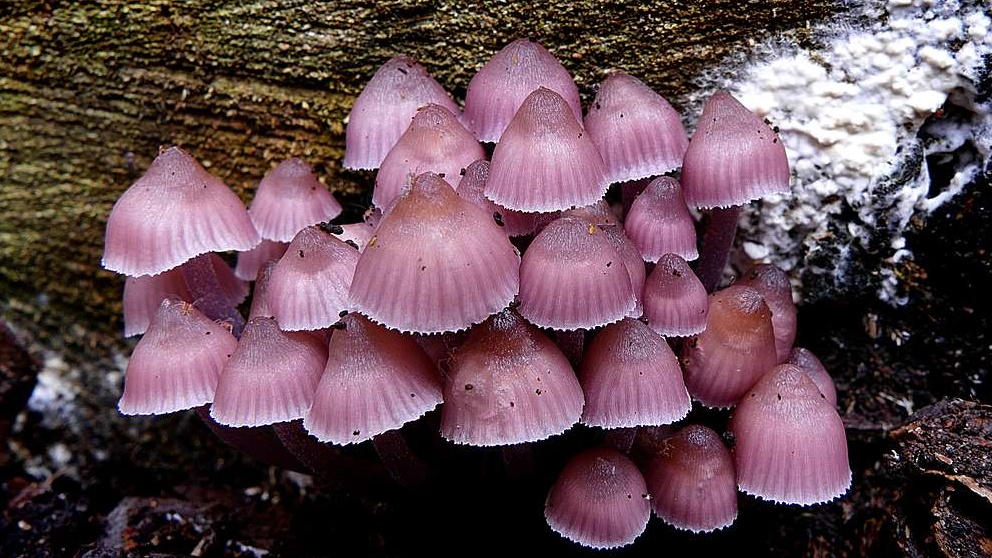
- 🔎 New tools and strategies for conservation: IUCN introduced an updated Global Standard for Effective and Equitable Protected and Conserved Areas and a ten-year strategy to scale up action on invasive alien species. The first Global Strategy for Fungal Conservation also brought attention to an often-overlooked part of biodiversity.
- 🌿 Greater recognition of Indigenous Peoples and local communities: The adoption of the Sevan Guidelines and recognition of Indigenous and Traditional Territories marked further steps towards strengthening participation in biodiversity conservation.
What happens now?
In its closing statement, IUCN welcomed progress on biodiversity governance, financing and participation, while stressing that the outcomes did not fully match the ambition and resources needed to close implementation gaps. For threatened species, the next four years will be critical.
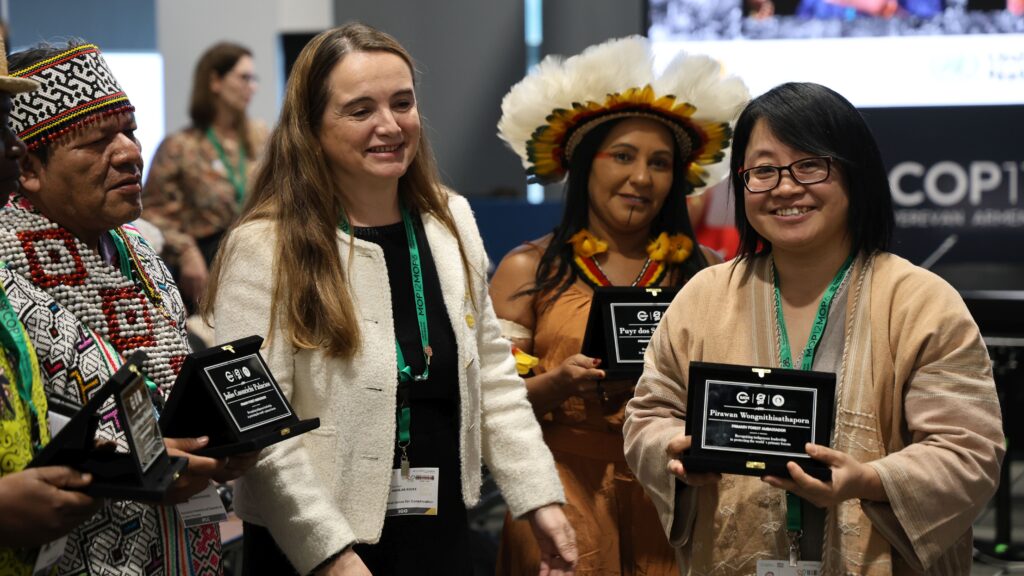
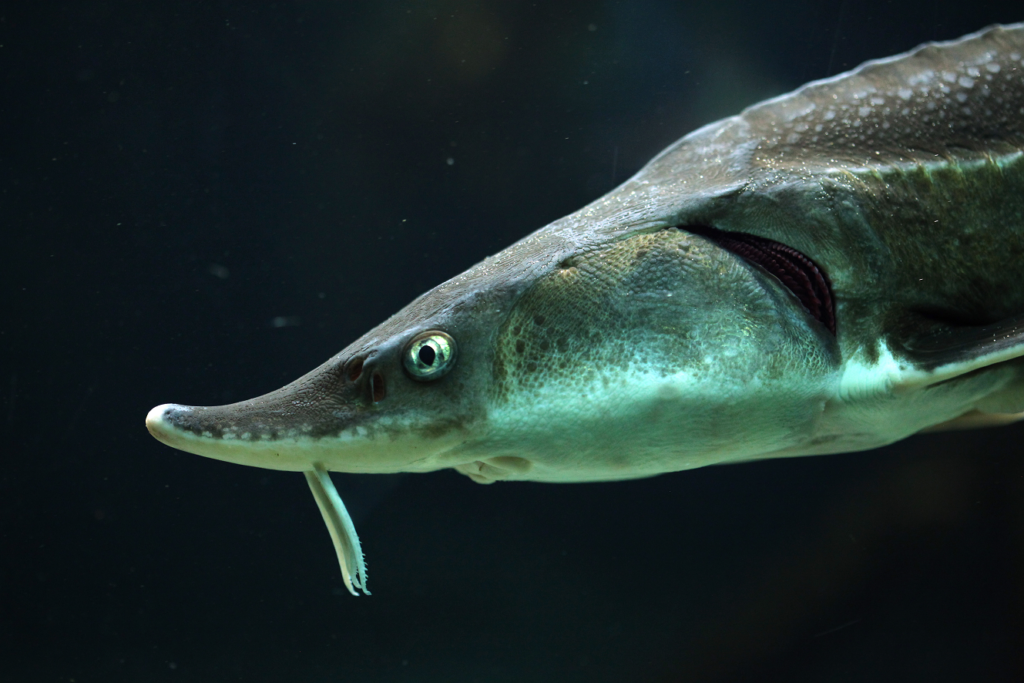
Throughout COP17, IUCN Save Our Species and its partners shared experiences on tiger habitat connectivity, human–wildlife coexistence and sturgeon recovery. Their discussions highlighted the importance of protecting connected habitats, involving local communities and sustaining conservation efforts beyond individual projects and national borders.
Our COP17 roundup explores these lessons and the developments that could shape species recovery in the years ahead.
Explore species conservation highlights from COP17
Living alongside wildlife: Lessons from COP17 and across Africa
How can conservation programmes protect threatened species while safeguarding the livelihoods and safety of communities living alongside wildlife?
At COP17, IUCN and its partners explored this challenge, drawing on experiences from the Integrated Tiger Habitat Conservation Programme (ITHCP) and the SOS African Wildlife Initiative (AWI).
Discussions highlighted the importance of addressing the underlying causes of conflict, involving communities in developing solutions and securing long-term financing. Examples included community-led tiger response teams in Bangladesh and locally developed measures to reduce crop damage in Tanzania.
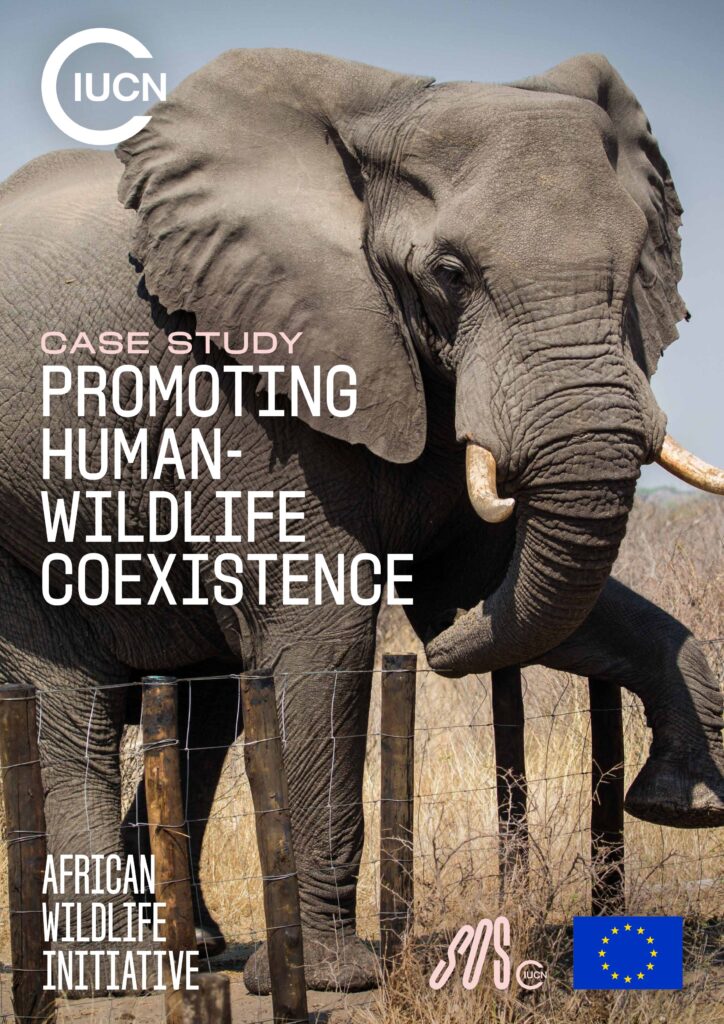
These lessons are reinforced by our latest SOS AWI case study, which examines seven conservation projects across Africa to identify practical approaches to human–wildlife coexistence.
Between 2017 and 2025, 30 SOS AWI projects across 13 countries promoted coexistence, reaching more than 500,000 people and helping safeguard over 22 million hectares of habitat. The study explores how conflict prevention, community participation and livelihood support can help reduce risks to people and wildlife, while building the local capacity needed for lasting conservation outcomes.
Invasive alien species: A new global strategy and action on the ground
Invasive alien species have contributed to more than 60% of documented global extinctions. With over 3,500 invasive alien species recorded worldwide, preventing their spread and managing their impacts is an urgent conservation priority.
At COP17, IUCN launched its Union Strategy to Scale Up Action on Invasive Alien Species, a ten-year roadmap to strengthen global action through better scientific tools, greater technical capacity, effective prevention and management, and sustainable financing.
IUCN Save Our Species is already supporting action in Europe and Africa:
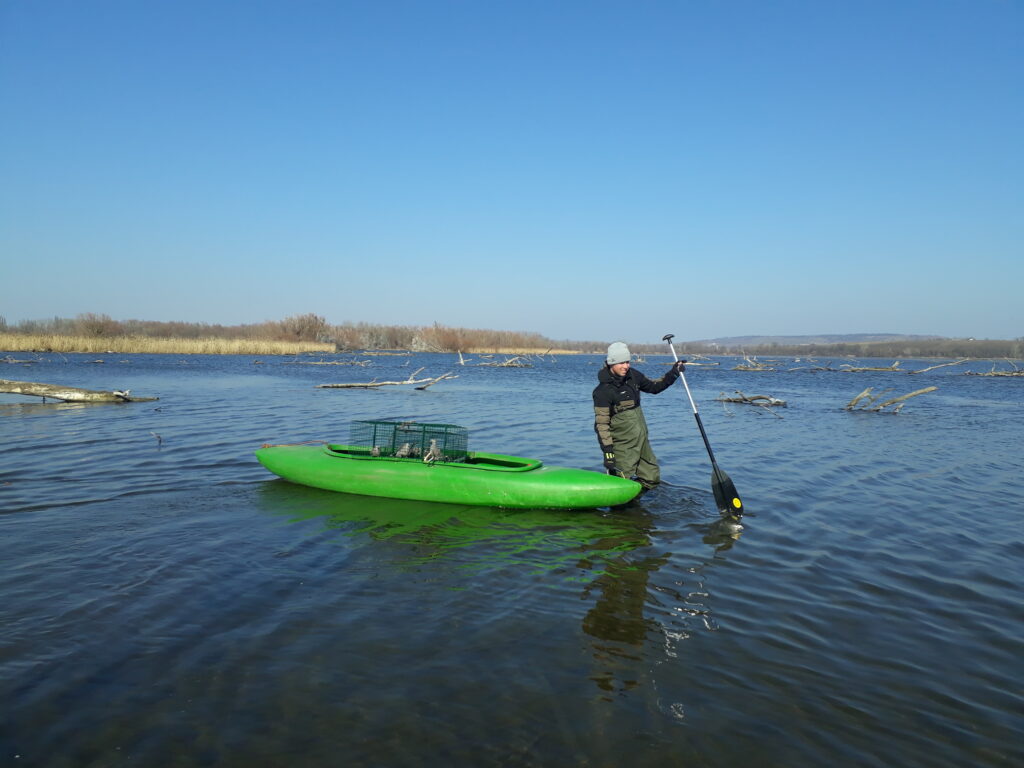
In Europe, the EU Invasive Alien Species Rapid-Response Fund supports early interventions against newly detected invasive species, helping prevent their establishment and avoid greater ecological and financial costs.
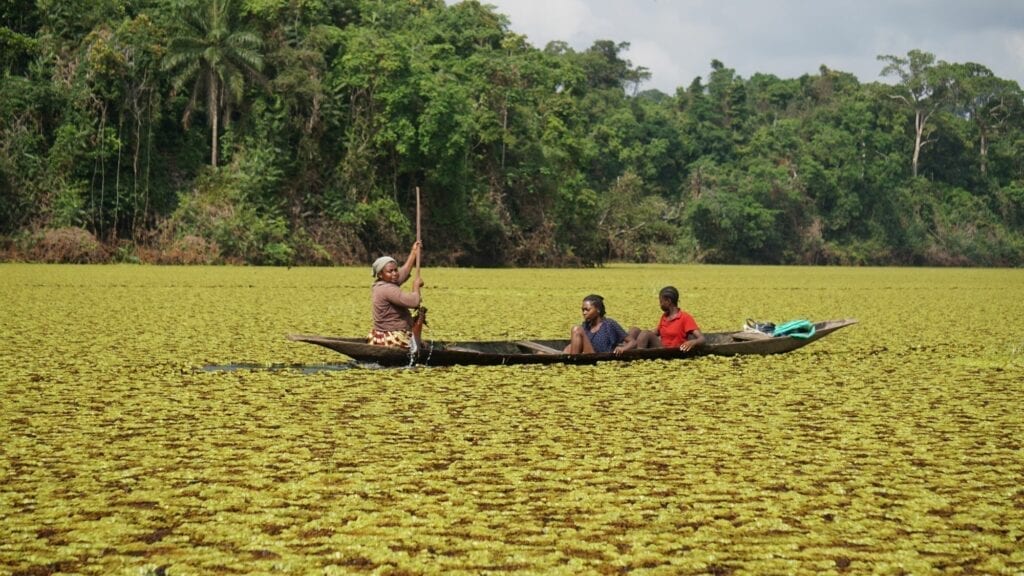
In Africa, projects under the SOS African Wildlife Initiative have tackled established invasive species through habitat restoration, biological control, vegetation removal and community engagement.
Feature story: A Future for Lemurs
A new year-long journey through Madagascar begins
From the calls of indris echoing through rainforests to sifakas leaping between trees, Madagascar is home to some of the world’s most extraordinary primates. But their future is increasingly uncertain.
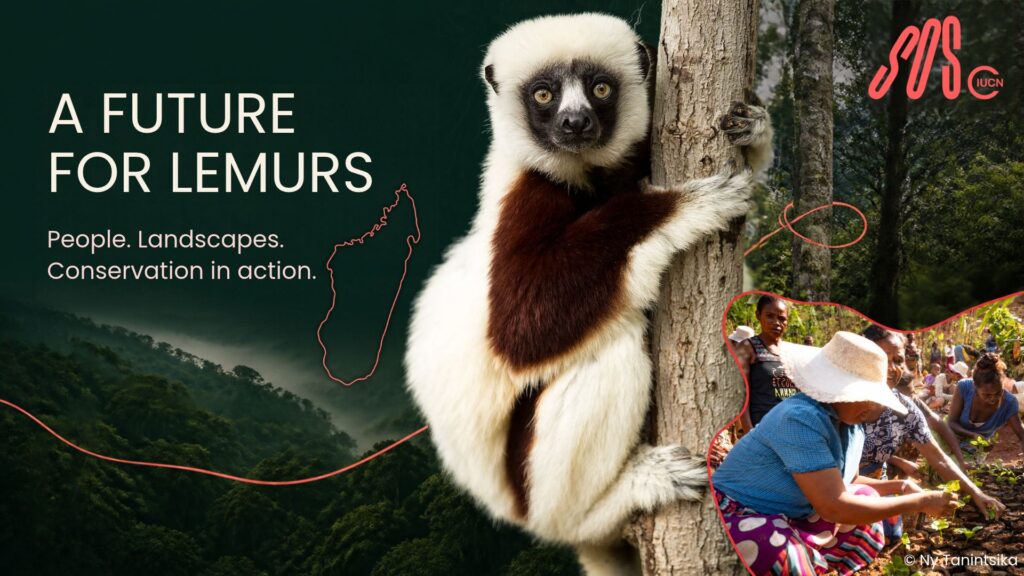
On World Lemur Day, 30 October, IUCN Save Our Species launched A Future for Lemurs, a year-long storytelling campaign exploring the people, landscapes and conservation efforts helping protect Madagascar’s threatened lemurs.
For many communities, forests are also essential sources of food, fuel and income. With limited economic opportunities and the added pressures of climate change, protecting wildlife can be particularly challenging. That’s why conservation efforts increasingly involve supporting sustainable agriculture, improving food security and developing alternative livelihoods that benefit both people and nature.
Across Madagascar, local communities and conservation organisations are finding ways to tackle these challenges.
Over the coming year, we’re inviting you to discover their work.
Each month, A Future for Lemurs will take you to a different part of Madagascar, introducing the conservation practitioners, researchers and communities working to protect lemurs and the habitats they depend on.
We’ll explore the challenges they face, the solutions they’re testing and the lessons emerging from their work, offering a closer look at conservation in practice.
Building towards a decade of SOS Lemurs
The campaign also marks the beginning of the countdown to the tenth anniversary of SOS Lemurs in October 2027.
Since 2017, IUCN Save Our Species has supported conservation organisations across Madagascar, with a strong focus on Malagasy expertise and locally led conservation. During its first phase (2017–2023), SOS Lemurs supported 49 projects targeting 63 lemur species. Its ongoing second phase is supporting a further 25 projects across 27 sites, targeting around 60 species.
As we approach this milestone, we’ll reflect on the achievements, challenges and lessons from a decade of conservation work. The campaign will culminate in the publication of a ten-year SOS Lemurs report, bringing together conservation results and priorities for the future.
Follow IUCN Save Our Species for a new story every month.
Help turn conservation commitments into lasting results
COP17 brought renewed commitments to protect biodiversity, but the years ahead will determine whether these ambitions translate into meaningful progress for threatened species.
The conservation efforts featured in this newsletter offer a glimpse of what that progress looks like: communities finding ways to coexist with wildlife, teams responding to invasive species before they spread and local organisations working to secure a future for Madagascar’s lemurs.
These efforts need sustained support to deliver lasting results. By donating to IUCN Save Our Species, you can help support conservation organisations working to protect threatened species, restore habitats and strengthen the communities at the heart of conservation.