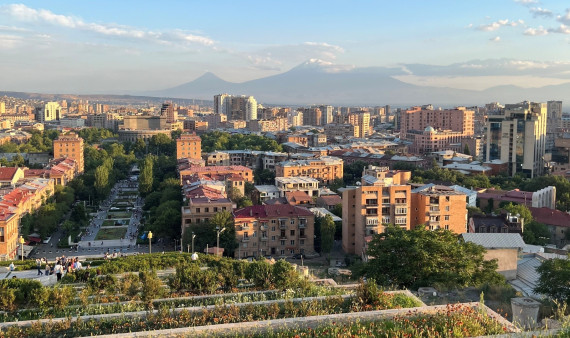
In less than a week, governments will gather in Armenia for CBD COP17, and with just four years remaining until 2030, the focus is shifting decisively from commitments to delivery.
The Kunming–Montreal Global Biodiversity Framework (GBF) set out an ambitious global agenda: halt and reverse biodiversity loss, restore ecosystems, prevent extinctions and enable people and wildlife to coexist.
Now comes the harder question: how do we turn global biodiversity commitments into measurable recovery for species and ecosystems?
For a tiger moving between fragmented forests, that can mean keeping a corridor open across an international border. For communities living alongside large carnivores, it can mean having the tools and resources to manage interactions safely. For a species pushed close to extinction, it can mean sustained investment in the people working to secure its future.
From 19–30 October, COP17 will bring countries together under the theme “Taking Action for Nature” to assess progress and, crucially, determine how implementation can accelerate.
In this special edition, we look at what that means on the ground.
Why does COP17 matter for species?
The GBF contains 23 targets for 2030, addressing many of the pressures driving biodiversity loss and the conditions needed for nature to recover.
At COP17, countries will take stock of collective progress and consider what needs to change and accelerate over the remaining four years.
For species conservation, several priorities are particularly important:
- 🌱 Restore habitats: Recovering threatened species often depends on restoring the ecosystems on which they rely and reconnecting fragmented habitat.
- 🐅 Prevent extinctions and support species recovery: Target 4 calls for urgent action to halt human-induced extinction, recover threatened species and effectively manage human–wildlife interactions.
- 🌍 Keep landscapes connected: Wildlife needs space to move, making ecological connectivity essential for many viable populations.
- 🚫 Tackle invasive alien species: Target 6 calls for action to reduce the introduction and establishment of invasive alien species and minimise their impacts on biodiversity.
But targets alone cannot conserve species. Implementation depends on finance, knowledge, technical capacity, strong institutions and the meaningful participation of the people living in and managing these landscapes.
Four years to 2030: where do species stand?
The IUCN Red List of Threatened Species™ now includes more than 49,500 species threatened with extinction, or 28% of all assessed species.
There has been movement. Action has been recorded across all 23 targets, and almost 90% of Parties have submitted national targets translating the global framework into national priorities. But progress remains uneven, and significant gaps remain in areas including finance and other means of implementation.
COP17 will be an important moment to assess that gap and determine what needs to happen next.
Host country spotlight: a symbol of transformation
There is a species hiding in plain sight in the visual identity of COP17.
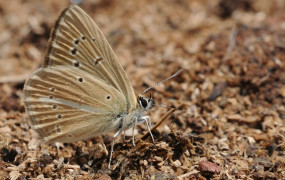
The butterfly at the centre of the conference logo is Polyommatus eriwanensis, a species endemic to Armenia whose name refers to Yerevan. Found around the capital and living alongside people, it was chosen as a symbol of the GBF’s vision of living in harmony with nature.
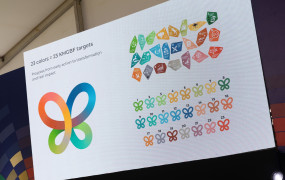
Its metamorphosis also inspired the wider idea of transformation behind the COP17 identity. The colours of the Framework’s 23 targets come together around the butterfly, reflecting their interconnected nature.
For a conference grappling with enormous questions about the future of biodiversity, it is a fitting reminder that conservation ultimately comes down to species and the places they call home.
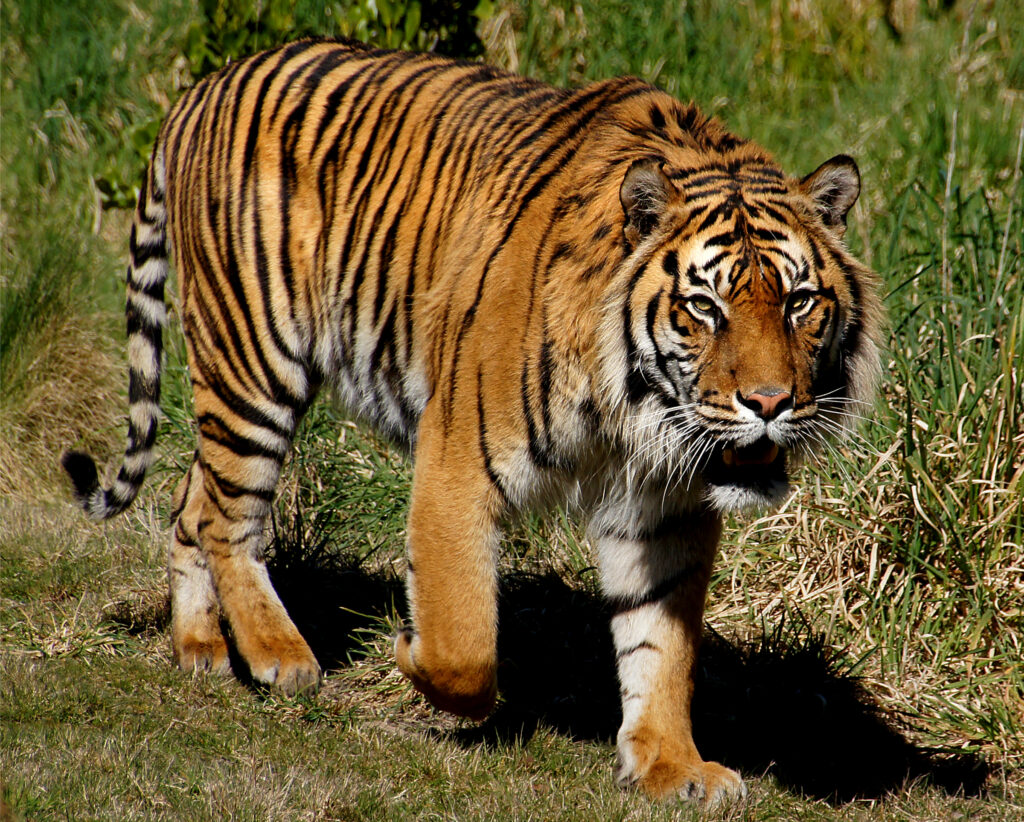
A tiger does not know when it crosses a border
A tiger moving through a forest does not know where one country ends and another begins. What matters is whether the forest continues – and whether the animal can keep moving.
Several of Asia’s priority tiger landscapes stretch across international borders. Corridors connecting protected areas allow tigers to disperse, find mates and reinforce other populations. When those connections disappear, populations can become increasingly isolated.
But a corridor that looks connected on a map can be very different on the ground. Roads and infrastructure interrupt wildlife movement, while many corridors pass through farmland, settlements and forests that people use every day. Where landscapes cross borders, conservation also requires countries to coordinate monitoring, habitat protection and management.
Through the Integrated Tiger Habitat Conservation Programme (ITHCP), IUCN and partners have worked across tiger landscapes since 2014, including on habitat connectivity and transboundary conservation. Experience from these landscapes points to an important lesson: securing corridors while they remain functional is far more feasible than trying to recreate them once they have disappeared.
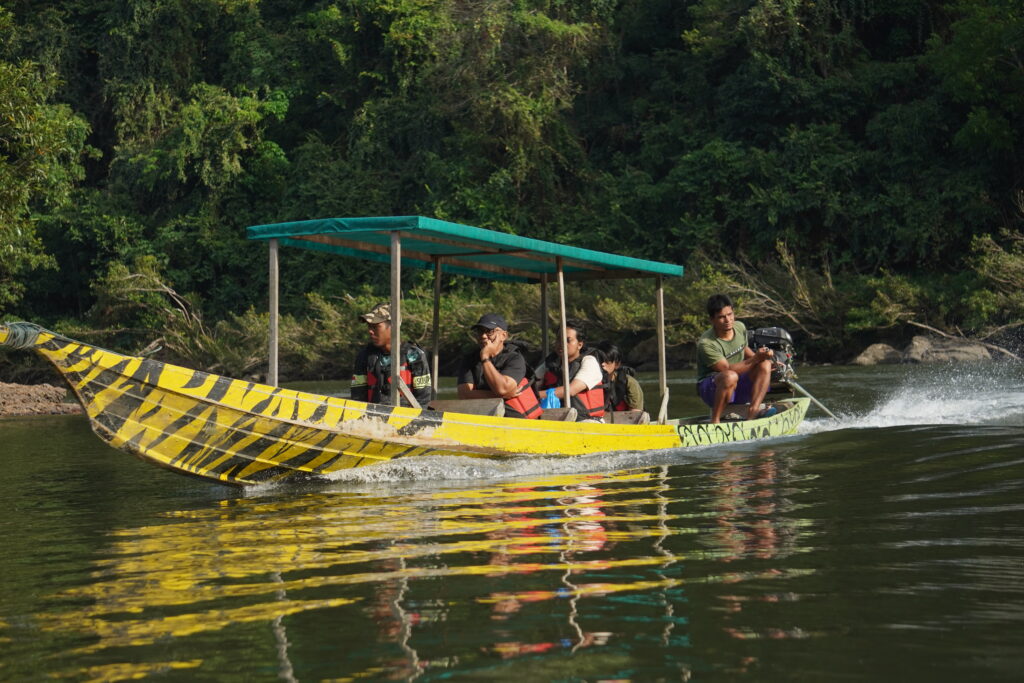
🐅 COP17: “Connecting tiger landscapes: securing habitat, movement and coexistence”
20 October | 10:30–11:45 | IUCN Pavilion, Forum A
🐅 COP17: Tiger Conservation Coalition event “From preventing extinction to confirming ecological recovery: how monitoring functionality using the IUCN Green Status Assessment can close the 2030 achievement gap”
23 October | 15:15–16:15 | IUCN Pavilion, Forum B
What does coexistence look like in practice?
Fewer livestock losses or wildlife incidents matter. But they do not tell the whole story.
A community may experience fewer incidents while still feeling unsafe around wildlife. An intervention may work technically but disappear once external support ends. And an approach that succeeds in one landscape may fail elsewhere if it ignores local livelihoods, attitudes or relationships with wildlife.
This is why Target 4 goes beyond species recovery to include the effective and sustainable management of human–wildlife interactions.
Since 2023, the IUCN SSC Guidelines on Human-Wildlife Conflict and Coexistence have provided governments and practitioners with a framework for navigating these complex situations and are now available in nine languages.
The challenge now is applying that guidance at scale. Experiences from IUCN Save Our Species’ African Wildlife Initiative (AWI) and ITHCP offer lessons from carnivore landscapes across Africa and Asia: what is working, where implementation remains difficult and what practitioners need to make coexistence last.
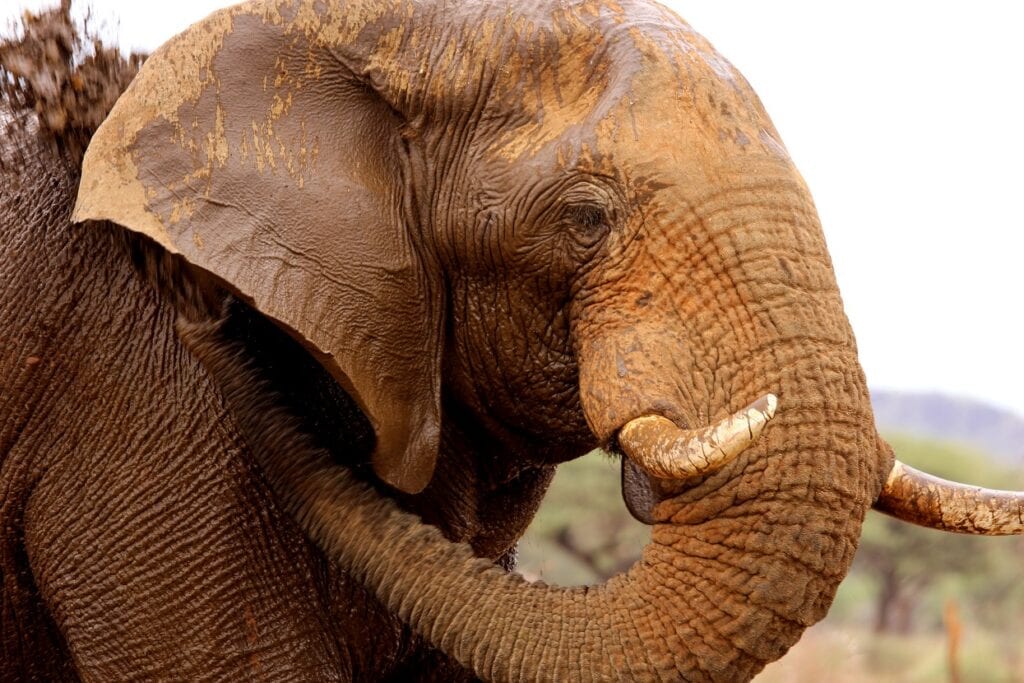
🦁 COP17: “Turning guidance into practice: scaling human–wildlife coexistence capacities across carnivore rangelands”
21 October | 15:00–16:15 | IUCN Pavilion, Forum A
Ancient species, modern conservation challenges
Sturgeons have survived for millions of years. Today, they are among the world’s most threatened groups of species.
Across Europe, habitat degradation and fragmentation, blocked migration routes, illegal fishing and bycatch have driven severe declines. Their recovery requires coordinated action across rivers and borders, combining science and habitat protection with enforcement, policy and engagement with fishing communities.
Through SOS Sturgeons, IUCN Save Our Species has supported conservation in two important river systems: the Lower Danube in Romania and the Rioni in Georgia. Partners have combined scientific monitoring and research with efforts to tackle illegal fishing and bycatch, raise awareness and engage fishing communities.
Their experience reinforces a wider lesson: knowing what a species needs is only the beginning. Recovery requires sustained collaboration, investment and action over time.
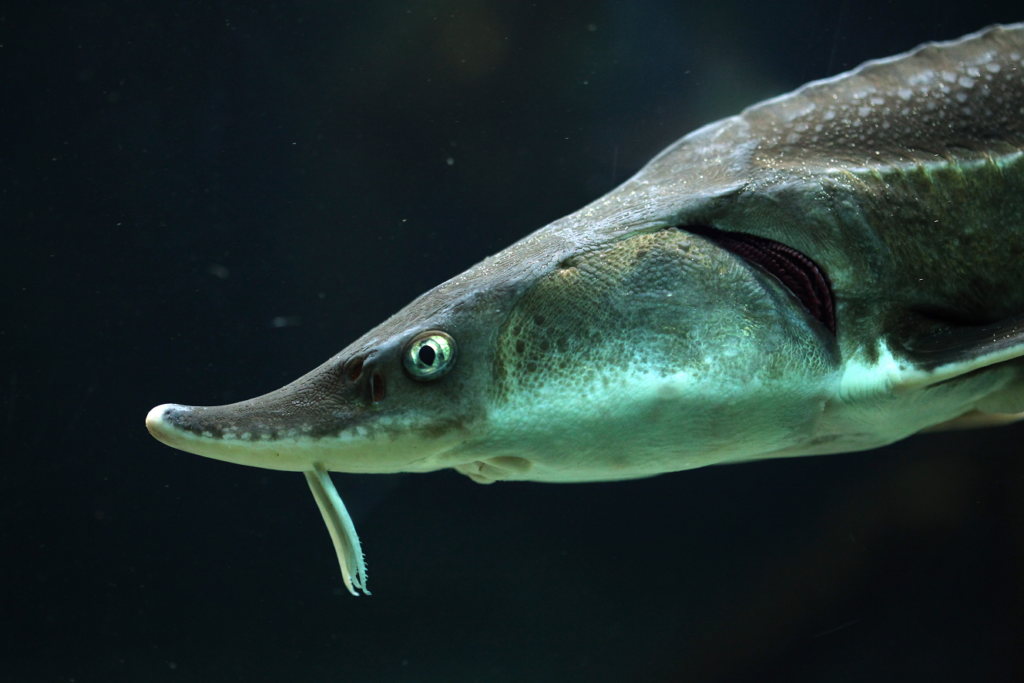
🐟 COP17: “Sturgeon conservation: opportunities for business and science”
20 October | 10:45–11:45 | FPWC Blue Zone Pavilion
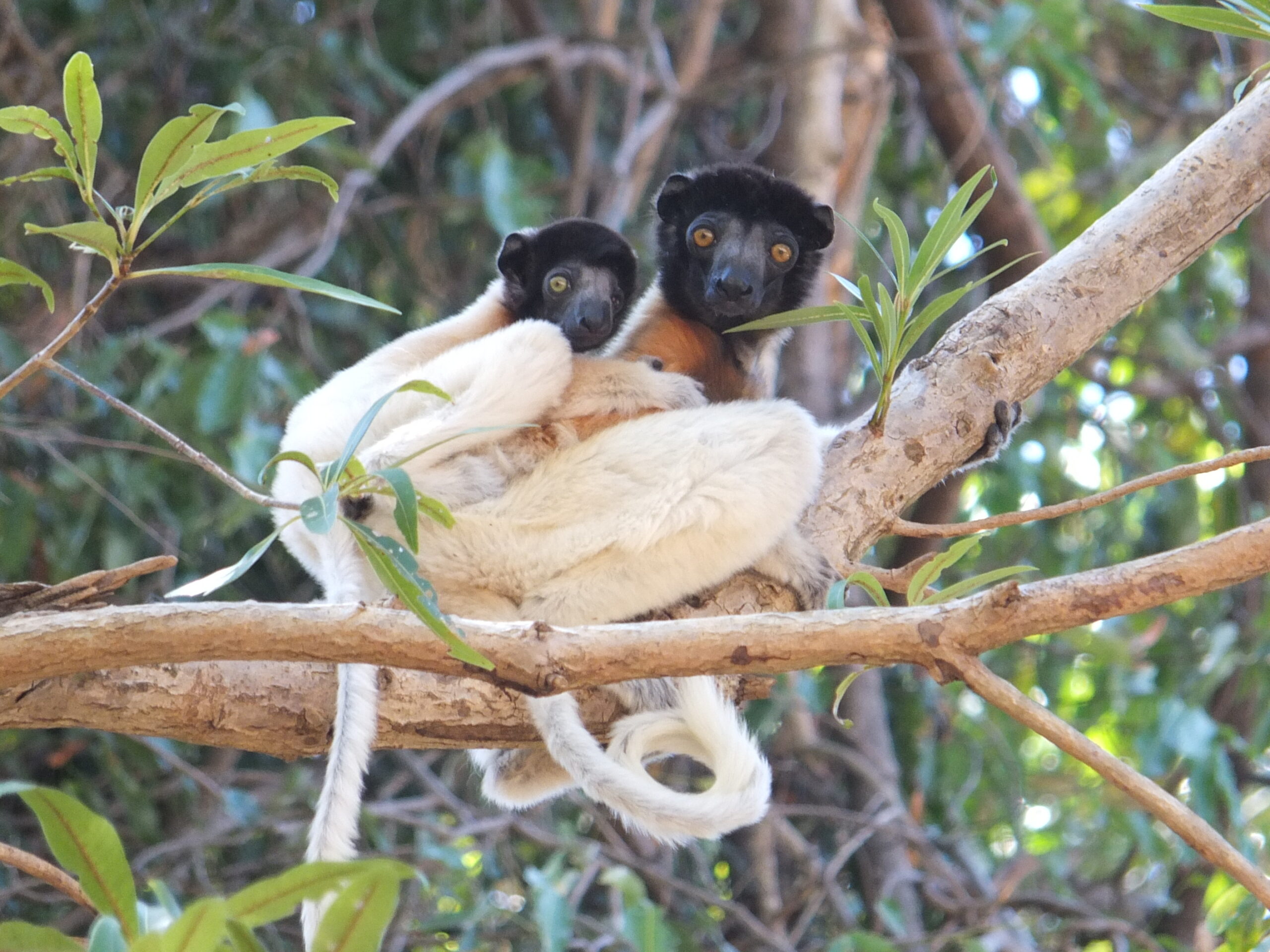
Protecting lemurs, protecting Madagascar’s landscapes
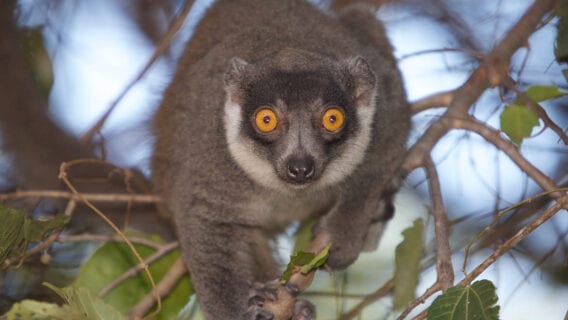
Madagascar’s lemurs are among the world’s most threatened groups of mammals. Their future is closely tied to the future of its forests and the communities that depend on them. Protecting these species requires more than conservation interventions alone: it calls for restoring habitats, reducing pressures on ecosystems and supporting local communities in managing their natural resources.
Through SOS Lemurs, IUCN Save Our Species supports local conservation organisations implementing 25 projects across 27 sites, targeting around 60 lemur species. Their work ranges from direct species conservation and habitat restoration to strengthening local conservation capacity and working with community-based associations, such as VOIs (Vondron’Olona Ifotony), involved in the management and protection of natural resources.
Across these projects, lemurs become an entry point for something larger: keeping habitats intact, strengthening local stewardship and creating the conditions for conservation gains to endure.
🐒 COP17: “From assessment to action: putting equitable governance into practice under Target 3”
22 October | 18:15–19:35 | Sisian meeting room
Acting before an invasion takes hold
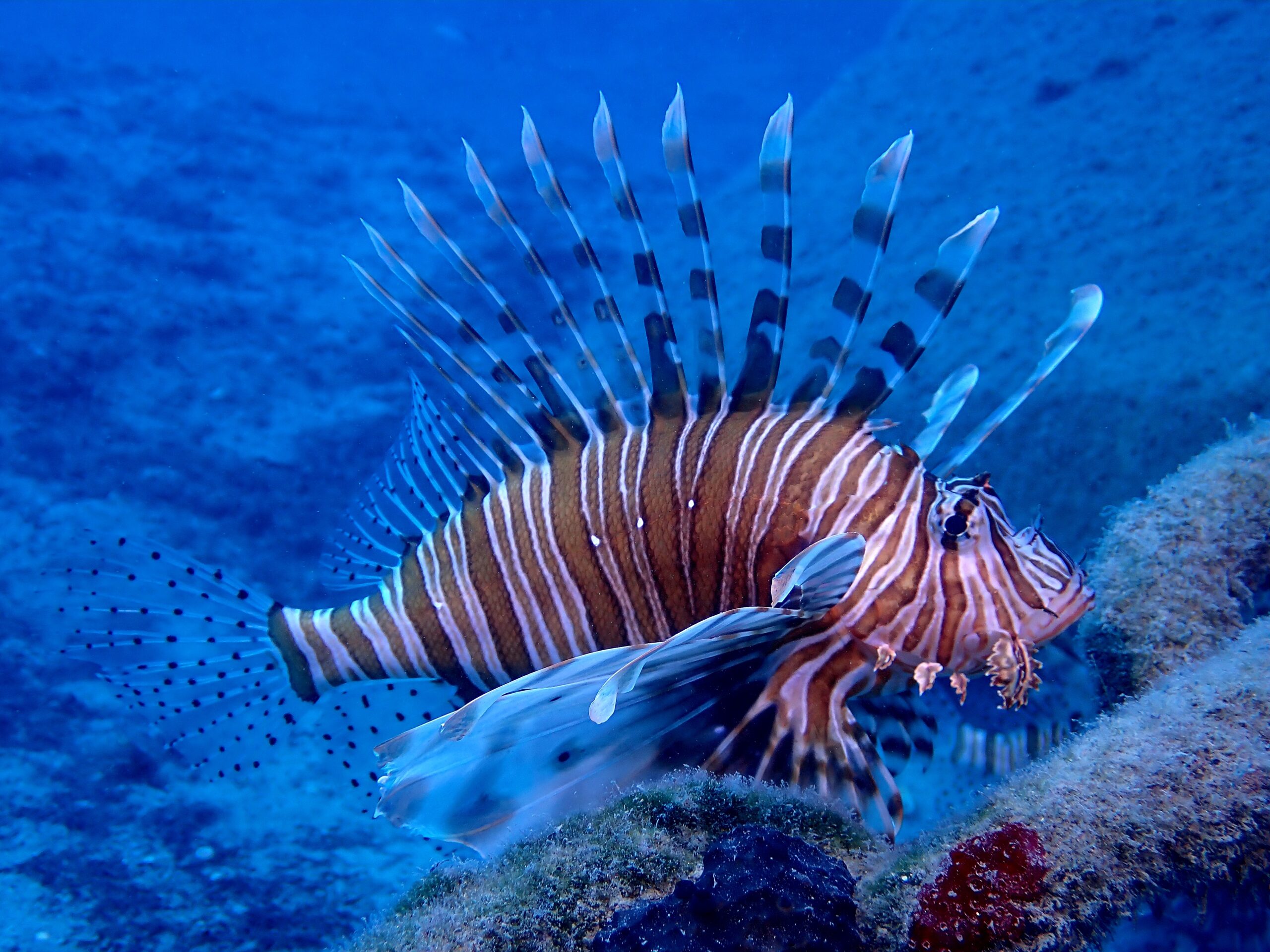
When an invasive alien species arrives, time matters. Acting early can determine whether an invasion is contained or becomes a long-term ecological and financial burden.
Target 6 calls on countries to reduce the introduction and establishment of invasive alien species and eradicate or control them, particularly in priority sites.
Across Europe, projects supported through the EU Invasive Alien Species Rapid-Response Fund are putting that principle into practice, responding to emerging invasions before they become established and significantly harder – and more expensive – to control.
Experience from the African Wildlife Initiative shows the other side of the challenge: managing invasive species already affecting landscapes and threatened wildlife. AWI-supported projects have used approaches ranging from invasive vegetation removal and ecological burning to biological control, habitat restoration and community engagement.
Together, these experiences show why action is needed across the full invasion pathway: prevent introductions, respond rapidly to new incursions and manage established invasive species effectively.
🌿 COP17: “An IUCN Union-wide strategy to scale up global action on invasive alien species”
21 October | 13:30–14:45 | IUCN Pavilion, Forum A
From targets to action: what will it take?
Across very different species and landscapes, several ingredients consistently determine whether conservation commitments translate into results.
- 🔎 Knowledge: Species assessments, ecological monitoring, local and Indigenous knowledge, scientific research and practical guidance help identify where action is needed and what is most likely to work.
- 🤝 Capacity: Conservation organisations, communities, governments, protected area managers and practitioners need the skills, partnerships and institutional support to put that knowledge into practice.
- 📈 Finance: Species recovery takes time. Predictable and accessible funding allows successful approaches to grow, emerging threats to be addressed quickly and conservation gains to endure beyond individual projects.
Connecting all three are partnerships. For IUCN Save Our Species, bringing together conservation organisations, governments, communities, experts and donors is how global commitments become practical conservation action.
See you in Armenia
Global biodiversity targets are necessarily ambitious. Their success, however, will ultimately be visible much closer to the ground: in whether threatened populations recover, whether habitats remain connected, whether communities can live safely alongside wildlife and whether conservation organisations have the resources to sustain their work.
COP17 is an opportunity to take stock of how far the world has come.
More importantly, it is an opportunity to accelerate what happens next.
For species facing extinction, the remaining four years to 2030 matter.
Follow IUCN Save Our Species throughout COP17 for updates from Yerevan, insights from our partners and stories of conservation action from around the world.
IUCN Save Our Species supports conservation organisations working on the front lines to protect threatened species, restore their habitats and work with the communities that share them. Your support can help turn global biodiversity commitments into action on the ground.
🔗 Read IUCN’s position papers for CBD COP17 here.
📅 Access the full programme of IUCN events at CBD COP17