Preventing the spread of invasive plants in Danube floodplains (Slovakia)
Project description
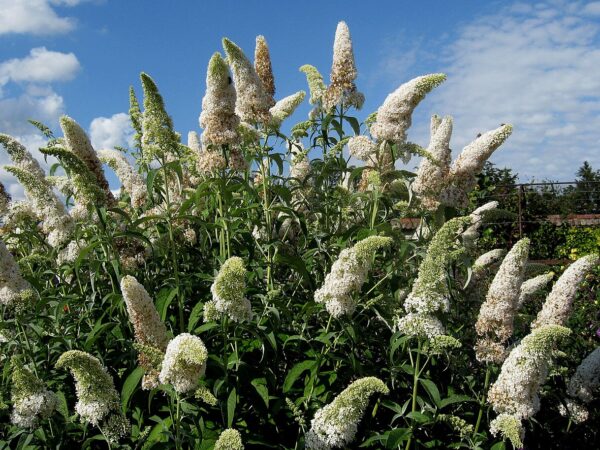
The project aims to protect the unique floodplain ecosystems of the Dunajské luhy protected area along the Slovak–Hungarian border by tackling invasive alien species before they become widely established. Focusing on three ornamental plant species – Paulownia tomentosa, Buddleja davidii and Phyllostachys spp. – the project combines early detection, targeted removal and regular monitoring to prevent their spread into native floodplain forests and alluvial meadows. Working with local communities, landowners and municipalities, it also promotes responsible gardening and garden waste management to reduce the risk of future invasions and support ongoing ecosystem restoration efforts.
Threats

Habitat loss & degradation

Invasive alien species
This project is implemented by the BROZ conservation association.
Project objectives
The project aims to prevent the establishment and spread of invasive alien plants in the Danube floodplains through early detection and rapid response. It seeks to protect native vegetation and support the long-term restoration of floodplain forests, meadows and riverine habitats. The project also aims to raise awareness among local communities about the threats posed by invasive alien species, promote responsible gardening and garden waste management, and strengthen cooperation with landowners, municipalities and other stakeholders to support long-term prevention and management.
Project activities
- Mapping: Identify and GPS-map occurrences of the target invasive plant species across the project area.
- Targeted removal: Remove invasive plants using manual and site-appropriate treatment methods, including eliminating key seed sources.
- Monitoring: Conduct twice-yearly monitoring of treated sites and promptly remove any regrowth or newly established plants.
- Community engagement: Organise a public workshop on responsible garden waste management and develop educational leaflets and information panels.
- Stakeholder cooperation: Engage landowners, municipalities and foresters through outreach activities, including a guided rafting trip to showcase the area’s ecosystems and conservation challenges.