Eradicating invasive fish to protect the endangered Calabrian Alpine newt (Italy)
Project description
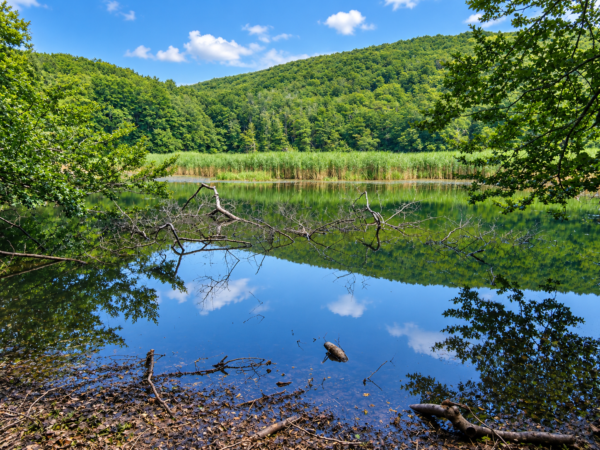
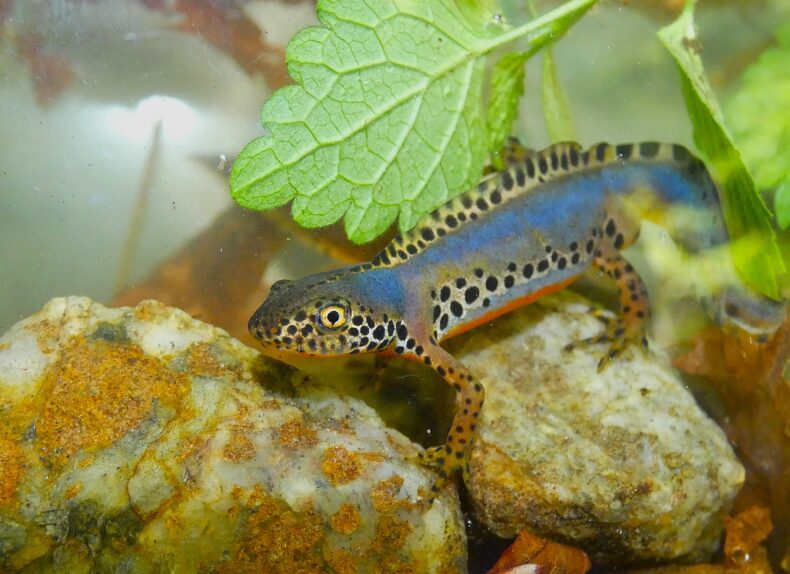
The project aims to eradicate two introduced fish species, goldfish (Carassius auratus) and common carp (Cyprinus carpio), from Lago Fonnente and Lago Due Uomini in southern Italy to protect the micro-endemic Calabrian Alpine newt (Mesotriton alpestris inexpectatus). These mountain lakes represent two of the newt’s three main breeding sites across its entire range, making their restoration essential for its long-term survival. Introduced fish threaten native amphibians in these naturally fishless habitats through predation and disruption of freshwater ecosystems.
Threats

Invasive alien species
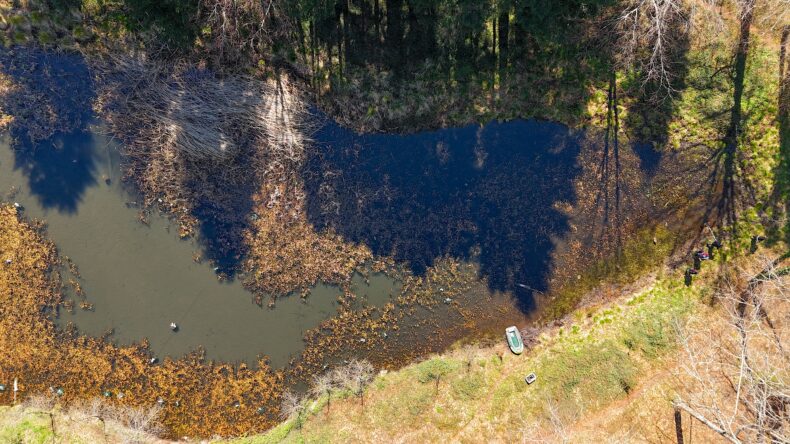
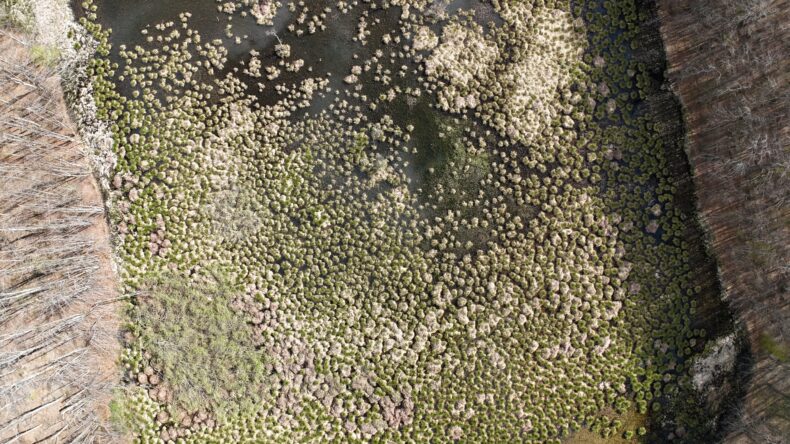
Building on previous removal efforts that reduced invasive fish populations at Lago Fonnente by over 95%, the project will combine targeted fish removal with amphibian monitoring to restore suitable breeding conditions and support the recovery of native biodiversity.
This project is implemented by the Università della Calabria – UNICAL.
Project objectives
The project aims to completely eradicate introduced goldfish and common carp from two key mountain lakes in southern Italy, restoring their naturally fishless conditions and reducing the risk of local extinction of the Calabrian Alpine newt. It seeks to improve breeding conditions and support the recovery of native amphibian populations, including both metamorphic and paedomorphic forms of the newt. The project also aims to demonstrate effective, low-impact eradication methods that could be replicated in other small mountain freshwater ecosystems threatened by introduced fish.
Project activities
- Targeted fish eradication: Deploy a network of fyke nets and minnow traps to systematically capture and remove introduced goldfish and common carp from both lakes.
- Complementary removal methods: Conduct electrofishing along lake shores and from a small boat in deeper waters to increase capture effectiveness and target remaining fish.
- Eradication monitoring: Regularly inspect traps and conduct follow-up surveys, maintaining monitoring for at least one year after the last fish detection to verify successful eradication.
- Amphibian monitoring: Monitor native amphibian populations, including the Calabrian Alpine newt, using non-lethal observations and incidental captures to assess population recovery.
- Protection of native wildlife: Apply selective trapping methods and amphibian-safe equipment configurations to minimise disturbance and prevent harm to native species during eradication activities.