Early detection and rapid response to invasive plants in the Gesäuse National Park (Austria)
Project description
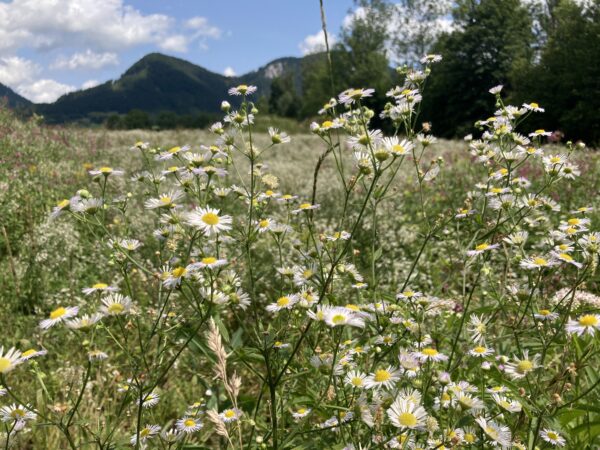
The project aims to achieve the total eradication within the project timeline of four key invasive alien plant species (Erigeron annuus, Buddleja davidii, Fallopia japonica and Lupinus polyphyllus) within the Gesäuse National Park in Austria and to improve the monitoring system to prevent future spread.
Threats

Habitat loss & degradation

Invasive alien species
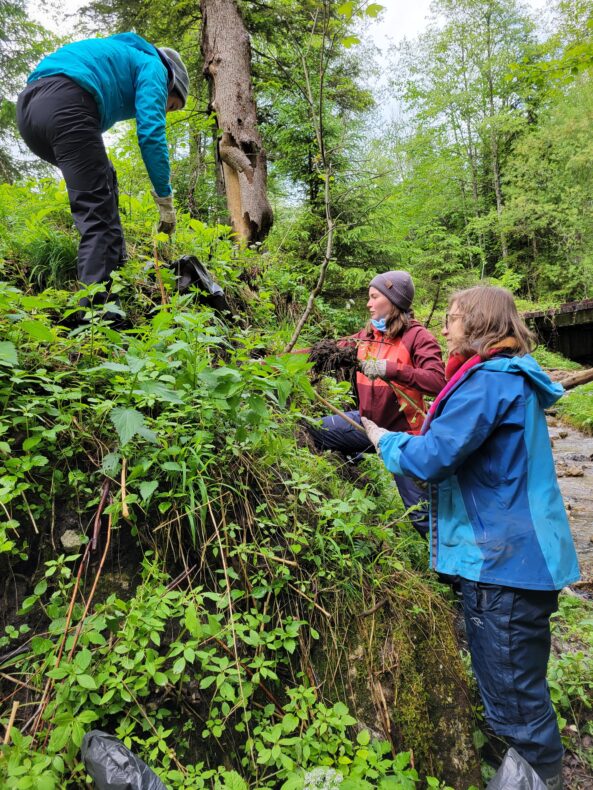
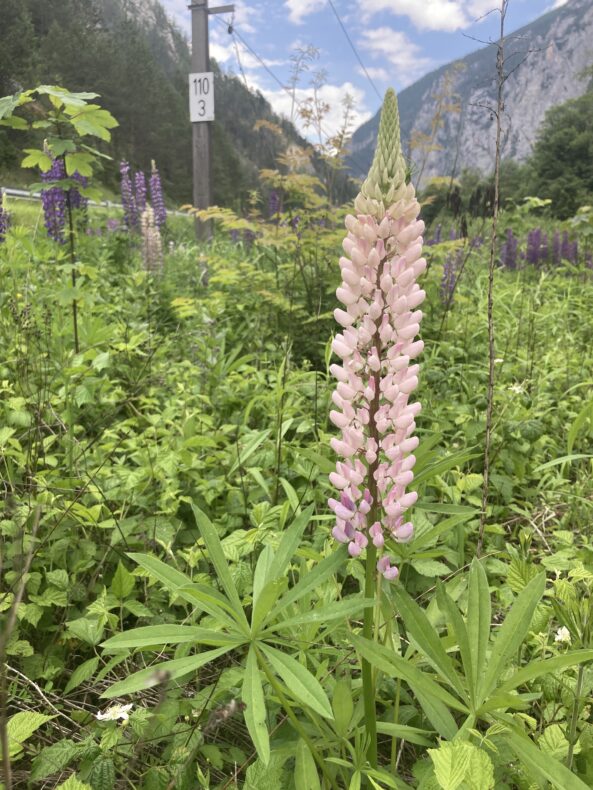
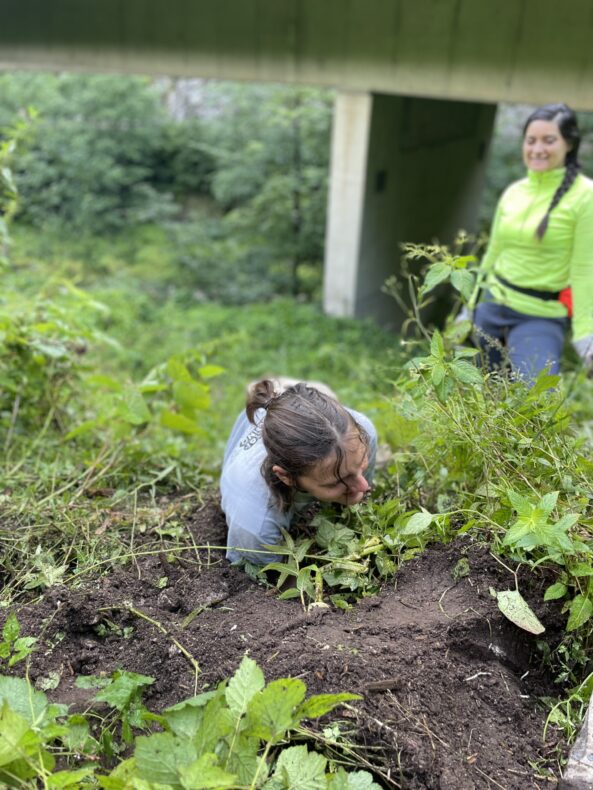
These species are either recently introduced or in an early invasion stage in the park, but already pose a serious threat to highly sensitive Natura2000 habitats, including alpine river systems, calcareous screes, riparian forests and species-rich grasslands. If not controlled, they risk displacing native plant communities, altering soil properties and compromising ongoing habitat restoration efforts. Building on nearly 20 years of experience in invasive species management, the National Park will implement a structured Early Detection and Rapid Response approach. Key activities include systematic surveys along high-risk invasion corridors, immediate mechanical and manual eradication of detected plants, safe disposal of biomass, and follow-up monitoring. The project will be strengthened through cooperation with international volunteers via a dedicated SCI volunteer camp, enhancing operational capacity and awareness.
Success will be measured through reduction of IAS occupied sites, absence of regrowth, GIS-based documentation and annual monitoring reports. Receiving this grant is crucial to enable large-scale, well-structured surveys and targeted eradication actions. As a National Park with permanent staff and institutionalised management structures, long-term continuation of monitoring and control beyond the project duration is ensured, providing sustainable protection for priority habitats.
This project is implemented by the Nationalpark Gesäuse GmbH.
Project objectives
The project aims to achieve the complete eradication of four priority invasive alien plant species — Erigeron annuus, Buddleja davidii, Fallopia japonica and Lupinus polyphyllus — within Gesäuse National Park through coordinated early detection and rapid response measures implemented during the project period.
It also aims to establish a long-term monitoring system capable of detecting new introductions and preventing the future spread of invasive alien plant species within the park and surrounding high-risk invasion corridors.
Through these actions, the project will contribute to the protection and restoration of sensitive Natura 2000 habitats, including alpine river systems, calcareous screes, riparian forests and species-rich grasslands, while safeguarding native plant communities and ecosystem integrity.
Project activities
The project will implement a structured early detection and rapid response approach focusing on systematic surveying, targeted eradication and follow-up control of the targeted invasive alien
plant species within Gesäuse National Park. Key activities include:
- Conducting systematic surveys along high-risk invasion corridors, including forest roads, hiking trails, riverbanks and transport routes;
- Carrying out immediate mechanical and manual removal of detected invasive alien plant species;
- Implementing targeted eradication actions at established invasion sites through the SCI volunteer camp team, organised in cooperation with the NGO Service Civil International – Austria, to support invasive plant management within the National Park;
- Ensuring the safe disposal of plant material to prevent further spread and reinfestation; and
- Producing structured documentation and reporting of all surveys and management measures, including before-and-after comparisons of treated sites.