Initiative
SOS African Wildlife Initiative
Funding

SOS African Wildlife Initiative, running from 2017-2027, is co-funded by the European Union.
Safeguarding Africa’s wildlife and those who protect it
Since 2017, IUCN Save Our Species and the European Union have joined forces through the SOS African Wildlife Initiative (AWI) to halt the decline of Africa’s most threatened large carnivores, including lions, leopards, cheetahs, African wild dogs and the Ethiopian wolf, while supporting the people who live alongside them.
Working with local and civil society partners across priority landscapes, SOS AWI supports targeted conservation action to protect carnivore populations and their habitats, reduce human–wildlife conflict, combat poaching and wildlife trafficking, and strengthen law enforcement. At the same time, the initiative empowers communities to play a central role in conservation through inclusive, nature-positive livelihood solutions that enable people and wildlife to coexist across protected areas, buffer zones and surrounding productive landscapes.
Running from 2017 to 2027, the initiative is funded by the European Union and implemented by IUCN Save Our Species, in collaboration with national governments, research institutions, and local NGOs. Together, these partners are helping to ensure that Africa’s carnivores continue to thrive in the wild, as keystone species essential for balanced ecosystems.
Why this matters
Africa is home to some of the world’s richest biodiversity, supporting iconic wildlife, vital ecosystems, and millions of people whose livelihoods and well-being depend on nature. From regulating prey populations to maintaining healthy, resilient landscapes, large carnivores play a critical role as keystone species within these systems.
Yet Africa’s wildlife is under unprecedented pressure. Since 1970, monitored vertebrate populations have declined dramatically, driven by habitat loss and degradation, unsustainable resource use, poaching and illegal wildlife trade, human–wildlife conflict, and the accelerating impacts of climate change. These threats endanger not only carnivores and their prey, but also the ecosystem services that underpin food security, water supply, climate resilience, and local economies.
SOS AWI responds to this challenge by supporting locally led conservation action aimed to halt the decline of Africa’s iconic carnivores and their prey across Sub-Saharan Africa. By empowering civil society organisations and working in partnership with governments, researchers, and local communities, AWI helps conserve species, safeguard ecosystems, and strengthen livelihoods, ensuring that Africa’s carnivores can continue to thrive in the wild and support healthy ecosystems for generations to come.
Our impact in numbers
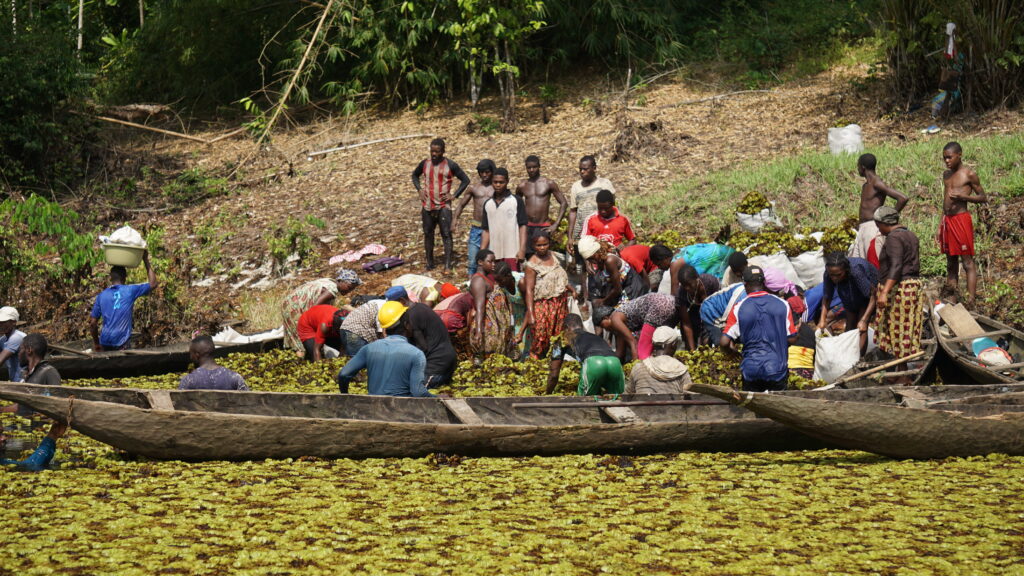
The African Wildlife Initiative drives measurable impact on the ground. Each project contributes to a shared vision: ensuring Africa’s wildlife continues to thrive in healthy ecosystems where people and nature coexist.
Each project contributes to Africa’s biodiversity and climate goals — protecting species, restoring ecosystems, and strengthening community resilience.
- 100+ projects supported across 20+ countries
- 60+ species conserved
- 1,000+ community members trained
- 50,000+ km² of key habitats protected
Our approach
The African Wildlife Initiative builds on a people-centred, science-based approach that integrates:
- Species: We create the conditions necessary for species populations to increase, thrive, and naturally recolonise their habitats.
- Habitat: We aim to improve the management of protected and conserved areas, restore degraded ecosystems and enhance connectivity of critical species habitats.
- People: We involve local people in conservation action. By supporting Indigenous Peoples and local communities to develop sustainable or alternative livelihoods and practices, we empower nature’s stewards to coexist with wildlife and ensure the conservation of species and ecosystems.
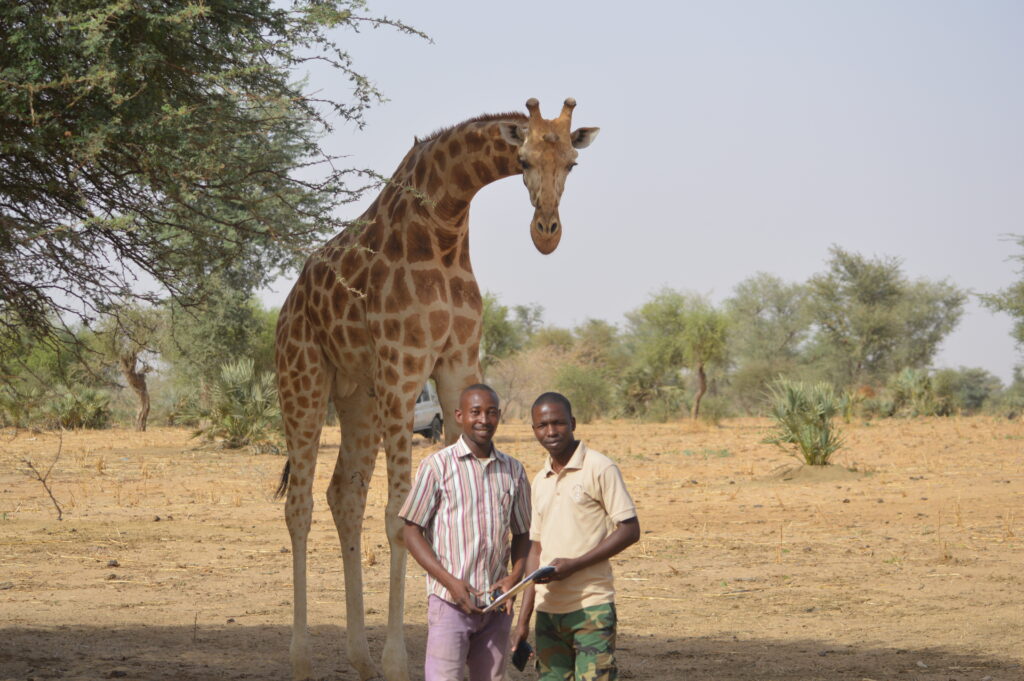
How we work
- Building partnerships: Collaborating with private, public, and multilateral partners to develop targeted species conservation initiatives where they are most urgently required.
- Strengthening civil society: Enhancing the capacity of civil society organisations by providing access to institutional scientific knowledge, expertise and tools and facilitating direct and indirect training and networking opportunities.
- Advancing knowledge: Developing a robust evidence base to inform conservation policies and approaches for sustainable outcomes.
- Supporting science-based conservation actions: Implementing impactful projects to conserve threatened species and their habitats and support communities that rely on them.
- Supporting policy implementation: Assisting governments in translating ambitious global biodiversity policies into tangible local actions that contribute to biodiversity and species protection, climate resilience, and community well-being.
This integrated approach ensures that the programme not only delivers measurable conservation results but also builds long-term capacity and resilience across conservation stakeholders.
Featured publication: Tackling emerging conservation threats in Africa (2021–2024)

When crises strike, rapid action can make the difference between losing and saving a species. Our impact report showcases five years of results from IUCN’s Rapid Action Grants under the African Wildlife Initiative. From the onset of the COVID-19 pandemic to rising climate-related emergencies, these grants provided urgent lifelines to conservation actors across Africa, ensuring continued protection for species, habitats, and communities.
Country reports
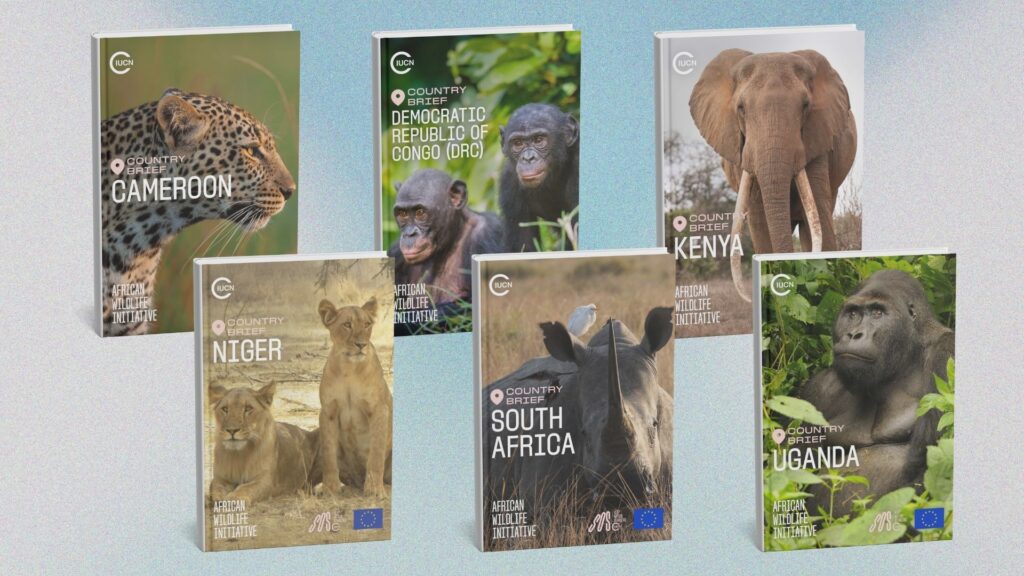
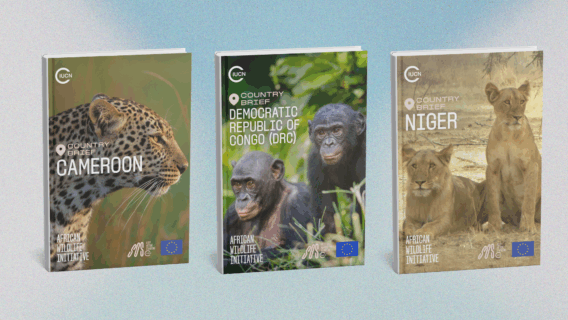
To showcase the breadth of action across Africa, the SOS African Wildlife Initiative has developed a series of country reports highlighting national progress, local partnerships, and lessons learned.
Each report captures the state of large carnivore conservation in that country — including key threats, community initiatives, and how AWI-funded projects contribute to national biodiversity goals.
Together, these reports provide a clear picture of how small grants are scaling measurable conservation results across the continent.
Discover the latest country reports:
- Cameroon (English) / Cameroun (French)
- Democratic Republic of Congo (English) / République démocratique du Congo (French)
- Kenya
- Niger (English) / Niger (French)
- South Africa
- Uganda
Stories from the field
Conservation is driven by people. Through our “Voices from the Wild” video series, meet the local organisations working across Africa to protect species and restore ecosystems. Each short film highlights a unique conservation story, from rangers safeguarding elephants in Kenya to botanists rescuing the world’s rarest cycads in South Africa.

Projects supported by the initiative
Check out projects on our interactive map2024
2023
Rapid Action Grant
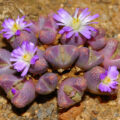
Protecting South Africa’s unique succulent species from poachers
Rapid Action Grant
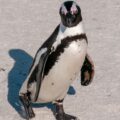
Ensuring the protection of threatened seabirds in South Africa