Eradicating newly detected little fire ant populations in southern France
Project description
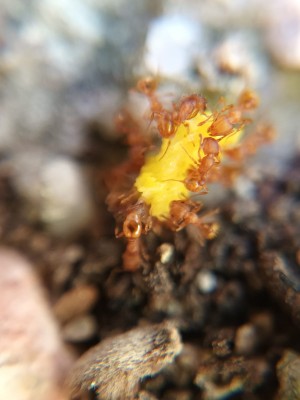
The project aims to eradicate recently detected populations of the little fire ant (Wasmannia auropunctata) at three sites in the Var department of southern France: La Croix-Valmer, Cavalaire-sur-Mer and Hyères. First detected in mainland France in 2022, this invasive alien species threatens native biodiversity, human activities and residents’ quality of life. As the infestations remain geographically limited, rapid intervention offers an opportunity to eliminate the species before it becomes more widely established.
Threats

Invasive alien species
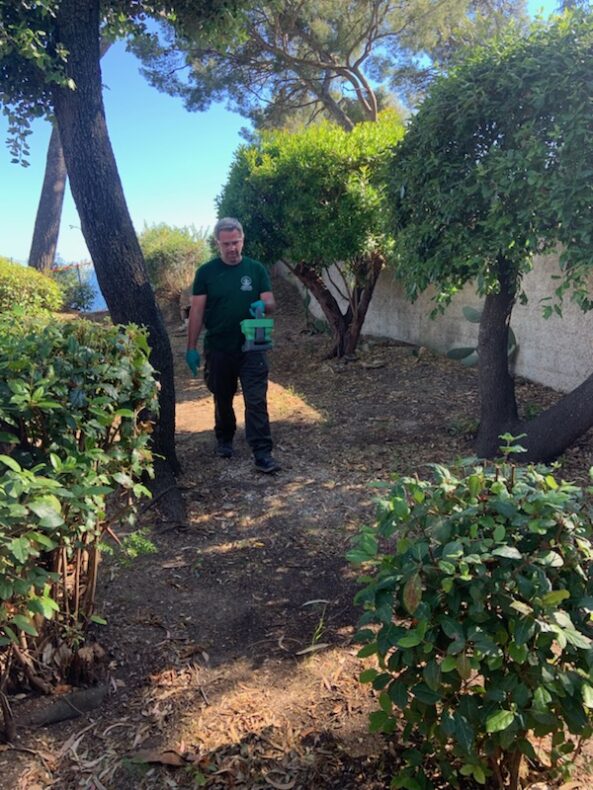
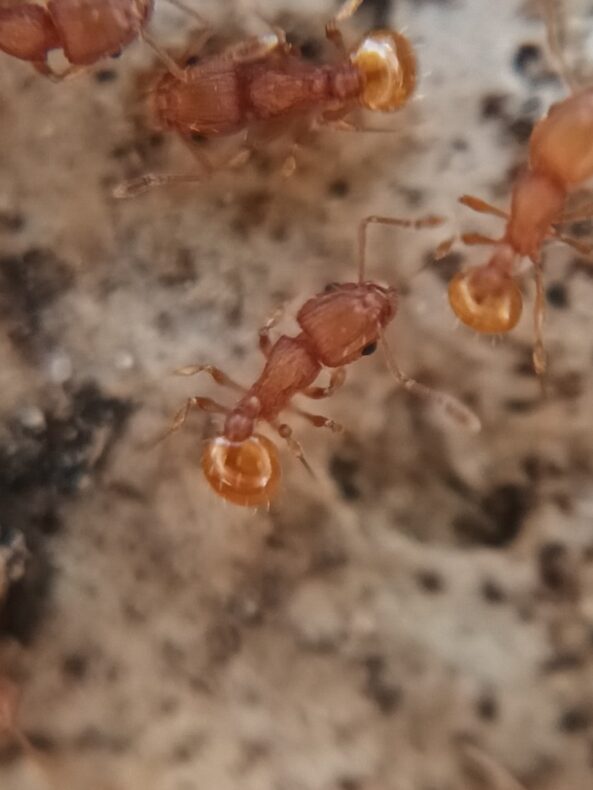
Building on experience from an ongoing eradication programme in Toulon, the project combines field surveys, targeted treatments, monitoring and stakeholder cooperation to prevent further spread and reinvasion.
This project is implemented by FREDON PACA.
Project objectives
The project aims to eradicate newly detected populations of the little fire ant in southern France before the species becomes more widely established. It seeks to prevent further spread through early detection, targeted eradication and continued monitoring, while reducing the risk of reinvasion by addressing key introduction and dispersal pathways. The project also aims to strengthen cooperation with municipalities, property owners and local residents to ensure effective treatment coverage and support long-term prevention efforts.
Project activities
- Surveys and mapping: Conduct field surveys and GIS mapping to determine the extent of infestations, identify potential dispersal corridors and locate areas at risk of further spread.
- Targeted eradication: Implement repeated treatments using authorised insecticidal bait in outdoor areas and bait stations inside buildings and enclosed spaces.
- Effectiveness monitoring: Carry out follow-up surveys to assess treatment success, detect remaining colonies and implement additional treatments where necessary.
- Stakeholder coordination: Work with municipalities, private property owners and residents to secure access to infested areas and ensure comprehensive treatment coverage.
- Prevention of reinvasion: Implement measures to reduce accidental spread through the movement of green waste, soil and ornamental plants, and minimise the risk of future introductions.