Eradicating invasive plants to restore a Mediterranean river ecosystem (Spain)
Project description
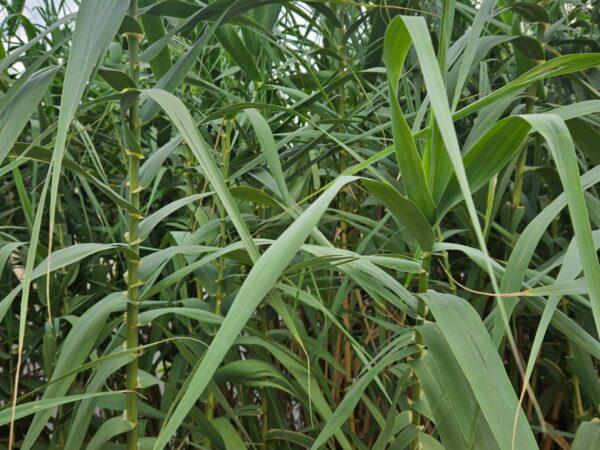
The project aims to protect and improve the Mediterranean river ecosystem of Sant Marcell, along the Siurana River in Catalonia, Spain. As one of the last remaining well-preserved stretches of this river ecosystem, Sant Marcell provides an important refuge for native biodiversity. The project focuses on eradicating the remaining individuals of two invasive alien plant species, black locust (Robinia pseudoacacia) and giant reed (Arundo donax), to prevent their further spread and support the recovery of native riparian vegetation.
Threats

Habitat loss & degradation

Invasive alien species
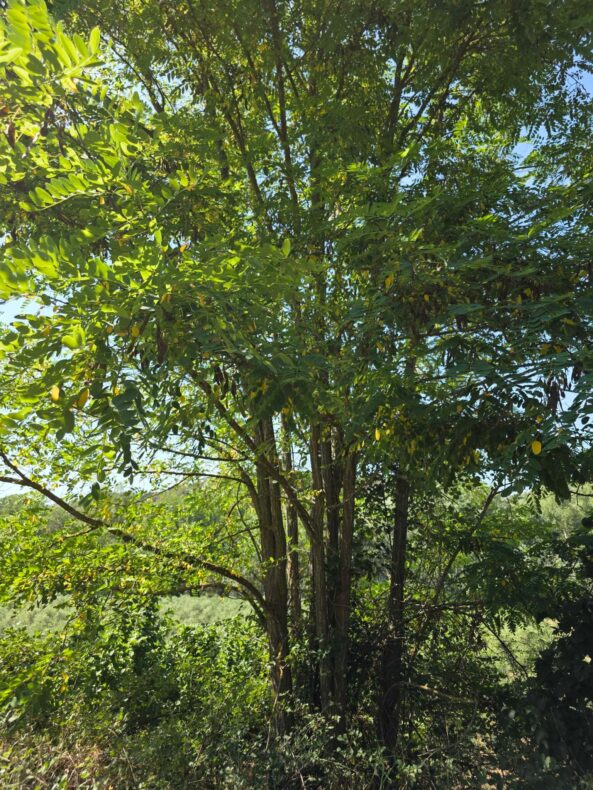
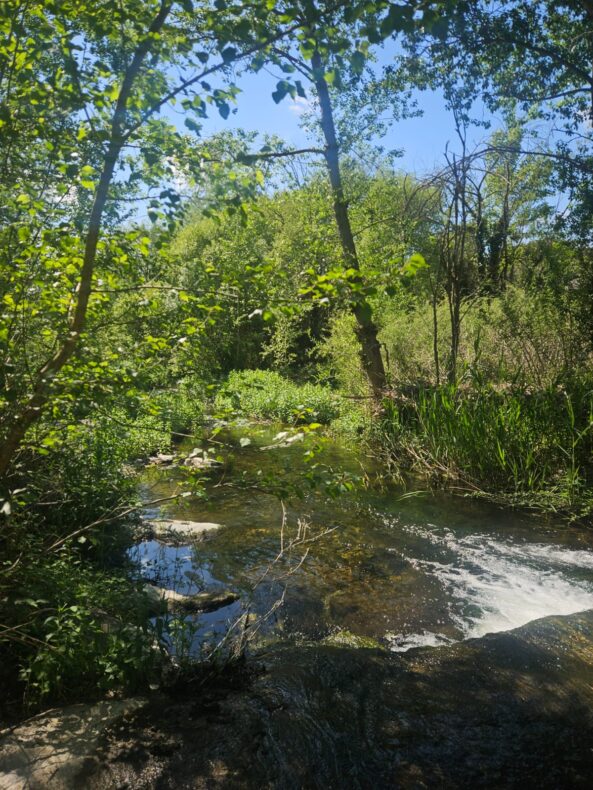
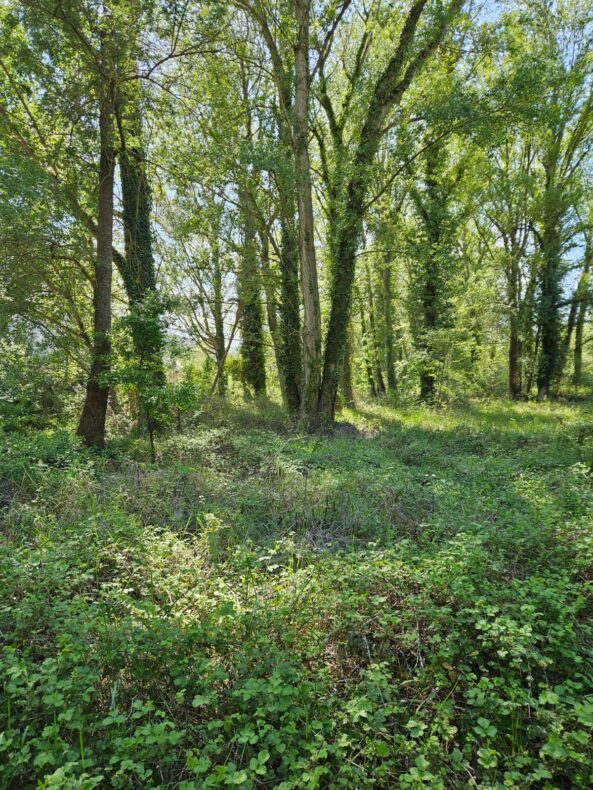
Through targeted removal and long-term monitoring, the project seeks to safeguard the ecological integrity of this valuable river habitat.
This project is implemented by the Associació Taxus Conservació i Custòdia del Territori.
Project objectives
The project aims to eradicate the remaining populations of black locust and giant reed from Sant Marcell, preventing their further spread into the surrounding river ecosystem. By removing these invasive alien plants, it seeks to improve habitat conditions, protect native riparian vegetation and preserve one of the last well-conserved stretches of Mediterranean river habitat along the Siurana River. The project also aims to ensure the long-term effectiveness of eradication efforts through continued monitoring and early detection of regrowth.
Project activities
- Targeted eradication: Carry out precise manual removal of black locust and giant reed from the project area, minimising disturbance to native vegetation and habitats.
- Regrowth monitoring: Conduct regular surveys to detect and address any resprouting of the target invasive plant species.
- Effectiveness assessment: Evaluate the success of eradication activities at the end of the project to determine whether the target species have been successfully removed.
- Long-term monitoring: Continue periodic surveys after project completion to detect regrowth and support the long-term protection of the restored river ecosystem.