Protecting native freshwater biodiversity by removing introduced fish (Croatia)
Project description
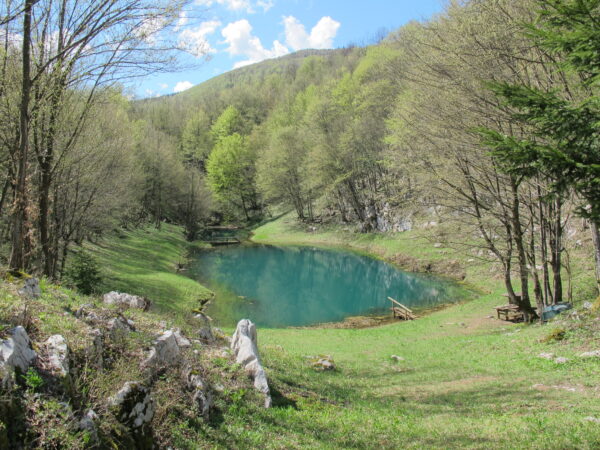
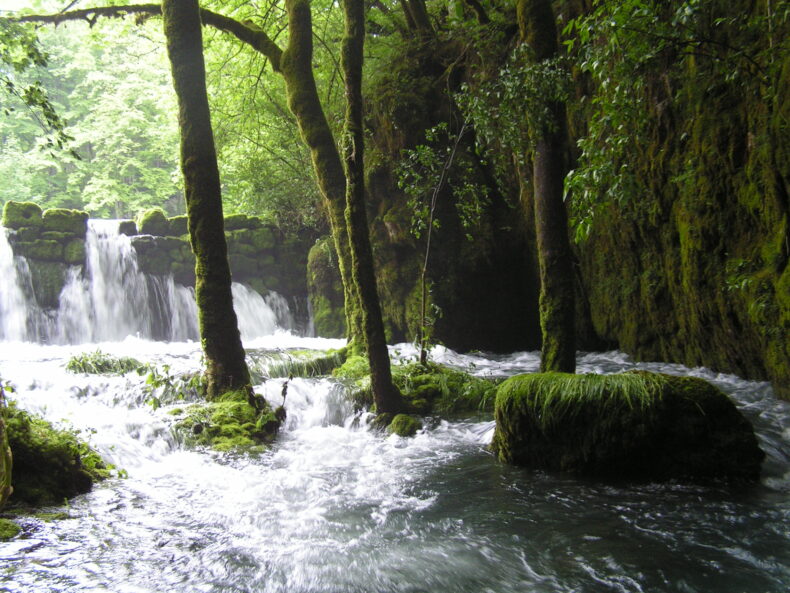
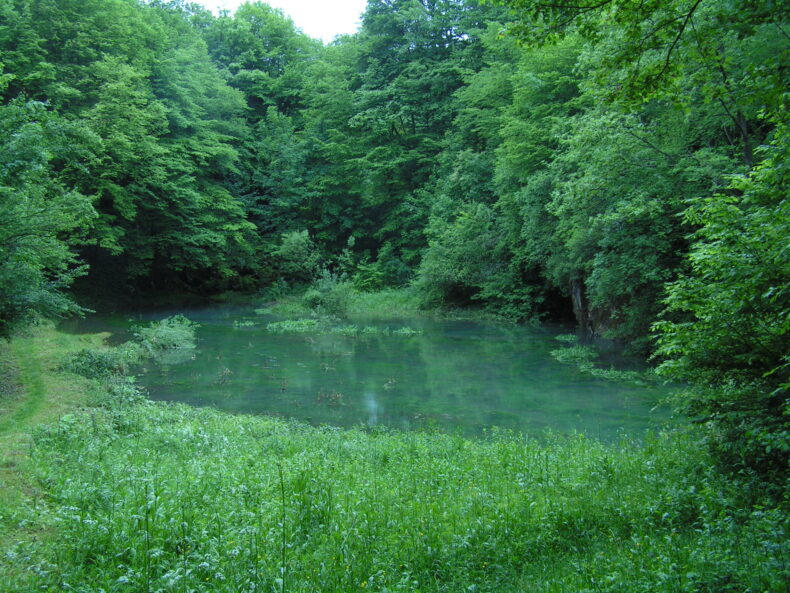
The REKARST project aims to protect the unique freshwater ecosystems of Šmitovo Lake and Rupećica Spring near Ogulin, Croatia, by removing introduced non-native fish that threaten local biodiversity. These interconnected surface and underground habitats are home to rare and endangered species, including the Critically Endangered Croatian dace, found nowhere else in the world, and the olm, a cave-dwelling amphibian.
Threats

Invasive alien species
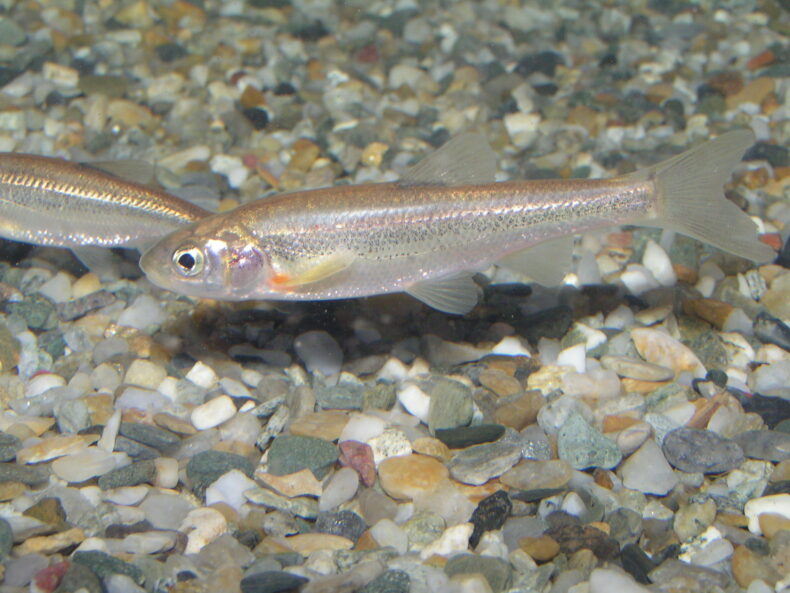
Introduced fish threaten these species through predation, competition and habitat degradation, with the recently introduced ruffe posing a particular risk as it spreads into underground habitats. Through targeted fish removal, biodiversity monitoring and community engagement, the project seeks to restore ecological conditions and prevent future invasions.
This project is implemented by the Croatian Biology Research Society (Hrvatsko Društvo za Biološka Istraživanja).
Project objectives
The project aims to protect and restore native freshwater biodiversity in Šmitovo Lake and Rupećica Spring by systematically removing introduced non-native fish, with the ultimate goal of complete eradication. It seeks to prevent the further spread of ruffe into underground habitats and improve conditions for the recovery of threatened native species, particularly the Croatian dace and olm. The project also aims to raise awareness among local communities, discourage future fish introductions and establish long-term monitoring and rapid response mechanisms to safeguard these ecosystems.
Project activities
- Removal of introduced fish: Conduct five targeted removal campaigns using electrofishing, nets, traps and scientific diving in surface and underground habitats.
- Biodiversity monitoring: Monitor fish populations and use environmental DNA (eDNA) analysis to track invasive species and assess the effectiveness of removal efforts.
- Environmental education: Organise workshops for schoolchildren, local anglers and residents to raise awareness of invasive fish and the importance of protecting native freshwater biodiversity.
- Community engagement: Collaborate with local partners and anglers to discourage illegal fish introductions and support long-term conservation.
- Long-term prevention: Develop a monitoring plan and rapid response protocol in cooperation with Public Institution NATURA VIVA to detect and address future invasions.