Guardians of Gorgonias in the Cantabrian Sea (Spain)
Project description
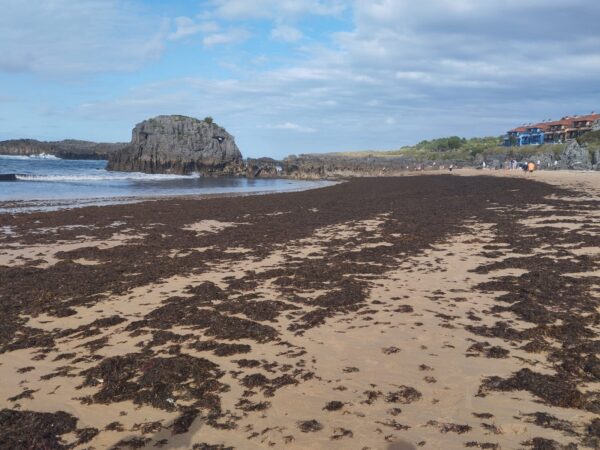
The invasive brown seaweed Rugulopteryx okamurae poses a growing threat to marine biodiversity along Spain’s Cantabrian coast. Recently detected near Punta de Sonabia, the species risks spreading into sensitive underwater habitats, including gorgonian coral communities and nearby Natura 2000 protected areas.
Threats

Habitat loss & degradation

Invasive alien species
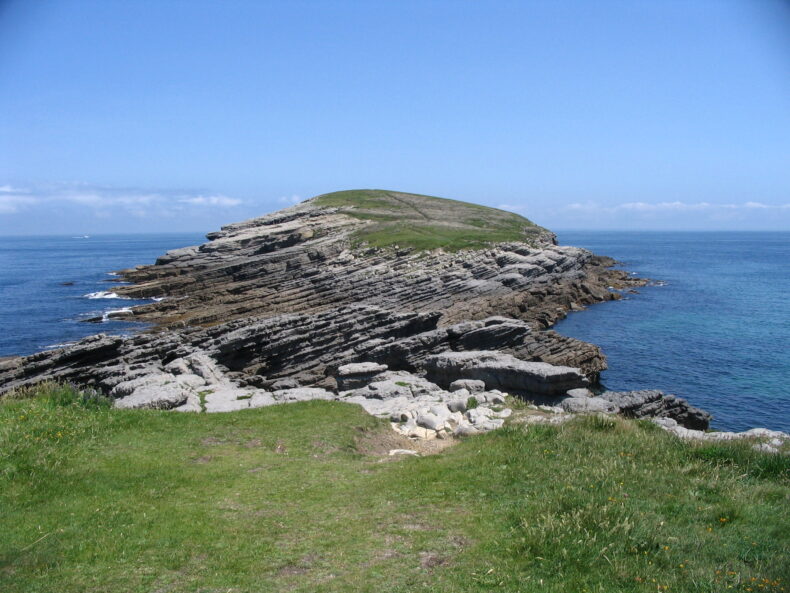
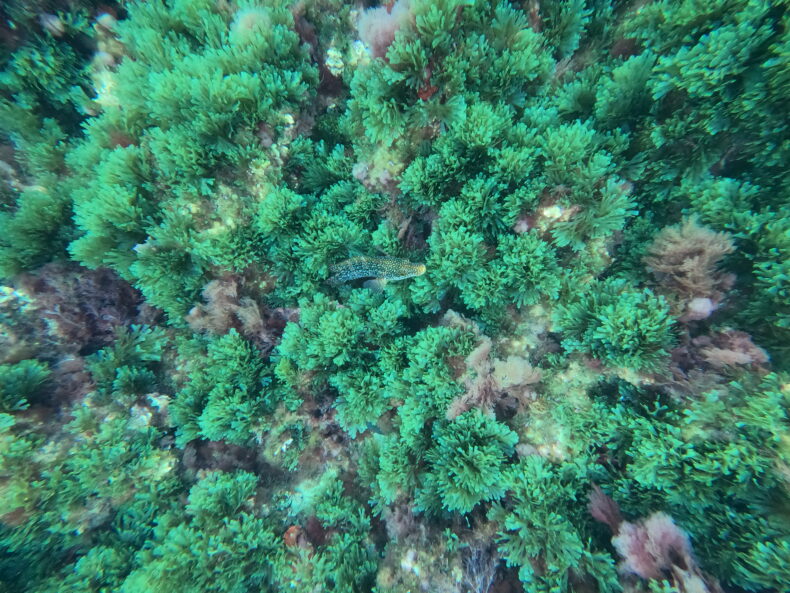
This project aims to eradicate the invasive seaweed before it becomes permanently established, protecting native marine species and vulnerable reef ecosystems. Through targeted underwater surveys, selective manual removal and community-led beach clean-ups, the project will address both existing infestations and potential pathways for further spread.
Led by the Mancomunidad de Municipios Sostenibles de Cantabria, in collaboration with IHCantabria and regional environmental authorities, the project will also strengthen local monitoring capacity and develop practical approaches to support future responses to invasive marine species.
Project objectives
The project aims to eradicate Rugulopteryx okamurae from affected areas along the eastern Cantabrian coast and prevent its establishment and spread into sensitive marine habitats. It seeks to protect native biodiversity, particularly gorgonian coral communities, through targeted removal and systematic monitoring to detect potential regrowth. The project will also engage local communities, divers and coastal stakeholders in surveillance and removal activities, while developing technical guidelines to strengthen regional capacity for the early detection and management of invasive marine species.
Project activities
- Develop standardised removal protocols and conduct targeted underwater diving campaigns to manually remove Rugulopteryx okamurae from affected reef habitats, using selective techniques to minimise disturbance and prevent fragment dispersal.
- Organise volunteer-led beach clean-up campaigns to collect stranded invasive seaweed and reduce the risk of its reintroduction into marine habitats.
- Carry out systematic underwater surveys before and after removal to assess habitat conditions, evaluate eradication effectiveness and detect potential regrowth.
- Train local divers, municipal staff and volunteers in species identification, biosecurity measures, safe removal techniques and ongoing surveillance.
- Implement public awareness activities and develop technical guidelines to share lessons learned and support rapid responses to invasive marine algae in other coastal regions.