Scaling a proven conservation model to advance forest and lemur protection in the Mahatsara Community Protected Area
Project description
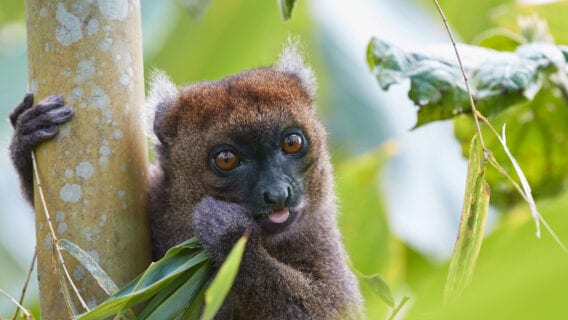
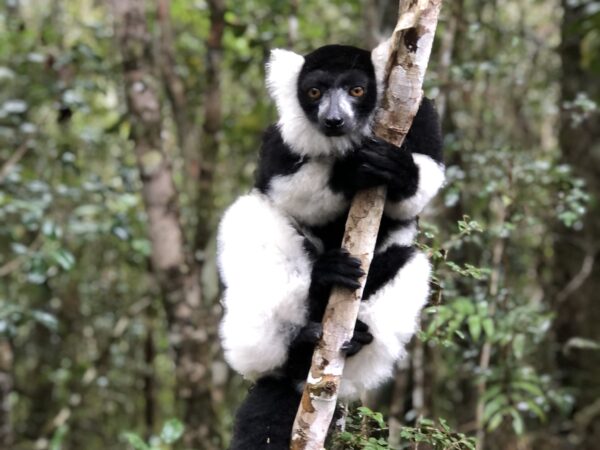
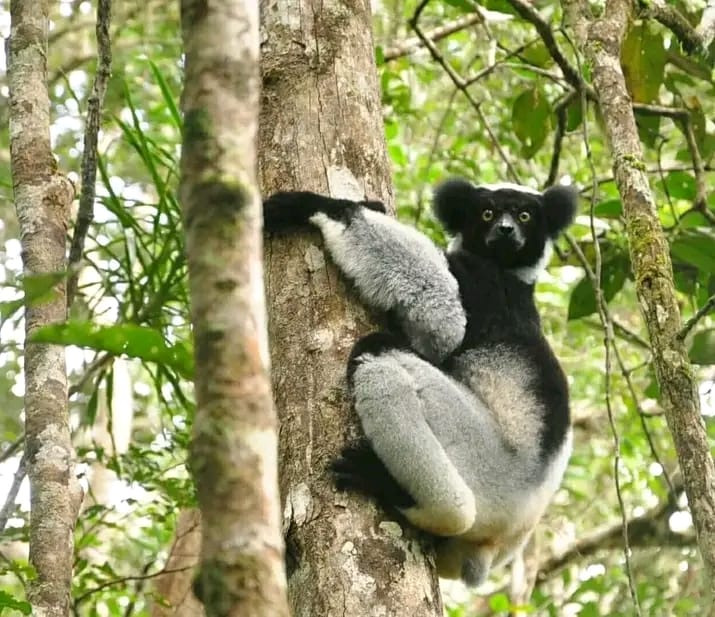
The Mahatsara Forest is a biodiversity stronghold of exceptional ecological value, supporting remarkably high species richness within a critical forest corridor in Madagascar. It harbours 13 species of lemurs, including three that are Critically Endangered, alongside an extraordinary diversity of other wildlife. The forest is home to around 100 bird species, 50 amphibian species, hundreds of reptile species, four carnivore species and an estimated 1,000 plant species, making it one of the most biologically important forest landscapes in the region.
Threats

Habitat loss & degradation

Over-exploitation of natural resources & prey depletion

Poaching
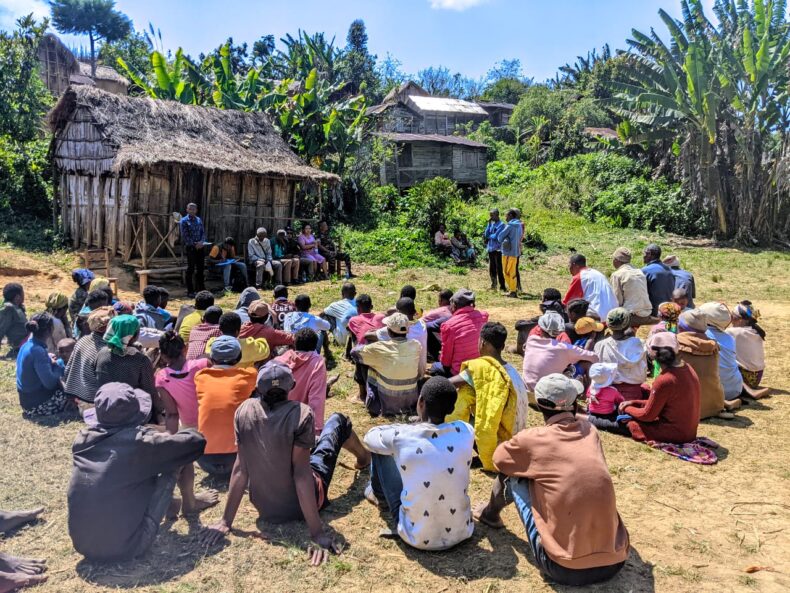
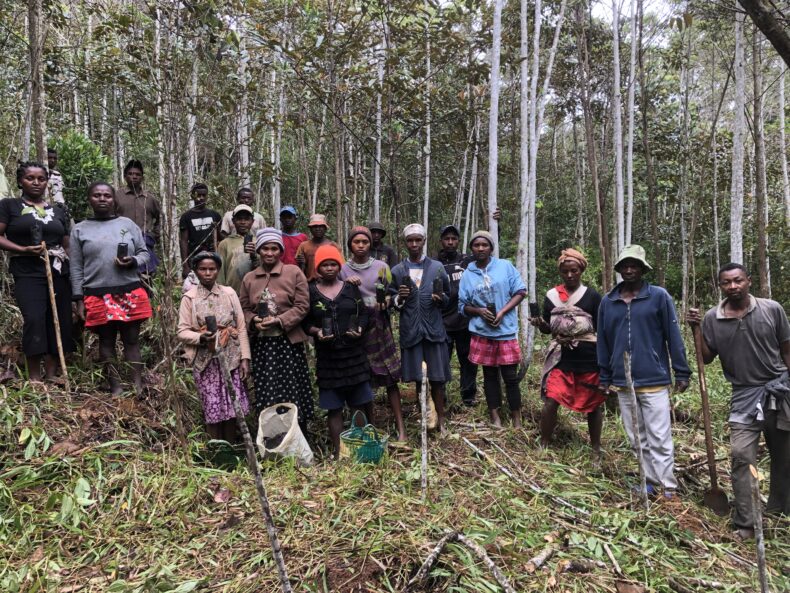
Beyond its biodiversity value, Mahatsara Forest plays a vital role in sustaining local livelihoods by providing essential ecosystem services, including water regulation, forest resources and climate resilience. Importantly, the forest also represents a strong opportunity for effective, long-term conservation. Local communities have demonstrated a clear commitment to engaging in the protection and sustainable management of the forest, recognising its importance for wildlife, ecosystem services and their own well-being. This project builds on that local momentum to safeguard Mahatsara Forest as a functioning, connected habitat for threatened species while reinforcing community stewardship. By combining biodiversity conservation with community engagement and sustainable management, the project aims to secure this vital forest corridor for both people and nature over the long term.
This project is implemented by the ONG Association des Guides Andasibe (AGA).
Project objectives
The goal of this project is to reduce threats to the ecological integrity of the Mahatsara community forest and strengthen the protection of its Critically Endangered lemur species. Specifically, the project aims to:
- Reduce direct and indirect threats to Mahatsara Forest through improved community-led forest protection and sustainable management.
- Improve the protection and long-term viability of Critically Endangered lemurs.
- Strengthen community stewardship and governance, supporting local engagement in forest management and conservation decision-making.
- Safeguard essential ecosystem services provided by the forest, benefiting both biodiversity and local livelihoods.
Project activities
Building on conservation efforts initiated under SOS Lemurs Phase I, this project scales up and refines approaches piloted in the Mahatsara Forest to establish an effective, community-led model for long-term conservation. Drawing on lessons learned and achievements from the previous phase, the project will address both ecological and socioeconomic challenges through an integrated set of activities, including:
- Environmental awareness and outreach, engaging local communities to strengthen understanding of forest values, threatened lemurs and the benefits of sustainable resource management.
- Habitat restoration, focusing on rehabilitating degraded forest areas to improve habitat quality and connectivity for lemur populations.
- Lemur monitoring, implementing systematic surveys to track population trends of Critically Endangered species and assess conservation outcomes.
- Local skills development, building community capacity through training and livelihood-related skills that support sustainable forest management and long-term stewardship.