MYNA-OUT (Italy)
Project description
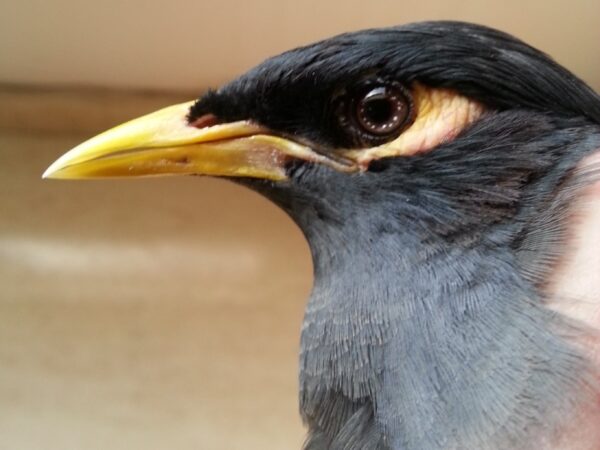
The MYNA-OUT project aims to prevent the establishment and spread of the invasive common myna (Acridotheres tristis) in Italy. This highly adaptable species is known to compete aggressively with native birds and can rapidly expand if not controlled at an early stage.
Threats

Invasive alien species
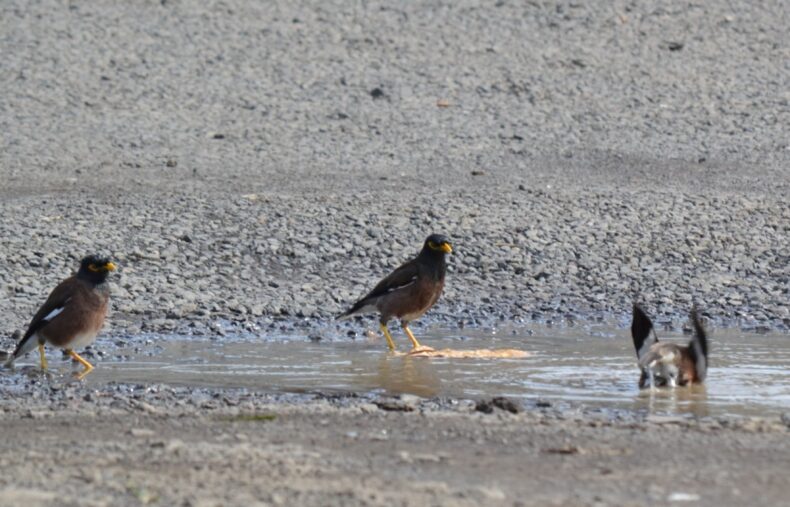
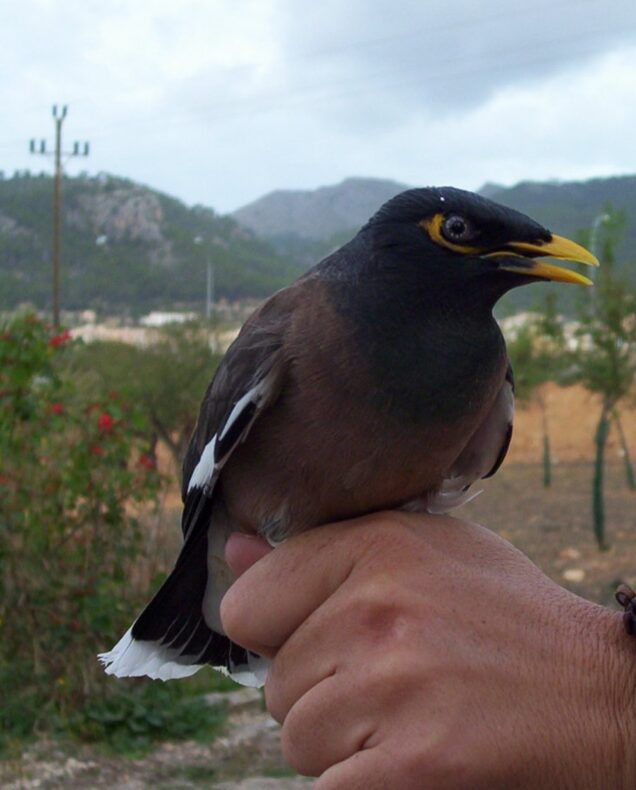
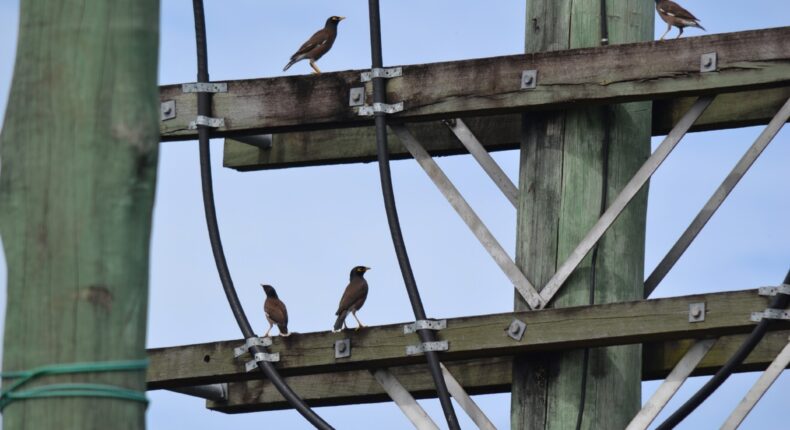
The project focuses on two small populations in southern Italy, where the species is still at an early stage of invasion. This provides a critical window of opportunity for complete eradication before it becomes widely established.
By combining field monitoring, targeted eradication measures and scientific analysis, the project will address both immediate control needs and longer-term prevention. It also strengthens collaboration between research institutions and authorities, contributing to more effective management of invasive bird species in the future.
This project is implemented by the Consiglio Nazionale delle Ricerche – Istituto di Ricerca sugli Ecosistemi Terrestri – Sede di Sesto Fiorentino (Firenze).
Project objectives
The project aims to detect, monitor and eradicate the common myna from Italy while it is still at an early stage of invasion. It seeks to prevent further spread and reduce risks to native biodiversity, including competition for nesting sites and predation on native species.
The project also aims to improve understanding of introduction pathways through genetic analysis, supporting more effective prevention strategies.
Finally, it aims to strengthen national capacity for early detection and rapid response to invasive species, including through stakeholder engagement and citizen science.
Project activities
- Monitor populations and distribution: Conduct field surveys to locate individuals, identify breeding sites and track spread.
- Implement eradication measures: Apply selective trapping and nest removal to eliminate populations.
- Carry out genetic analyses: Investigate origins and introduction pathways of the species.
- Strengthen detection and response systems: Coordinate protocols and collaboration between experts and authorities.
- Engage stakeholders and citizen scientists: Provide training and encourage reporting to support long-term monitoring.