Eradication of the raccoon in the Thayatal and Podyjí National Parks (Austria and Czech Republic)
Project description
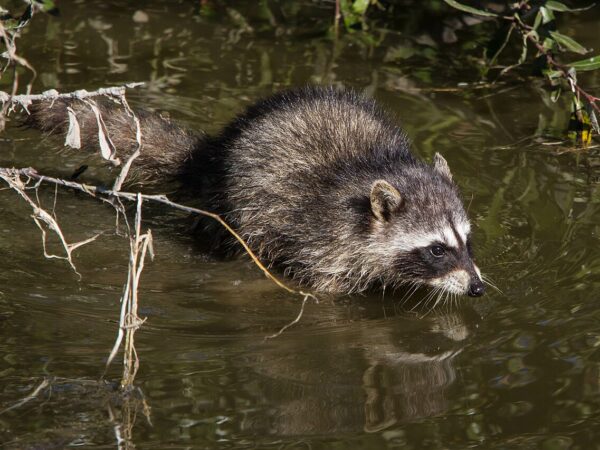
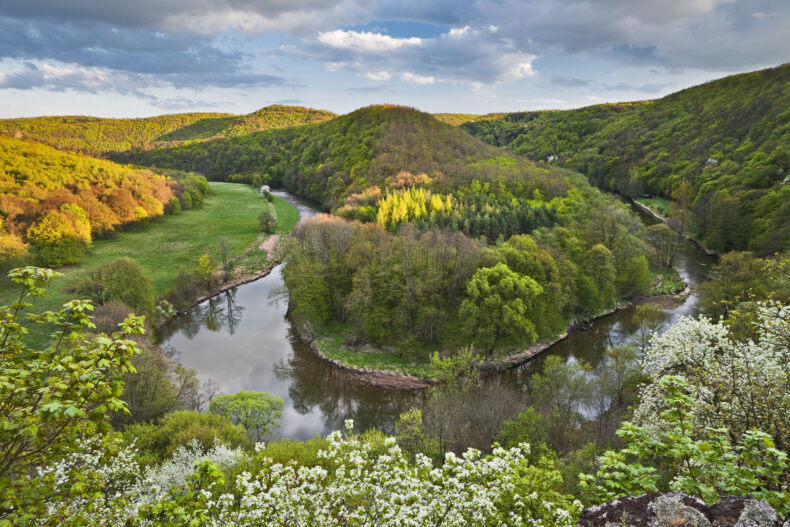
The project aims to eradicate the invasive raccoon (Procyon lotor) from the transboundary National Parks Thayatal (Austria) and Podyjí (Czech Republic) and adjacent forest areas. First records of raccoons in the region date back to 2018, with evidence of reproduction and recent expansion confirmed by trail cameras. As both parks are important Natura 2000 biodiversity hotspots, the spread of raccoons poses a serious threat to ground-nesting birds and the highly vulnerable European wildcat population through predation, competition and disease transmission.
Threats

Invasive alien species
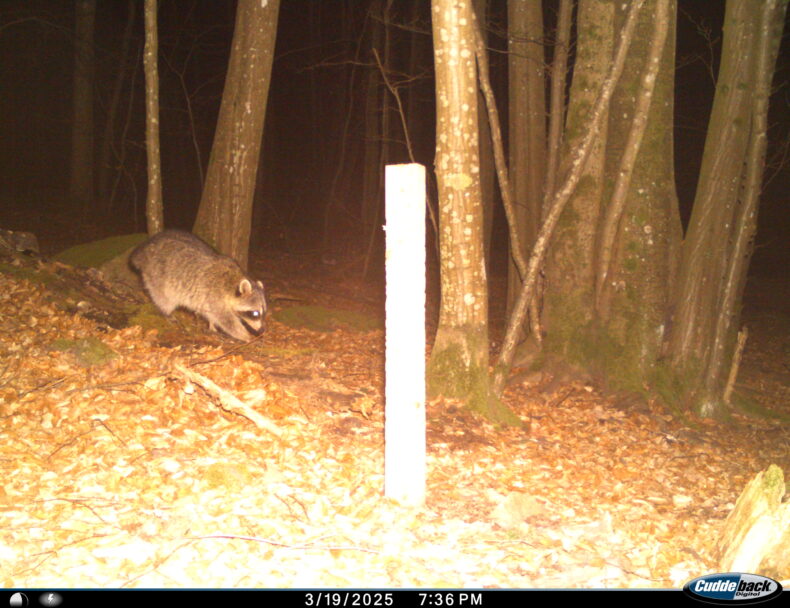
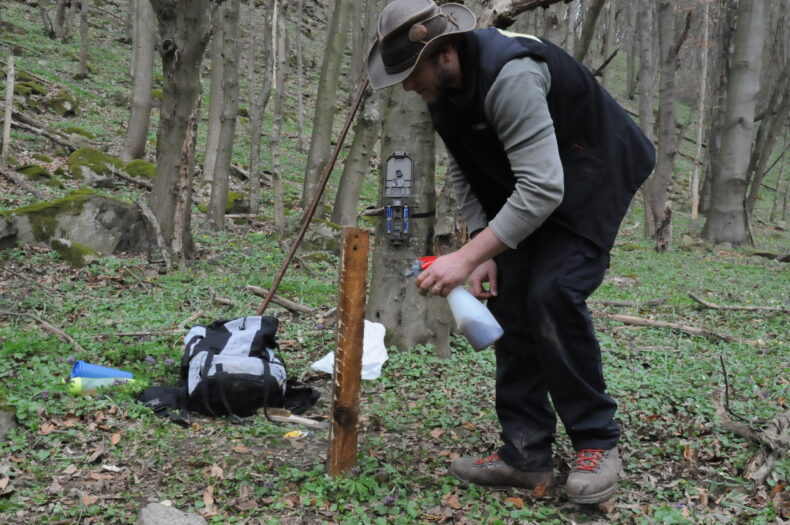
The project will implement a coordinated cross-border eradication campaign using live box traps equipped with alarm systems to ensure humane treatment and rapid response times. Three trapping sessions will be carried out during 2026, supported by long-term monitoring with trail cameras. Local hunters will be involved through awareness activities and future monitoring efforts to ensure sustainable prevention of reinvasion and long-term protection of biodiversity in the region.
Project objectives
The main objective of the project is to achieve the complete eradication of the invasive raccoon (Procyon lotor) population from the transboundary National Parks Thayatal and Podyjí and their surrounding woodland areas. By removing this early-stage invasive population, the project aims to prevent further spread of the species in the Austrian–Czech border region and to establish an effective cross-border response model for invasive mammal management.
A further objective is to protect the outstanding biodiversity of these Natura 2000 sites, particularly vulnerable ground-nesting bird species and the small, isolated population of the European wildcat. In addition, the project seeks to strengthen awareness and engagement among regional hunting communities to ensure rapid detection and response to any future reinvasion after the project has ended.
Project activities
- Implementation of three coordinated trapping campaigns (late winter, late summer, and autumn) using humane live box traps equipped with alarm systems to rapidly remove raccoons from the project area.
- Deployment of camera traps and monitoring surveys to assess raccoon presence, measure eradication success, and detect possible reinvasion at an early stage.
- Pre-baiting and targeted trapping operations in both National Parks and adjacent woodland habitats, following current IUCN recommendations for invasive raccoon management.
- Cooperation with local hunters and neighbouring hunting grounds through awareness meetings and information exchange to strengthen long-term monitoring and rapid response capacity.
- Establishment of a permanent cross-border monitoring network using retained box traps and trail cameras to ensure continued surveillance and future control of raccoon populations in the region.