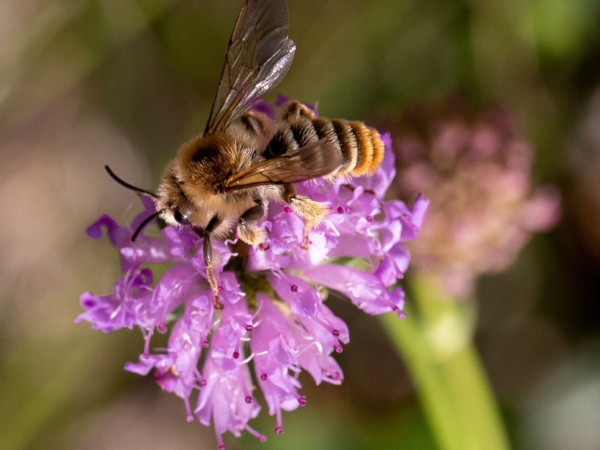
Conservation and monitoring of teasel-plant specialised bees (Italy)
Project description
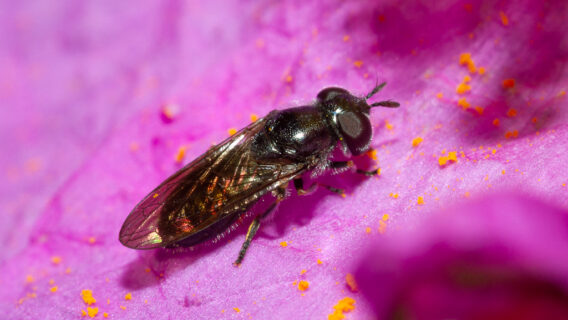
Wild pollinators are declining across Europe, and bees specialised on teasel plants are among the most threatened. Several of these species are classified as endangered or near threatened, and many now persist in small, isolated populations. Their survival is closely linked to specific host plants, such as Scabiosa, Knautia and Dipsacus, which are themselves declining due to changing land-use practices.
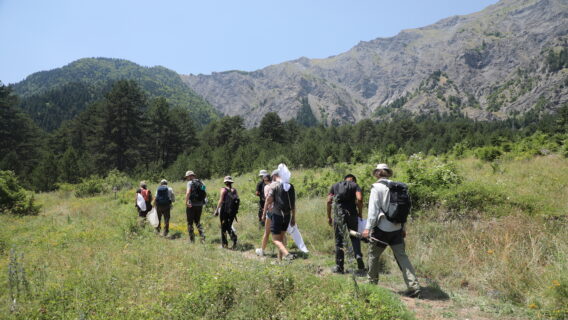
This project focuses on documenting these rare bees across Italy through targeted field surveys at multiple sites, both within and outside protected areas. By observing foraging behaviour, searching for nesting sites and mapping occurrences, the project will generate new data on their distribution, ecology and associated habitats.
Threats

Habitat loss & degradation

Impact of agricultural practices
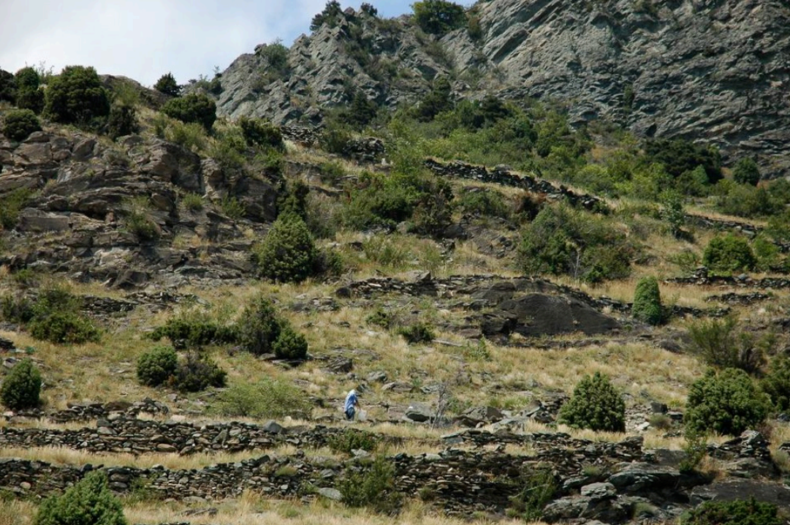
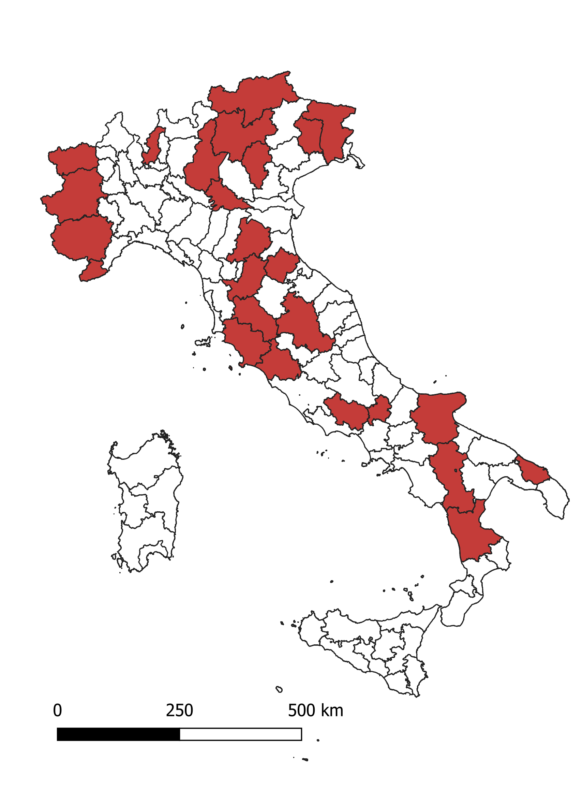
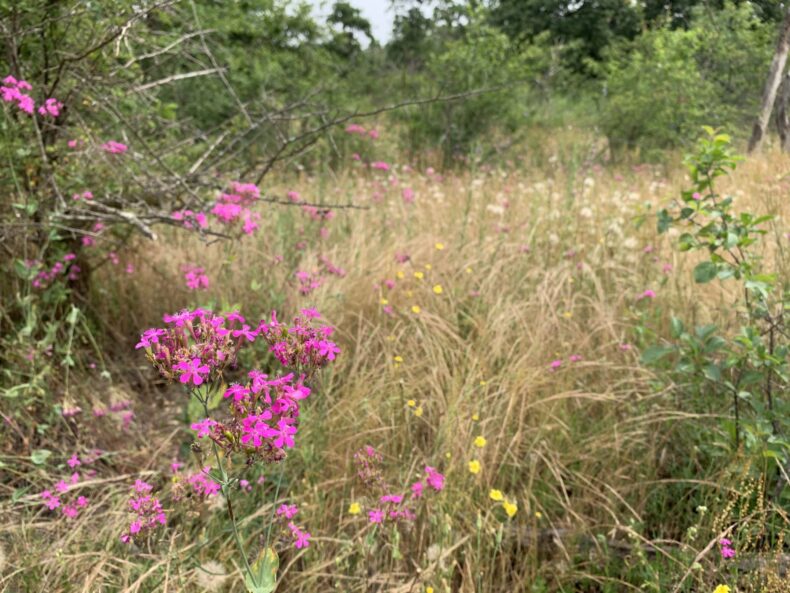
In parallel, the project aims to raise awareness among local communities about these specialised pollinators, the threats they face and the importance of managing habitats appropriately. By combining research with outreach, it seeks to support both conservation action and long-term monitoring.
Project objectives
The project aims to assess the presence and distribution of endangered teasel-specialist bees across selected sites in Italy, improving knowledge of their populations and habitats. It seeks to better understand their ecology and behaviour, including foraging activity, nesting habits and interactions with other pollinators and species.
The project also aims to expand distribution data and support conservation planning by identifying key habitats and potential threats.
Finally, it aims to raise awareness among local communities and stakeholders, encouraging improved habitat management and participation in monitoring efforts.
Project activities
- Monitor target species and habitats: Conduct field surveys, including observation and video recording, to detect bees and nesting sites.
- Document behaviour and ecology: Record foraging activity, nesting behaviour and associated species.
- Raise awareness through events: Organise talks and local activities to inform communities and promote conservation.
- Develop educational materials: Produce guides and communication materials to support identification and reporting of species.