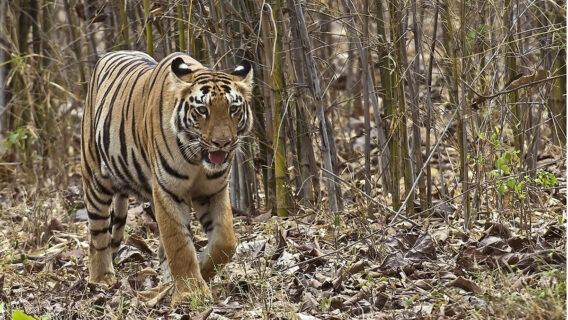
Peer learning across tiger landscapes: ITHCP’s new Grantees Exchange Programme
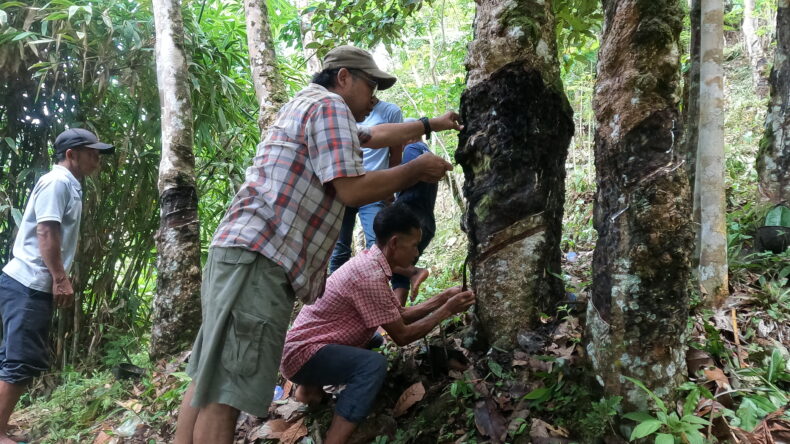
Implemented by IUCN and funded by the German Development Cooperation through KfW, the exchange programme provides targeted support for ITHCP partners funded to deliver conservation action on the ground (the ITHCP grantees) to visit one another’s project sites, observe field implementation first-hand, and adapt successful approaches to their own landscapes. The aim is simple but powerful: move beyond reports and workshops and learn directly from what works on the ground.
Peer learning across tiger landscapes
In its first round of exchanges, ITHCP’s newly launched Grantees Exchange Programme has already connected conservation teams across three priority tiger landscapes.
The first round of exchanges supported three visits:
- Wildlife Trust of India (WTI) was hosted by YAPEKA in Indonesia’s Rimbang Baling landscape
- Zoological Society of London (ZSL) was hosted by WildTeam in Bangladesh’s Sundarbans
- YAPEKA was hosted by ZSL Nepal in Nepal’s Terai Arc
Learning from community-led conservation in Indonesia
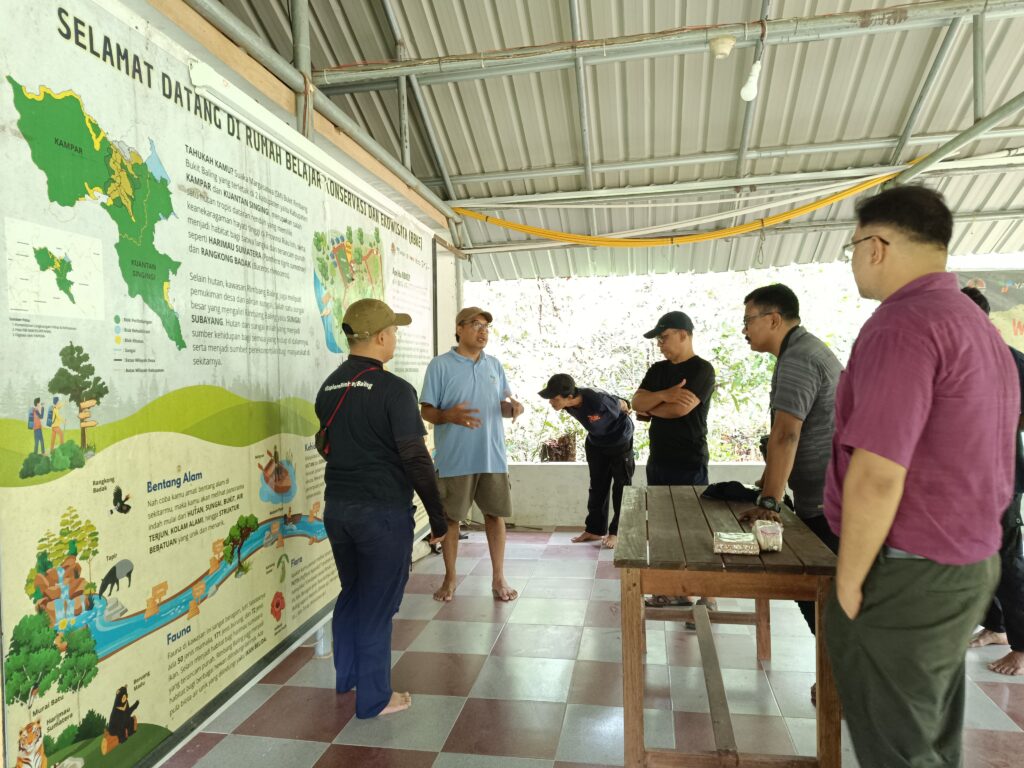
During the exchange between WTI and YAPEKA, Indian practitioners visited community-managed conservation initiatives in Indonesia’s Rimbang Baling landscape. The visit highlighted how customary institutions and youth groups known as Dubalang Adatplay a central role in forest protection, wildlife monitoring and the enforcement of customary rules to promote sustainable natural resource use.
WTI teams also observed innovative livelihood approaches, including community-led agroforestry systems and improved rubber value chains, which reduce pressure on forests while strengthening household income. These experiences are informing new approaches in the Indian Sundarbans, where WTI plans to expand the role of community response teams in wildlife monitoring and explore agroforestry as a climate-resilient livelihood option.
This ITHCP exchange between Rimbang Baling and the Sundarbans reaffirmed a simple but profound truth: people protect what they feel deeply connected to. When culture, faith, livelihoods, and ecology are woven together, conservation becomes a shared responsibility rather than an external intervention. Witnessing the Rimbang Baling community rise from the grassroots to resist palm oil expansion through agrobiodiversity was both humbling and deeply inspiring.
— Prosenjit Sheel, Project Head, Sundarban Tiger Project, Wildlife Trust of India
© WTI
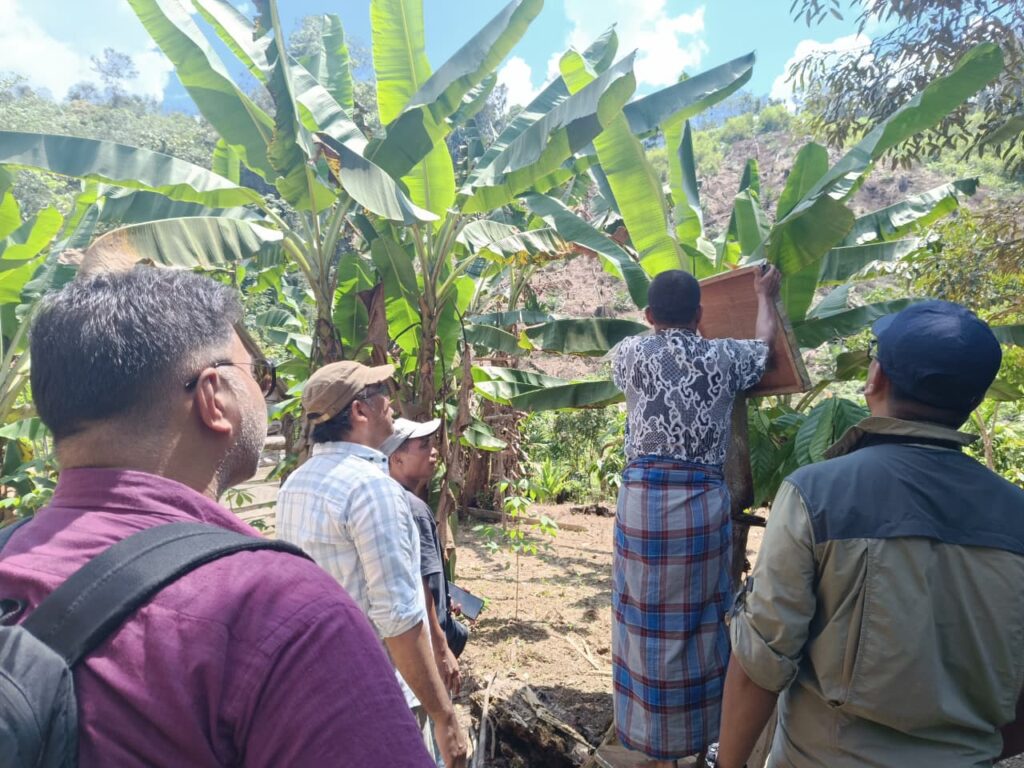
Exchange between Nepal and Indonesia: scaling coexistence models
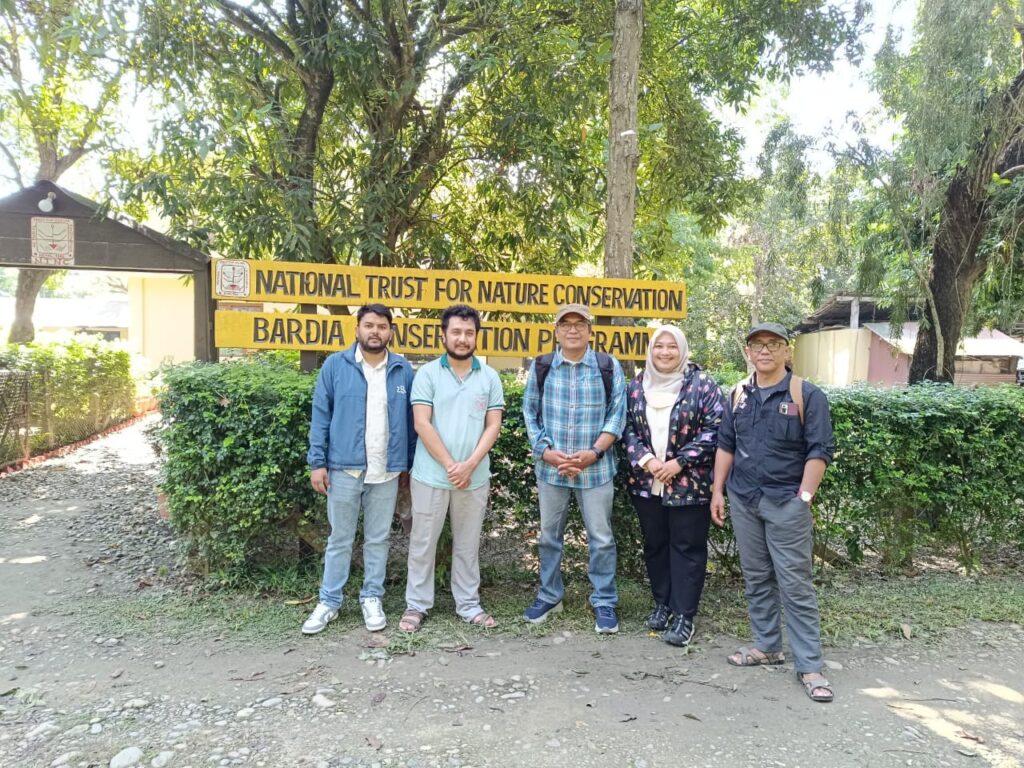
A second exchange brought representatives of the YAPEKA-led KERABAT Consortium to Nepal, hosted by ZSL Nepal, to learn from community-based coexistence approaches in and around Banke and Bardia National Parks.
Participants examined how predator-proof corrals, rapid response systems, community banking schemes, and habitat management practices, such as grassland and waterhole management, contribute to reduced conflict and healthier tiger populations. The visit also highlighted the importance of cross-sector collaboration, including the role of national park authorities and security forces in enforcement and monitoring.
These lessons are now being adapted in Indonesia’s Rimbang Baling landscape, particularly to strengthen conflict mitigation, community incentives and integrated habitat management.
Learning from Bangladesh’s tiger-tolerant villages
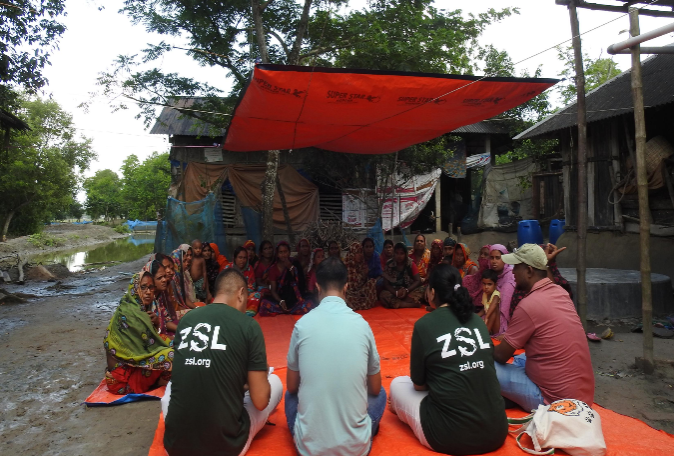
In Bangladesh, ZSL Nepal teams were hosted by WildTeam in the Sundarbans, where they observed the long-standing tiger-tolerant villages model. Solutions such as improved cookstoves, solar streetlights, and village tiger response teams, have significantly reduced human–tiger encounters while lowering dependence on forest resources.
The exchange also showcased strong community stewardship through groups such as Bagh Bandhu (friends of the tiger), school-based Tiger Scouts, and youth mentors, reinforcing conservation ethics across generations. Insights from Bangladesh are informing refinements to community-based conflict response and livelihood support mechanisms in Nepal’s Terai Arc Landscape.
The ITHCP Grantees Exchange Program visit to the Sundarbans was a valuable learning experience for the ZSL Nepal team. Witnessing community-based conservation in action in a unique mangrove landscape helped us understand new approaches and ideas for tiger conservation-related activities, like the Village Tiger Response Teams and Forest Tiger Response Teams, that can be applied in our work in Nepal. The visit strengthened our belief and commitment in learning together and working across borders to protect nature and support local communities.
— Asmita Pandey, Zoological Society of London
© ZSL
Turning exchange into impact
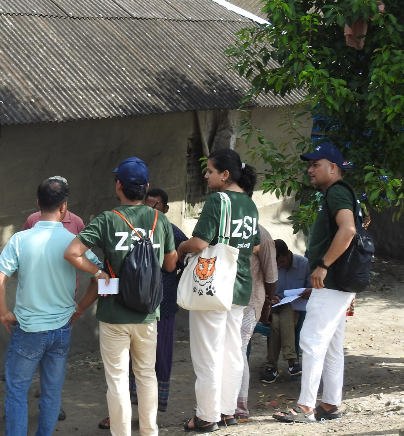
Across all three visits, a common message emerged: conservation works best when communities are empowered as partners and leaders. The ITHCP Grantees Exchange Programme has enabled practitioners to move beyond theory, directly observing what works on the ground and building lasting professional relationships across countries.
By translating shared learning into improved patrol systems, conflict mitigation protocols, livelihood strategies and youth engagement models, ITHCP partners are strengthening the long-term impact of conservation investments across tiger landscapes.
As the programme continues, future exchange rounds will further support collaboration, innovation and knowledge sharing, helping ensure that successful approaches are adapted and scaled where they are needed most.
Learn more about ITHCP