Living alongside wildlife: new IUCN study reveals what works for human–wildlife coexistence in Africa
Across Africa, living alongside wildlife can come at a high cost. For a pastoralist family, losing livestock to lions can threaten an entire livelihood. For farmers, elephants entering fields can destroy months of work overnight. And for threatened species, these encounters can trigger retaliatory killings that undermine years of conservation progress.
Yet across the continent, conservation projects are demonstrating how conflict preparedness, management and mitigation benefits people and wildlife.
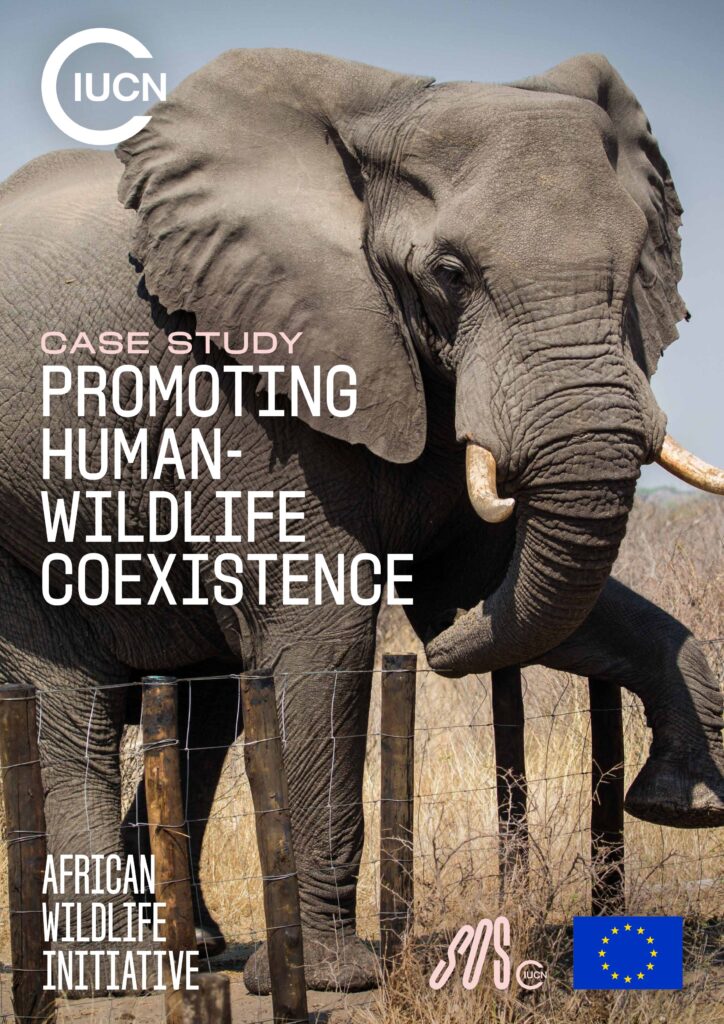
A new case study released by the IUCN Save Our Species African Wildlife Initiative (SOS AWI), Promoting human-wildlife coexistence, brings together lessons from seven conservation projects across Africa, showing how locally led approaches, practical prevention measures and stronger community partnerships can reduce conflict while protecting both people and wildlife.
The publicationis the third and final thematic case study from SOS AWI, funded by the European Union. It follows earlier studies on invasive alien species management and the effectiveness of conservation approaches.
A growing challenge for people and wildlife
As human populations grow and agricultural land expands into wildlife habitats, encounters between people and wild animals are becoming increasingly difficult to manage.
Large carnivores such as lions, cheetahs and African wild dogs can threaten livestock, while elephants and other wildlife can damage crops, infrastructure and property. For communities whose livelihoods depend on farming and pastoralism, these losses can have devastating consequences.
Human–wildlife conflict is therefore not simply a conservation challenge. It is also a question of livelihoods, food security, safety and the relationships between communities and the institutions responsible for wildlife management.
Between 2017 and 2025, SOS AWI invested in 30 projects promoting human–wildlife coexistence across 13 African countries. Together, these initiatives reached more than 500,000 people and helped safeguard over 22 million hectares of habitat.
Across the portfolio, 1,972 predator-proof enclosures were deployed alongside livestock guarding dogs, early warning systems, fencing and community response teams. In targeted landscapes, these combined interventions contributed to reductions in livestock predation ranging from 50% to 86%.
The findings demonstrate that effective coexistence is possible when conservation interventions respond to the needs of both people and wildlife.
Proof from the field: Seven approaches to coexistence
The new publication examines seven projects in Kenya, Namibia, Botswana, Cameroon, Zambia, Tanzania and Niger, each demonstrating how different combinations of conservation measures can address local challenges.
Namibia: Technology helping people and lions coexist
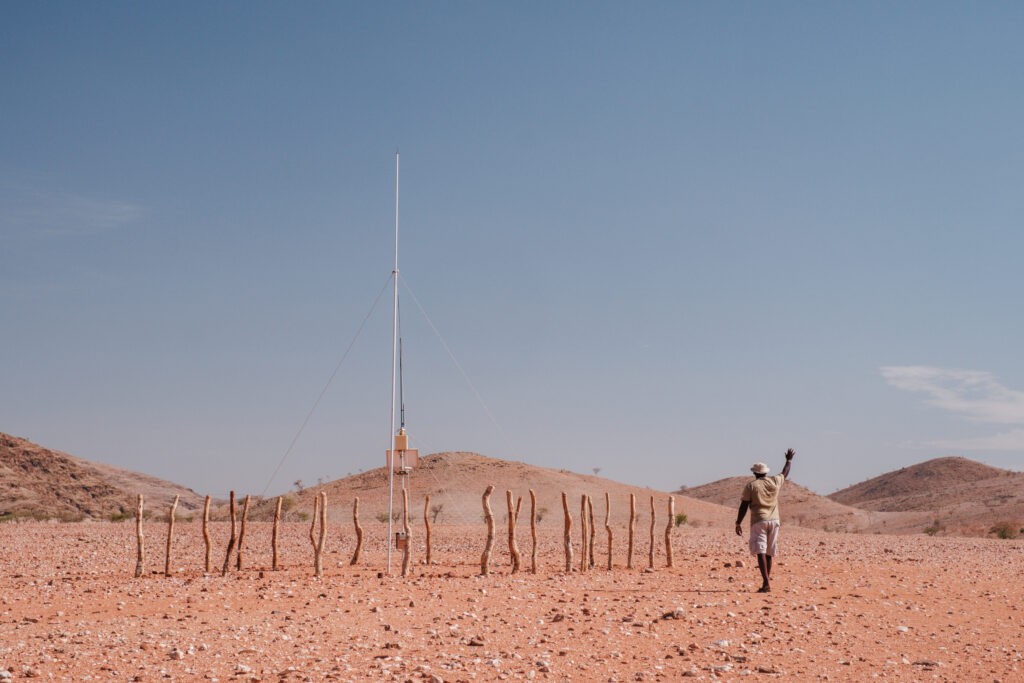
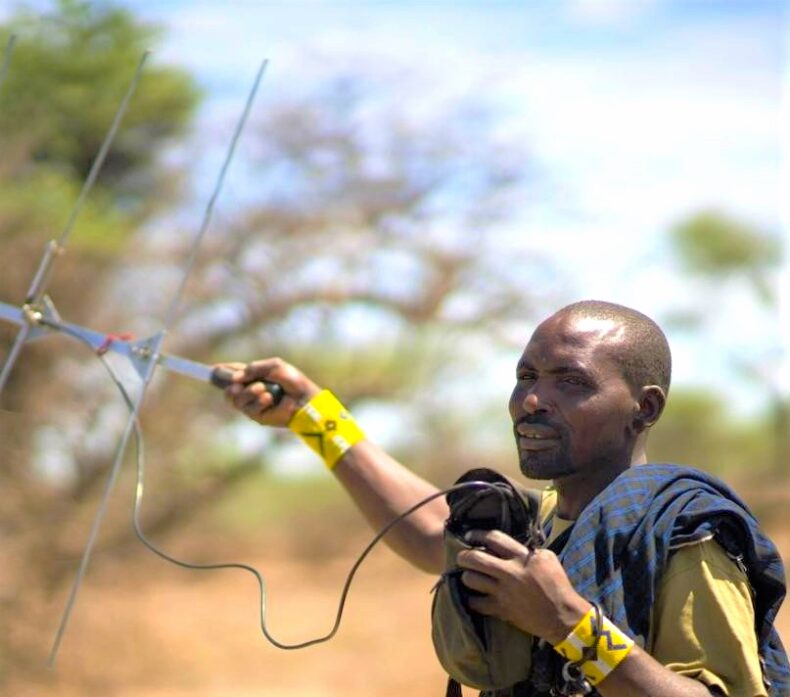
In Namibia’s Kunene Region, a project led by Integrated Rural Development and Nature Conservation (IRDNC) combined GPS-based lion tracking, early warning systems and reinforced livestock enclosures with community-led monitoring. More than 50 lions were fitted with tracking collars and 111 community rangers and support team members were trained. Livestock predation declined by over 50% in key hotspots, while suspected farmer-caused lion deaths fell from 12 in 2018–2019 to three confirmed incidents between 2021–2022.
Botswana: Protecting livestock and livelihoods
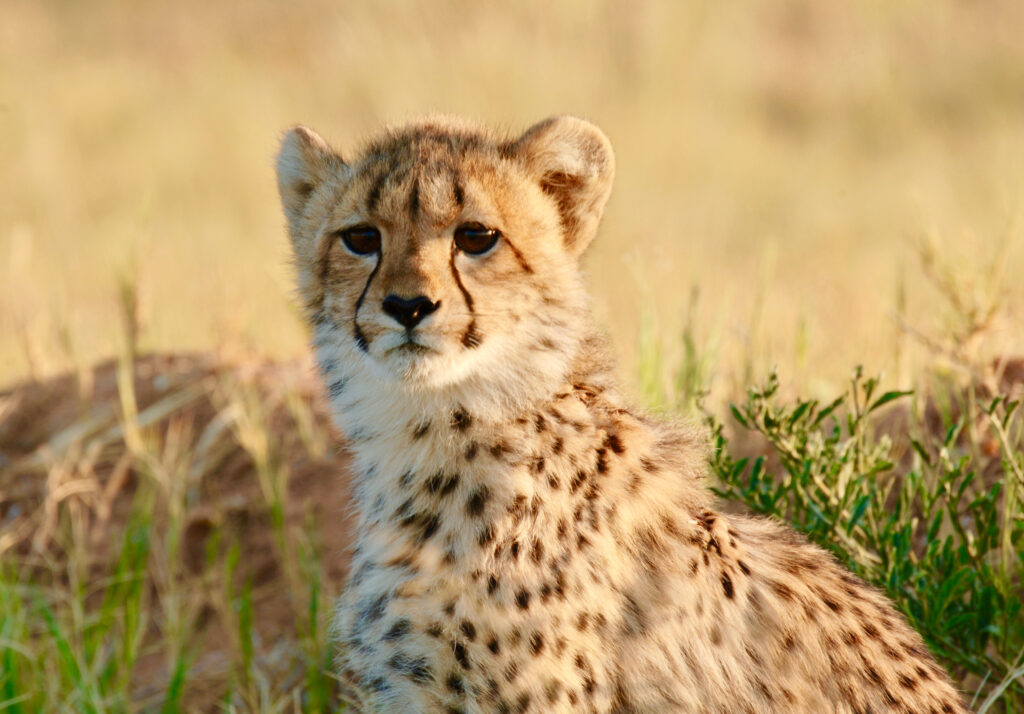
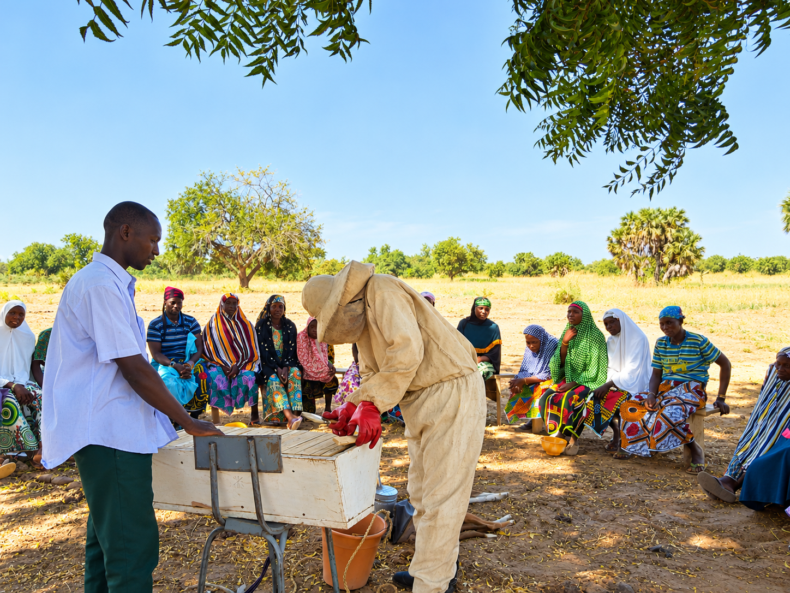
In Botswana’s Western Kalahari, Cheetah Conservation Botswana worked with 396 farmers to improve livestock protection, distributing 73 livestock guarding dogs and introducing better herding practices. Livestock predation among participating farmers declined by 86%, while overall conflict reports fell by 26%. The project also supported 137 community members in developing alternative livelihoods, strengthening economic resilience alongside cheetah conservation.
Zambia: Creating safer boundaries for people and elephants
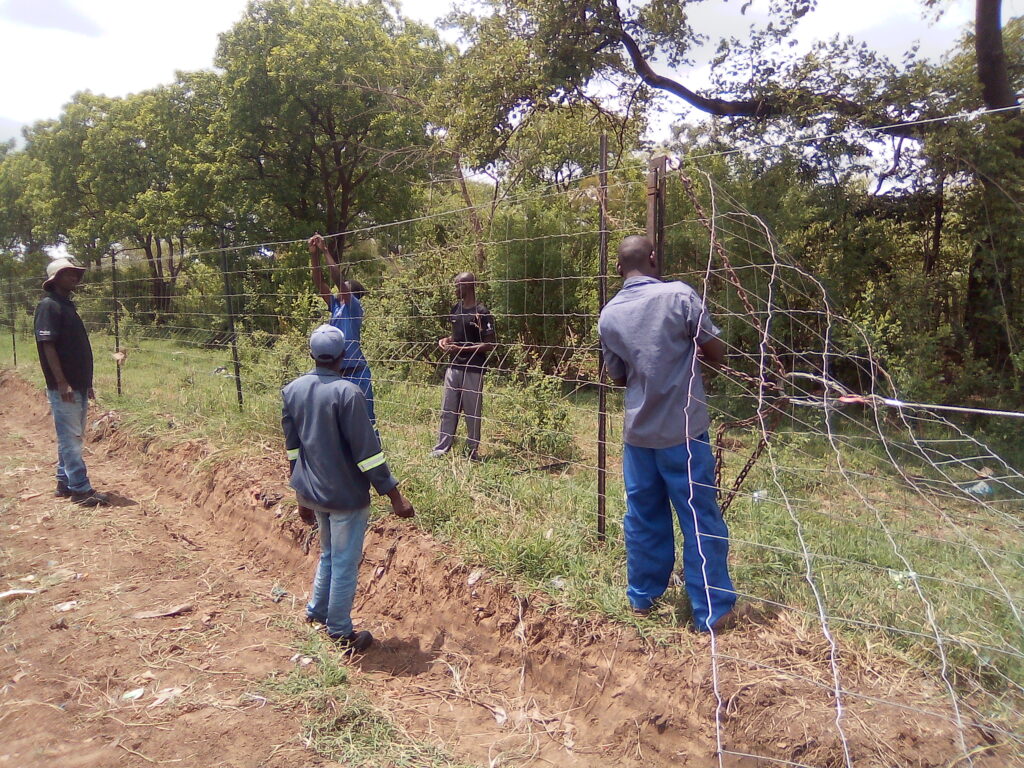
In Zambia’s Mosi-oa-Tunya landscape, Elephant Connection restored a five-kilometre solar-powered electrified fence to prevent elephants from entering nearby settlements. Combined with training for park authorities, the intervention achieved a reported 100% reduction in conflict along the targeted boundary, improving safety for approximately 600 residents while helping protect a local population of around 150 elephants.
Community leadership at the heart of coexistence
Other projects across the portfolio demonstrate the importance of strong local institutions and community participation.
- In Kenya’s Southern Rift Valley, the South Rift Association of Landowners strengthened a community-based carnivore response network, training 103 local personnel and establishing coordinated response mechanisms to address conflict involving lions, cheetahs and African wild dogs. Mapping of 35,000 homesteads also helped integrate wildlife corridors into land-use planning.
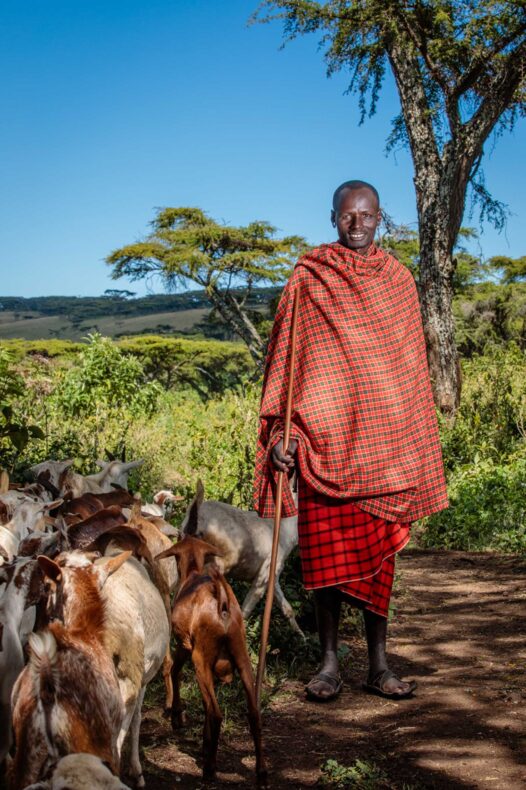
- In Tanzania’s Ngorongoro Conservation Area, KopeLion worked with locally recruited lion guardians, known as Ilchokuti, to monitor lions, strengthen livestock protection and prevent retaliatory killings. The project recorded zero retaliatory lion killings during the reporting period and helped secure an additional 304 km² of wildlife corridor.
- In Cameroon, a project led by Biodiversity, Environment and Sustainable Development (BEDD) combined community engagement, eco-guard training and improved livestock protection to reduce cattle losses around Mpem-Djim National Park, where a small lion population had reappeared after decades of local absence. The project contributed to a reported dramatic reduction in livestock losses, with only one reported cattle-loss incident by project completion, compared to 80–90 cattle killed prior to its implementation.
- And in Niger’s Parc W complex, a project led by Contribution à la Gestion des Zones Humides combined habitat restoration, conflict monitoring and livelihood support, contributing to a 73% increase in the giraffe population by the project’s end while restoring more than 250 hectares of degraded land.
Together, these examples show that coexistence requires solutions adapted to the ecological, social and economic realities of each landscape.
What makes human–wildlife coexistence successful?
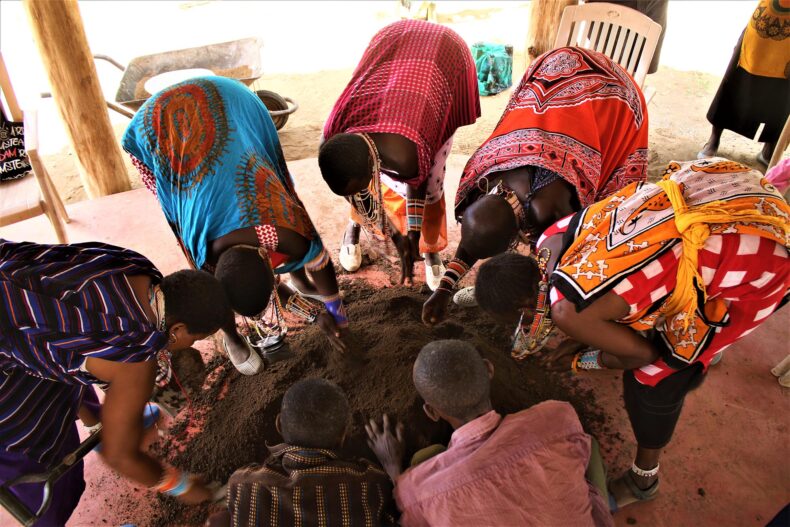
A central finding of the case study is that no single intervention can resolve human–wildlife conflict on its own. Physical protection measures, such as predator-proof enclosures and electrified fences, can deliver immediate results. Early warning systems and rapid response teams help communities anticipate and manage encounters before they escalate.
However, the most effective approaches go further, addressing the underlying pressures that bring people and wildlife into conflict.
Across the seven projects, several lessons emerge:
- Start with local realities. Understanding where conflict occurs, who bears its costs and what drives it is essential to designing effective responses.
- Put communities at the centre. Locally led monitoring, decision-making and conflict response build trust and strengthen long-term conservation ownership.
- Combine prevention with livelihood support. Protecting livestock and crops, while reducing economic vulnerability, helps create the conditions for greater tolerance towards wildlife.
- Protect habitats and wildlife corridors. Land-use planning and ecosystem restoration address the longer-term pressures that intensify encounters between people and wildlife.
- Connect local action to policy. Integrating project findings into national conservation strategies and land-use frameworks helps sustain and scale successful interventions.
The study also emphasises the importance of long-term financing, transparent governance and continuous monitoring. Lasting coexistence depends not only on reducing immediate losses but also on ensuring that communities have the resources, capacity and incentives to sustain conservation efforts.
Completing the picture of effective conservation in Africa
Launched in 2017 with support from the European Union, the SOS African Wildlife Initiative has channelled more than €10.8 million through 91 grants across 34 African countries, supporting threatened species conservation, habitat protection and locally led conservation action.
These findings will also contribute to the forthcoming synthesis publication, Safeguarding Africa’s wildlife: Lessons and results from the IUCN SOS African Wildlife Initiative (2017–2025), bringing together lessons from nearly a decade of conservation action.
As countries work towards the targets of the Kunming–Montreal Global Biodiversity Framework, the lessons from SOS AWI offer practical evidence for designing conservation programmes that deliver benefits for both nature and people.
Ultimately, the case study reinforces a fundamental principle: protecting wildlife and supporting communities are not competing priorities. When local knowledge, science and sustained investment come together, coexistence can become a practical and lasting conservation solution.
Explore the initiative