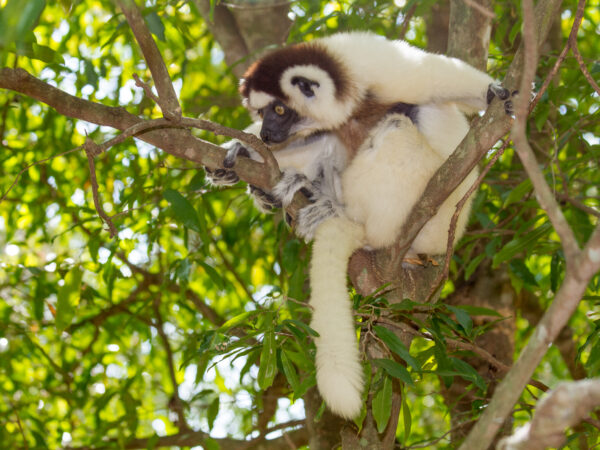
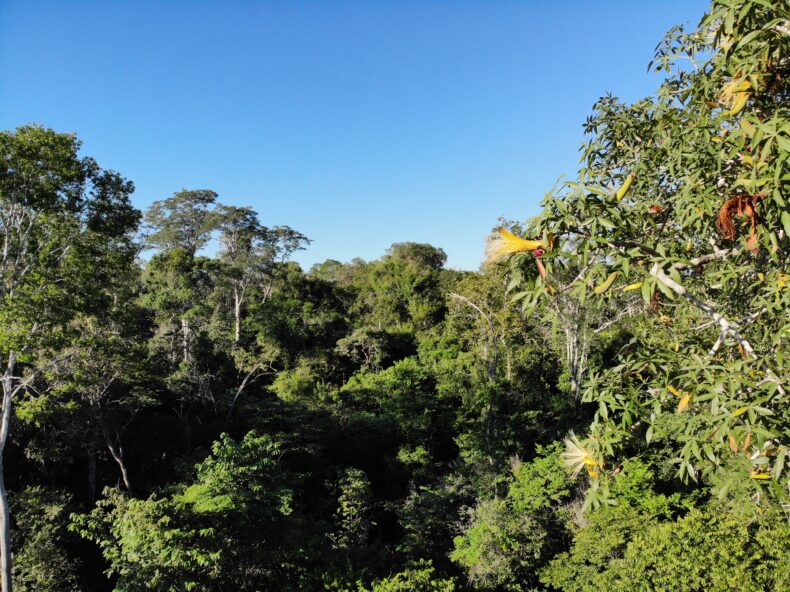
Strengthening protection efforts in the Kirindy Menabe forest, a critical habitat for seven threatened lemur species
Project description
Threats

Habitat loss & degradation

Human-wildlife conflict

Poaching
Building on results already achieved in reducing forest loss, the project strengthens a participatory conservation model and supports the development of sustainable economic alternatives, contributing to a more balanced coexistence between local communities and the region’s biodiversity.
This project is implemented by Chances for Nature Madagascar.
Project objectives
The project’s primary objective is to preserve the ecological integrity of the Kirindy forest in order to ensure the long-term conservation of threatened lemurs. It aims to deliver measurable conservation outcomes, including a sustained reduction in forest cover loss, improved conservation status of these species, and strengthened resilience of local communities. The project also seeks to generate reliable data on the distribution and status of lemur populations in still poorly studied areas, to better inform management decisions. Finally, it aims to promote the adoption of sustainable practices by local communities, contributing to reduced pressure on forest resources.
Project activities
- Strengthening and expanding community forest patrols, including training patrol members in environmental legislation and improving data collection systems.
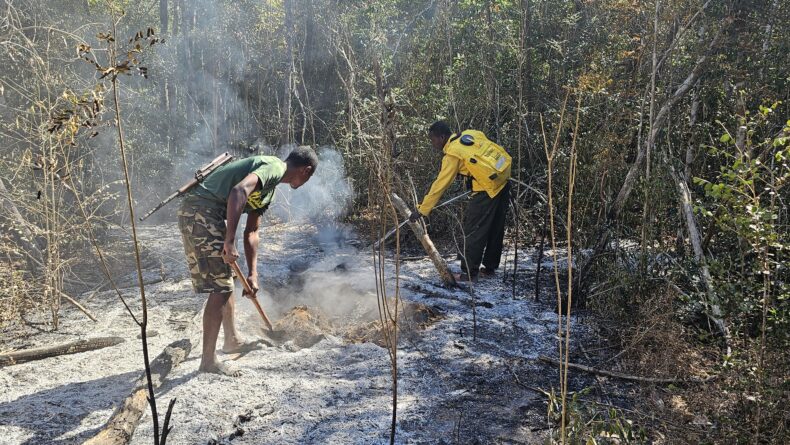
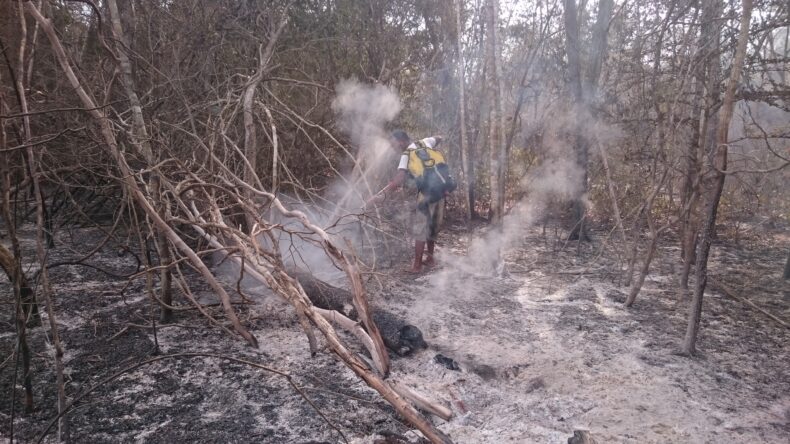
- Preventing and managing fires through the maintenance and creation of firebreaks, as well as equipping and building the capacity of local teams.
- Implementing ecological monitoring of lemurs using innovative tools to improve knowledge of their distribution and conservation status.
- Developing sustainable income-generating activities (such as poultry farming and agroforestry tree planting) for local communities to reduce pressure on the forest.
- Strengthening existing infrastructure and logistics to support conservation activities and environmental education.