An edible-insect based approach to reducing lemur hunting
Project description
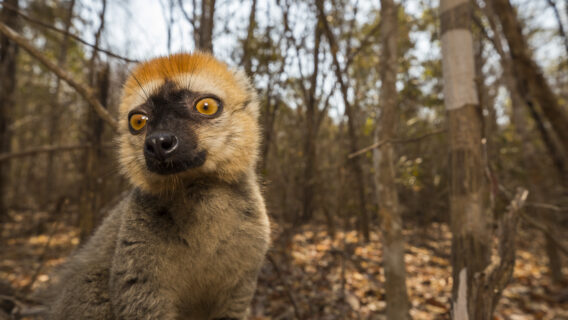
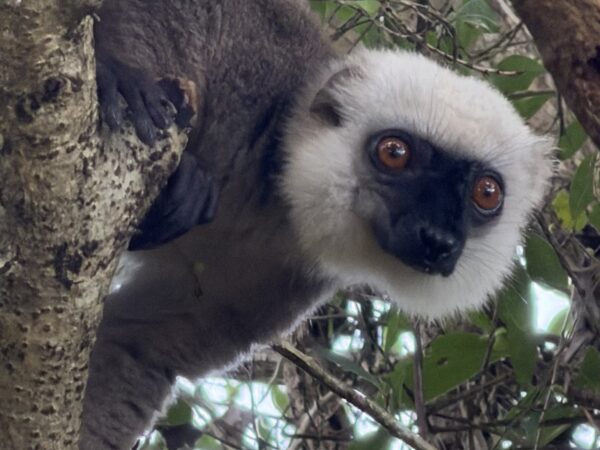
Madagascar’s Masoala Peninsula is a globally important biodiversity hotspot and home to ten threatened lemur species. However, many of these species are increasingly threatened by subsistence hunting, driven by food insecurity in remote communities.
Building on a successful first phase, this project scales up an innovative, nature-based solution: sakondry farming (the “bacon bug”). By providing a culturally appropriate, nutritious and affordable alternative to wild meat, the project aims to reduce pressure on lemur populations while improving local food security.
Threats

Poaching
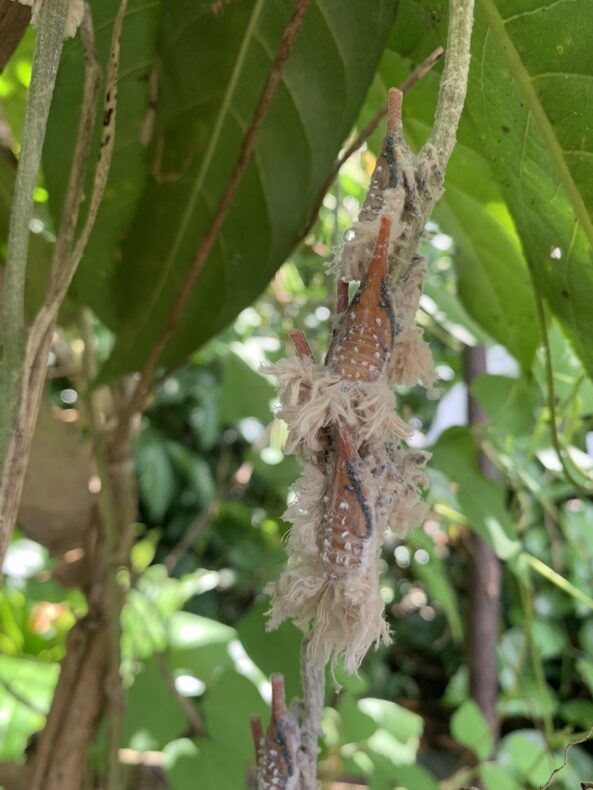
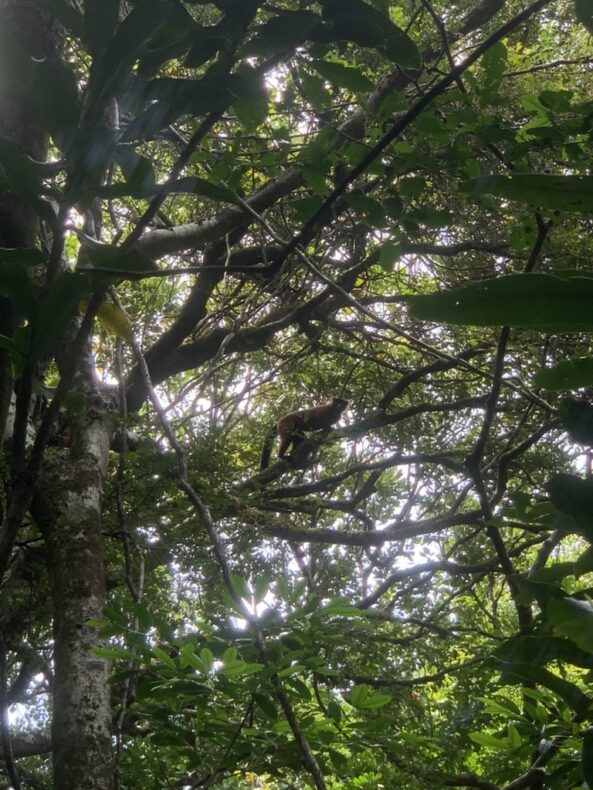
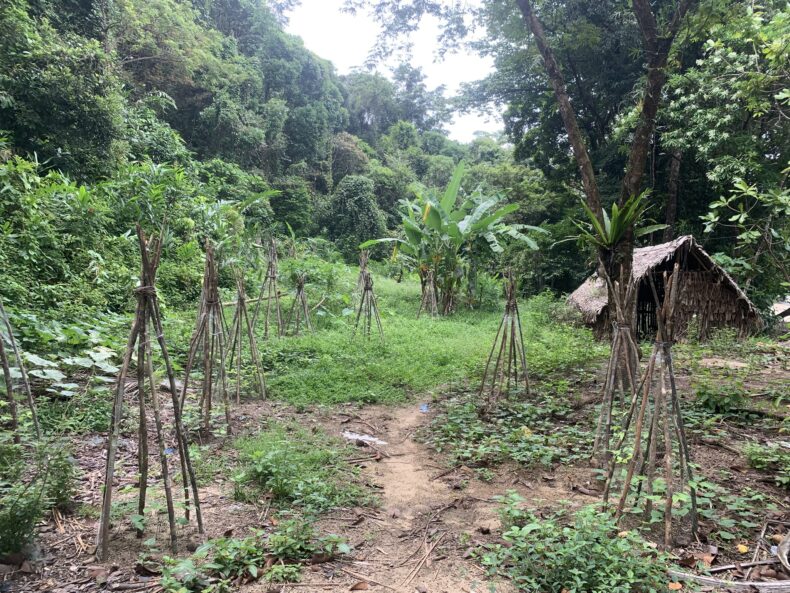
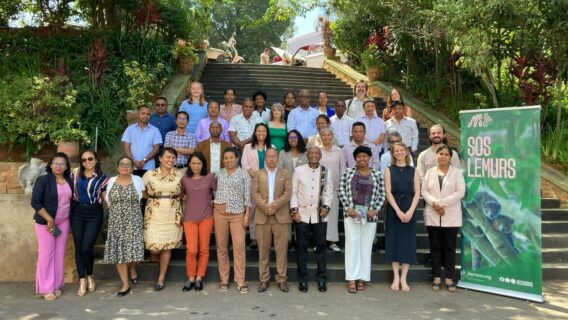
Led by Madagascar Biodiversity Center and supported by local peer trainers, the project works directly with 1,000 households living near the park. By combining sustainable livelihoods with conservation action, it promotes long-term behavioural change and strengthens community-led protection of biodiversity within this UNESCO World Heritage site.
This project is implemented by Madagascar Biodiversity Center.
Project objectives
The project aims to reduce subsistence hunting of lemurs by improving food security in communities surrounding Masoala National Park. It seeks to decrease hunting pressure on threatened lemur species, including red ruffed lemurs (Varecia rubra) and white-fronted brown lemurs (Eulemur albifrons).
The project also aims to support 1,000 households in adopting sustainable insect farming as an alternative source of nutrition and income.
Finally, it aims to promote long-term conservation by supporting livelihood transitions and reducing reliance on wild meat.
Project activities
- Train and support households: Deliver hands-on training in sakondry farming and support farm establishment for 1,000 families.
- Facilitate livelihood transitions: Support former hunters in developing alternative income-generating activities.
- Monitor lemur populations: Conduct field surveys to assess changes in population density.
- Assess social impact: Carry out interviews to evaluate changes in hunting behaviour and food consumption.