eDNA for Pollinators: a validation study (Croatia)
Project description
Monitoring pollinators is essential for conservation, but traditional survey methods can miss rare or difficult-to-detect species and often require specialised expertise. This project explores how environmental DNA (eDNA) can complement existing approaches and improve how pollinators are monitored.
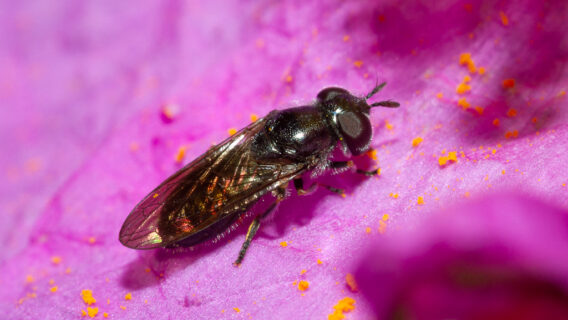
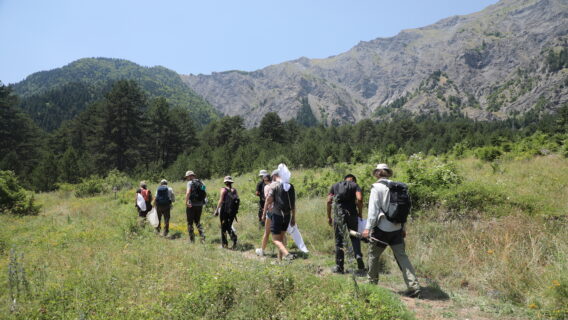
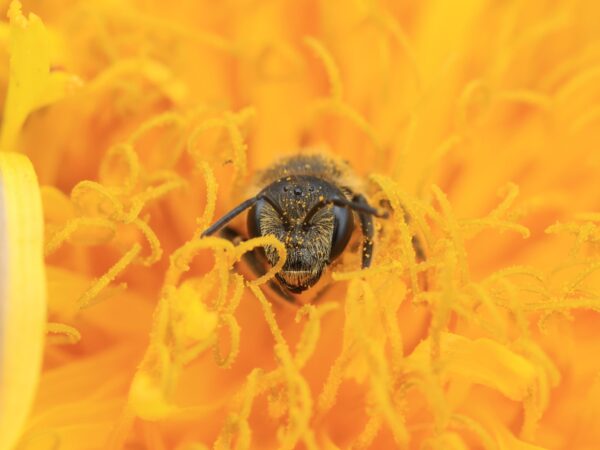
Focusing on meadow sites in Zagreb, Croatia, the project combines standard field surveys with three innovative eDNA methods: flower washes, pan-trap liquid analysis and air sampling. By comparing these approaches, it aims to better understand their strengths and limitations in detecting wild bees and hoverflies.
Threats

Climate change

Habitat loss & degradation

Impact of agricultural practices

Invasive alien species
Alongside research, the project promotes youth involvement, training and public engagement. It also contributes to strengthening local DNA reference libraries, supporting future monitoring efforts. By integrating innovation with capacity building and outreach, the project helps advance more effective and inclusive pollinator conservation.
This project is implemented by the Croatian Biology Research Society and the Biology Students Association – BIUS.
Project objectives
The project aims to evaluate whether environmental DNA methods can complement traditional field survey techniques for monitoring wild pollinators. It seeks to compare different eDNA approaches and assess their effectiveness alongside standard monitoring methods, identifying their respective strengths and limitations.
The project also aims to improve local DNA reference resources for wild bees and hoverflies, supporting more accurate species identification.
Finally, it aims to build capacity among young people and raise awareness of pollinator diversity and conservation through training and public engagement.
Project activities
- Test and compare monitoring methods: Combine eDNA techniques with traditional surveys to assess pollinator detection methods.
- Develop reference data and knowledge: Build local DNA libraries through specimen identification and sequencing.
- Train and engage young people: Provide learning opportunities on pollinators, monitoring methods and conservation.
- Share findings and raise awareness: Communicate results to local communities and stakeholders to support long-term conservation.