NECTAR — Nurturing Ecology, Communities and Training for Agroecological Resilience (Italy)
Project description
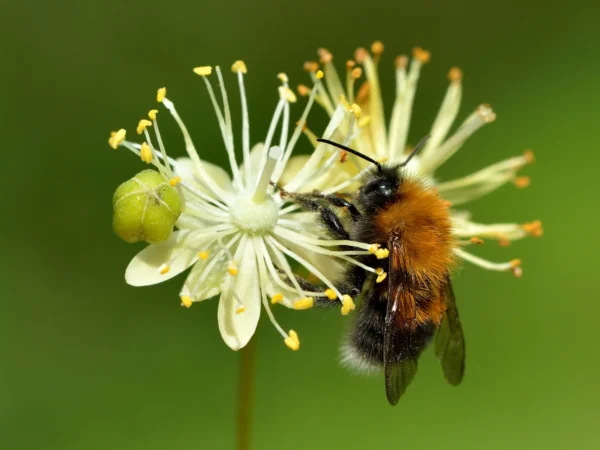
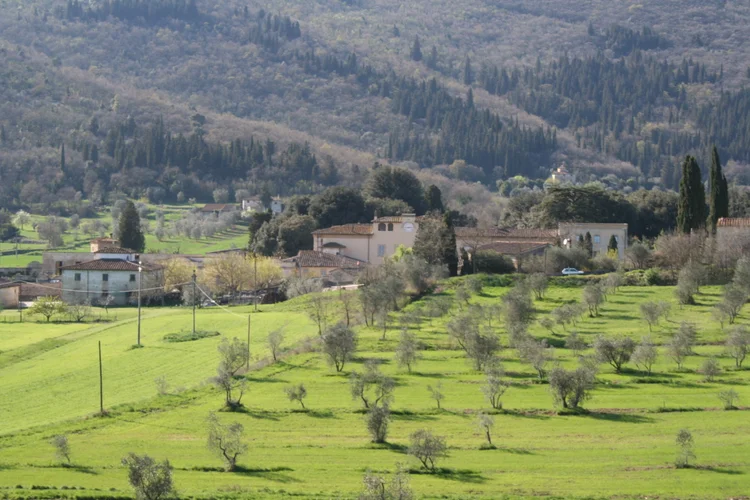
NECTAR (Nurturing Ecology, Communities, and Training for Agroecological Resilience) aims to support pollinator conservation while empowering young people to engage in sustainable land stewardship. Based at the organic farm Podere Montisi, the project combines habitat restoration, education and community engagement to create a more resilient agroecosystem.
The farm will serve as a living laboratory where ecological restoration and agroecological practices come together. By creating pollinator-friendly habitats and integrating learning activities, the project demonstrates how farming landscapes can support biodiversity while remaining productive and sustainable.
Threats

Climate change

Impact of agricultural practices

Invasive alien species
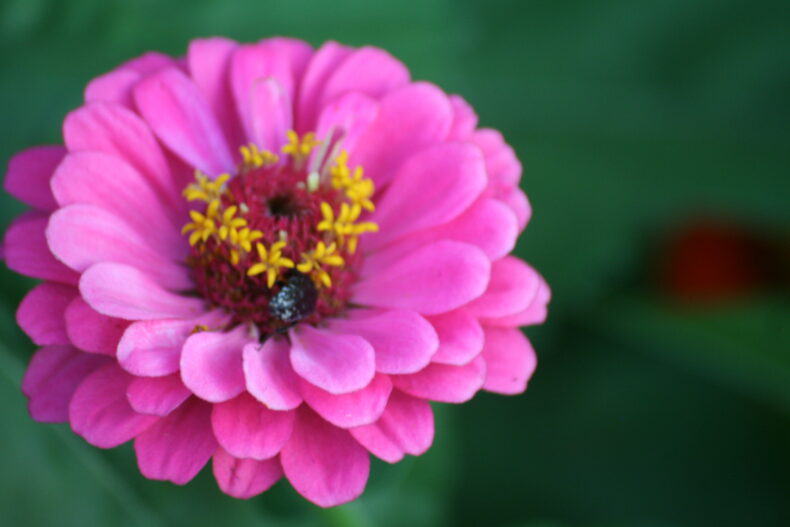
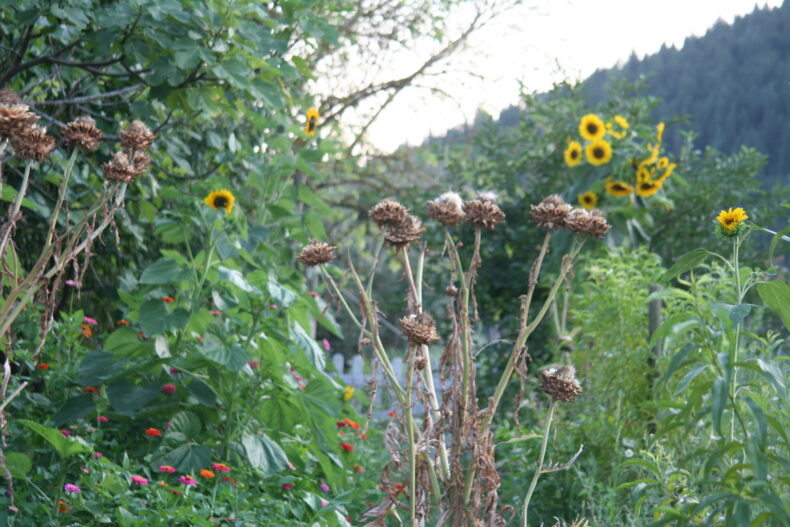
Through hands-on training, citizen science and outreach, NECTAR connects people with nature and promotes a deeper understanding of the role pollinators play in food systems and ecosystem health.
This project is implemented by Anna Frosini.
Project objectives
The project aims to create and manage diverse pollinator habitats within the farm, including hedgerows, wildflower strips and nesting areas, to support pollinator populations throughout the year. It seeks to establish a baseline understanding of pollinator diversity through citizen science monitoring, enabling long-term observation and adaptive management.
The project also aims to train and engage young people in agroecology, pollinator ecology and biodiversity conservation, strengthening their skills and knowledge.
Finally, it aims to raise awareness among local communities and schools through public events, workshops and educational activities, promoting wider adoption of pollinator-friendly practices.
Project activities
- Deliver training and capacity building: Organise courses on agroecology, habitat design and pollinator identification.
- Restore and create habitats: Establish wildflower areas, hedgerows and nesting sites to support pollinators.
- Conduct youth-led monitoring: Carry out surveys and record observations using citizen science approaches.
- Engage communities and raise awareness: Host open days, workshops and outreach activities for schools and local audiences.