Beyond bloom — Impacts of authorized insecticide applications during crop petal fall on wild pollinator communities (Spain)
Project description
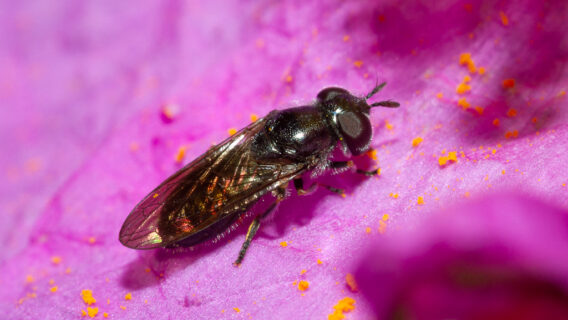
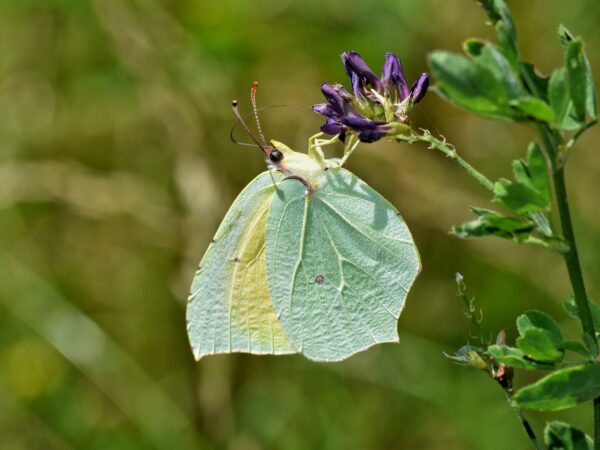
Pollinators play a vital role in both natural ecosystems and agriculture, yet their populations are declining due to pressures such as intensive farming and pesticide use. While regulations limit insecticide applications during crop flowering, treatments applied shortly after flowering, during petal fall, remain common practice in fruit orchards.
Threats

Habitat loss & degradation

Impact of agricultural practices
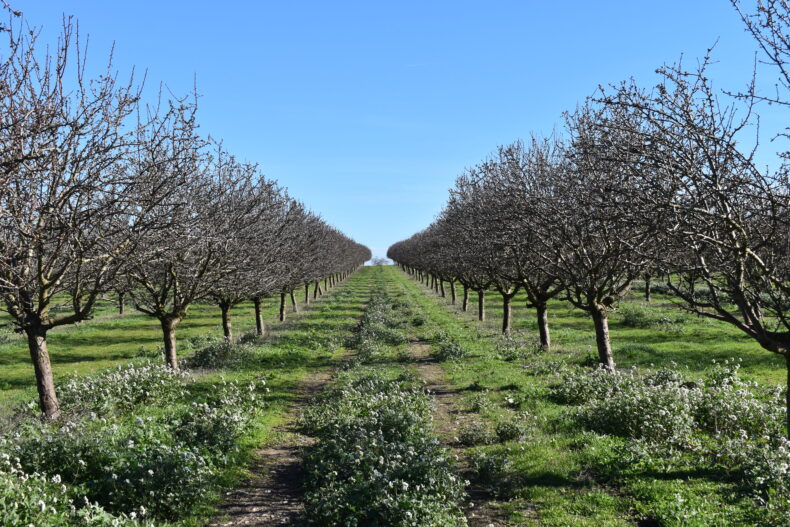
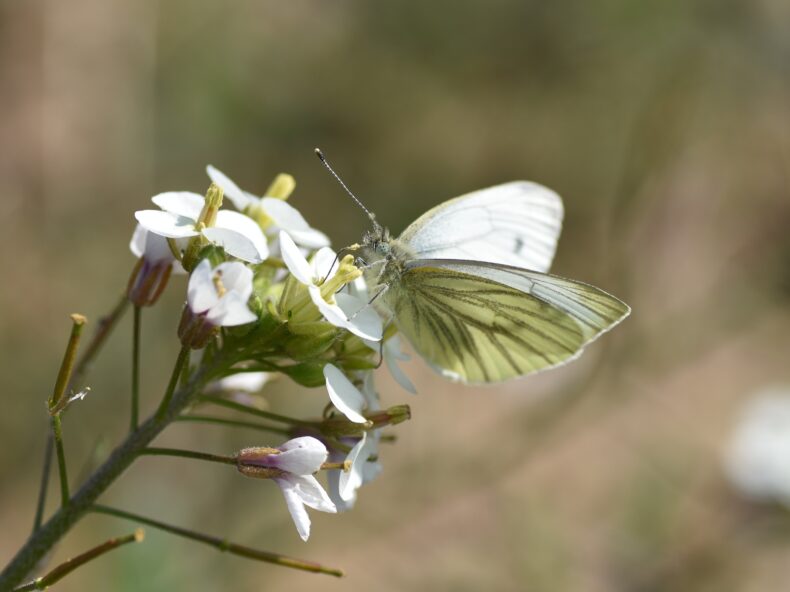
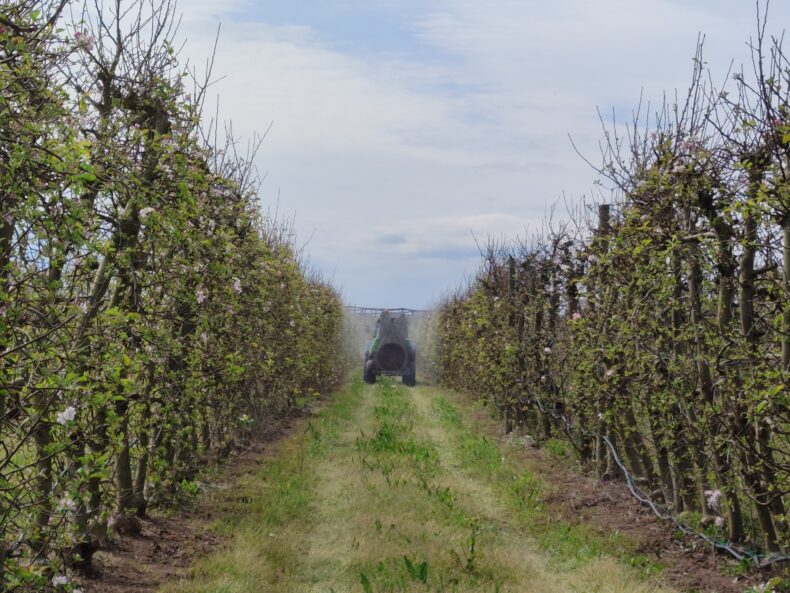
At this stage, managed pollinators such as honeybees are typically removed from treated areas, but wild pollinators continue to forage and may be exposed to pesticides. At the same time, field margins and flower strips designed to support pollinators may contain pesticide residues, potentially creating unintended risks.
This project investigates how these legal insecticide applications affect wild pollinators and the services they provide. By combining field observations with chemical analysis, it will assess changes in pollinator activity and identify potential exposure pathways through non-crop plants. The results will help inform more pollinator-friendly agricultural practices and contribute to improved management of agroecosystems.
This project is implemented by Sergio Albacete González.
Project objectives
The project aims to evaluate the effects of insecticide applications at crop petal fall on wild pollinator communities and the pollination services they provide. It seeks to assess changes in pollinator activity, abundance and community composition before and after treatments in agricultural settings.
The project also aims to identify potential exposure pathways by measuring pesticide residues in non-crop floral resources.
Finally, it aims to generate evidence-based recommendations to support more pollinator-friendly farming practices and inform stakeholders.
Project activities
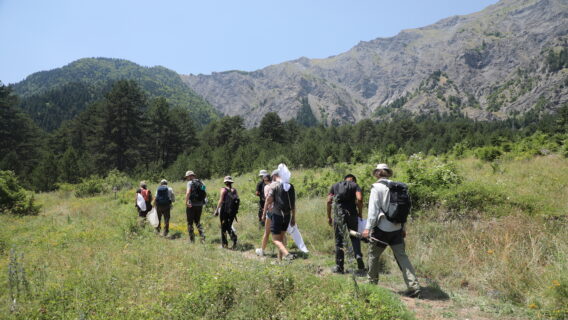
- Monitor pollinator communities: Assess pollinator abundance and diversity before and after insecticide applications in fruit orchards.
- Analyse pesticide residues: Measure residues in non-crop plants such as field margins and flower strips.
- Integrate ecological and chemical data: Evaluate how current practices may affect wild pollinators and their activity.
- Engage stakeholders and share findings: Develop recommendations and work with farmers and stakeholders to improve practices.