Saproxylic and forest hoverflies of the Foreste Casentinesi National Park (Italy)
Project description
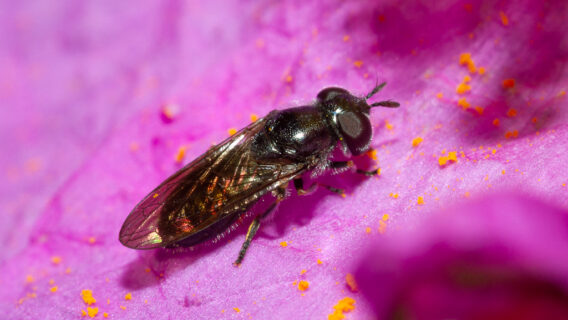
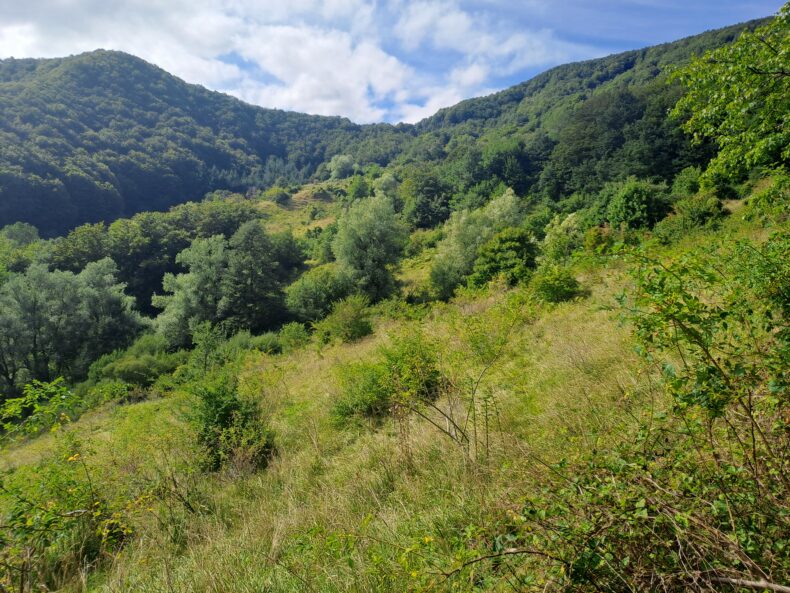
This project aims to improve knowledge of hoverfly diversity in the Foreste Casentinesi National Park in Italy, with a particular focus on forest and saproxylic species. While recent monitoring has provided insights into pollinators in open habitats, forest ecosystems, which dominate the park, remain less studied.
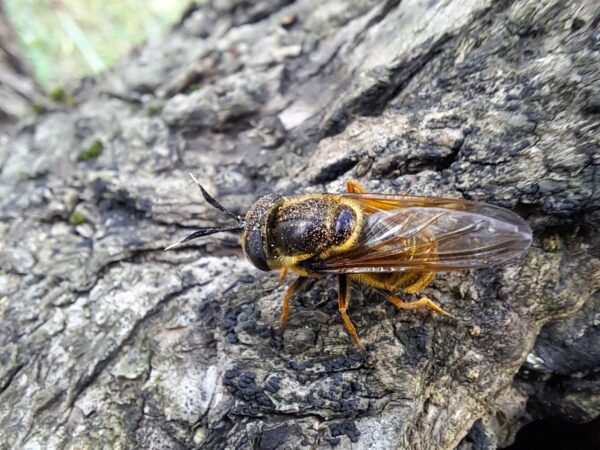
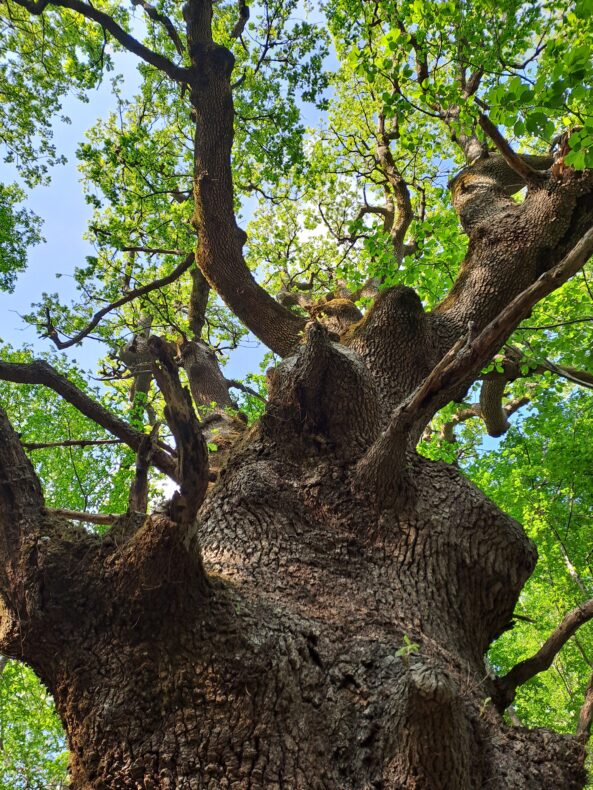
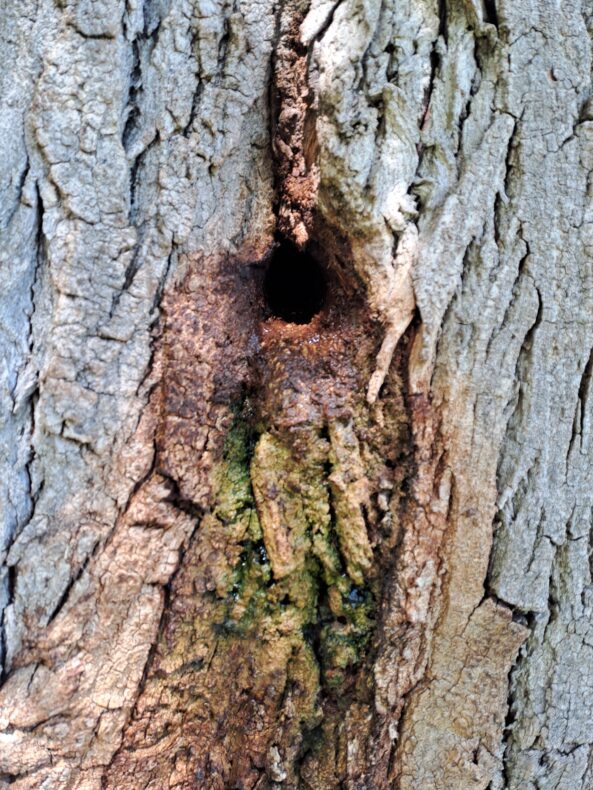
Mature forests offer a wide range of microhabitats, such as tree cavities, decaying wood, sap runs and fungal substrates, which are essential for many specialised hoverfly species. Through targeted field surveys and ecological analyses, the project will explore how these habitats support hoverfly diversity and identify key features needed for their survival.
Threats

Climate change

Habitat loss & degradation

Impact of agricultural practices
By filling important knowledge gaps, the project will support more informed conservation and forest management decisions. It will also engage the public through citizen science activities, helping to build long-term monitoring efforts and raise awareness of the role of hoverflies in forest ecosystems.
This project is implemented by Stefano Tempesti.
Project objectives
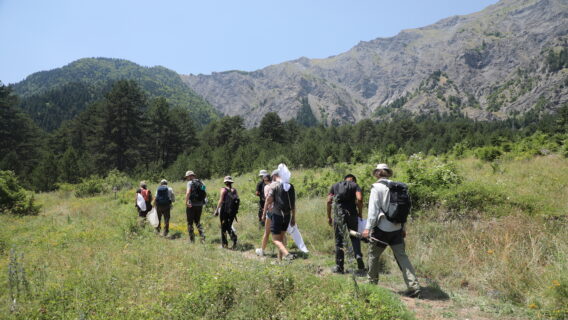
The project aims to update the list of hoverfly species present in the park through systematic surveys in forest habitats, with a particular focus on saproxylic environments. It seeks to identify previously unrecorded species and reassess species reported in the past, improving understanding of their current distribution.
The project also aims to study threatened hoverfly species, including their distribution, phenology and habitat requirements, in order to support targeted conservation measures.
Finally, it aims to establish a structured citizen science programme that engages volunteers in data collection, strengthens long-term monitoring and increases public awareness.
Project activities
- Conduct field research: Survey forest habitats to identify hoverfly species, including new or previously unrecorded species.
- Study species ecology and distribution: Investigate the habitat requirements and distribution of selected threatened species.
- Develop citizen science activities: Engage and train volunteers to collect data and support long-term monitoring.