World Wildlife Day: Protecting medicinal plants that sustain people and nature
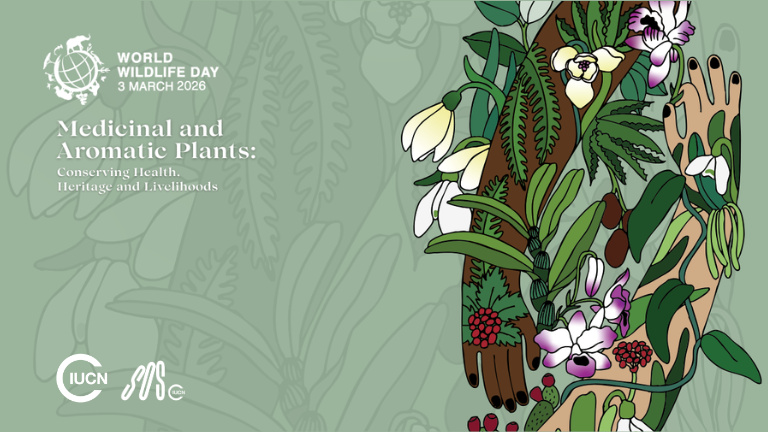
This year’s World Wildlife Day highlights the vital role of medicinal and aromatic plants in sustaining ecosystems, cultures and economies worldwide. An estimated 50,000–70,000 plant species are used medicinally, supporting both traditional and modern healthcare systems. Yet many face mounting pressure from habitat loss, overharvesting, unsustainable trade and climate change. Many medicinal plant species are assessed on the IUCN Red List of Threatened Species™, with some already facing extinction risk.
Across IUCN Save Our Species (SOS) initiatives, partners are already advancing practical solutions that reflect this year’s theme, demonstrating how conserving plant diversity can strengthen livelihoods and protect species, while drawing on traditional knowledge systems that guide sustainable cultivation and use, secure ecosystem services and ensure their long-term stewardship.
Why this theme resonates with our work
Although often overlooked, plant species underpin nearly every conservation outcome. Many SOS-supported projects contribute to medicinal plant conservation indirectly by protecting habitats, strengthening community stewardship and promoting sustainable resource management.
Examples across our portfolio include:
- Forest conservation and restoration projects that secure diverse native plant communities, including species used in traditional medicine.
- Projects to conserve and restore pollinator species, strengthening plant reproduction and ecosystem resilience.
- Managing incursions of invasive alien species to protect native flora and prevent the degradation of critical habitats
Community-led conservation programmes that apply and transmit traditional ecological knowledge to guide sustainable harvesting and land management practices
Spotlight: Conserving devil’s claw and community livelihoods in Namibia
Through our partnership with the TUI Care Foundation, IUCN SOS supports community-based natural resource management in Namibia that demonstrates how sustainable plant use can strengthen both livelihoods and conservation outcomes. One focus is devil’s claw, a medicinal plant native to southern Africa widely used for its anti-inflammatory properties.
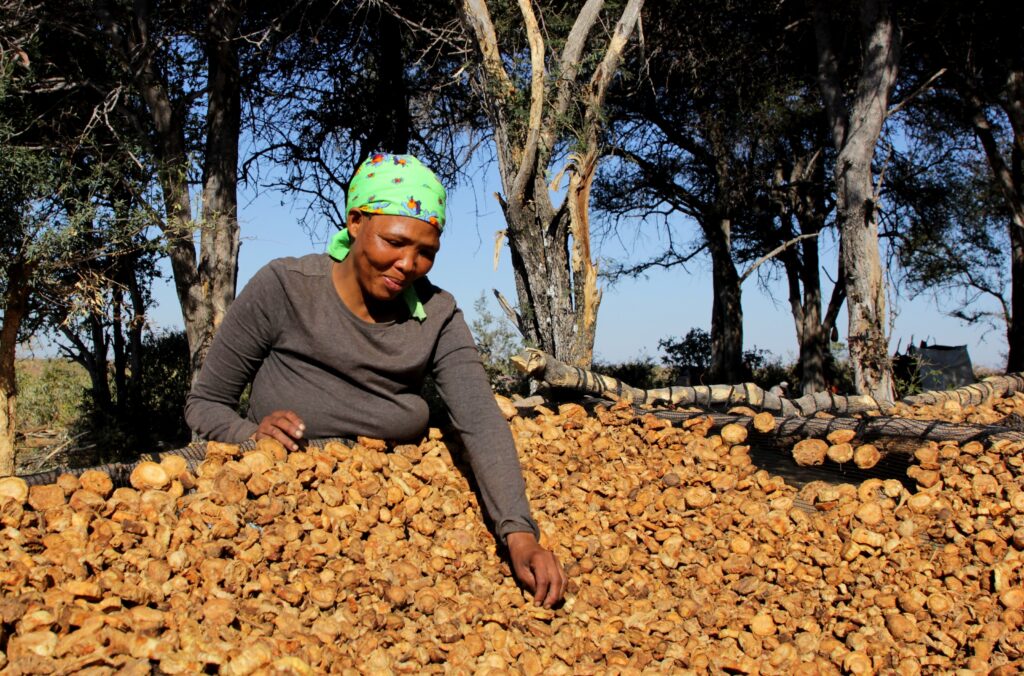
In the Nyae Nyae and N≠a Jaqna conservancies, sustainable harvesting of devil’s claw provides critical income for Indigenous Peoples and Local Communities. The project, implemented by the Nyae Nyae Development Foundation of Namibia (NNDFN), supports contract negotiations, training, certification, monitoring and post-harvest impact assessments to ensure compliance with sustainable harvesting standards.
Income generated from certified organic devil’s claw strengthens community resilience and helps finance conservancy operations. By diversifying livelihoods and increasing the presence of trained harvesters and rangers in remote areas, the initiative contributes to broader biodiversity conservation while reinforcing community stewardship of natural resources.
Initiative
TUI Wildlife Programme
Field action: Communities safeguarding tiger landscapes in Northeast India
Under the Integrated Tiger Habitat Conservation Programme (ITHCP), IUCN has supported a project implemented by WCS India that strengthens community-led conservation of critical tiger habitats in Nagaland.
The initiative worked with villages bordering Ntangki National Park to establish community governance systems for conservation, improve sustainable livelihood options, monitor wildlife using camera traps, reduce human–wildlife conflict and map key habitats collaboratively.
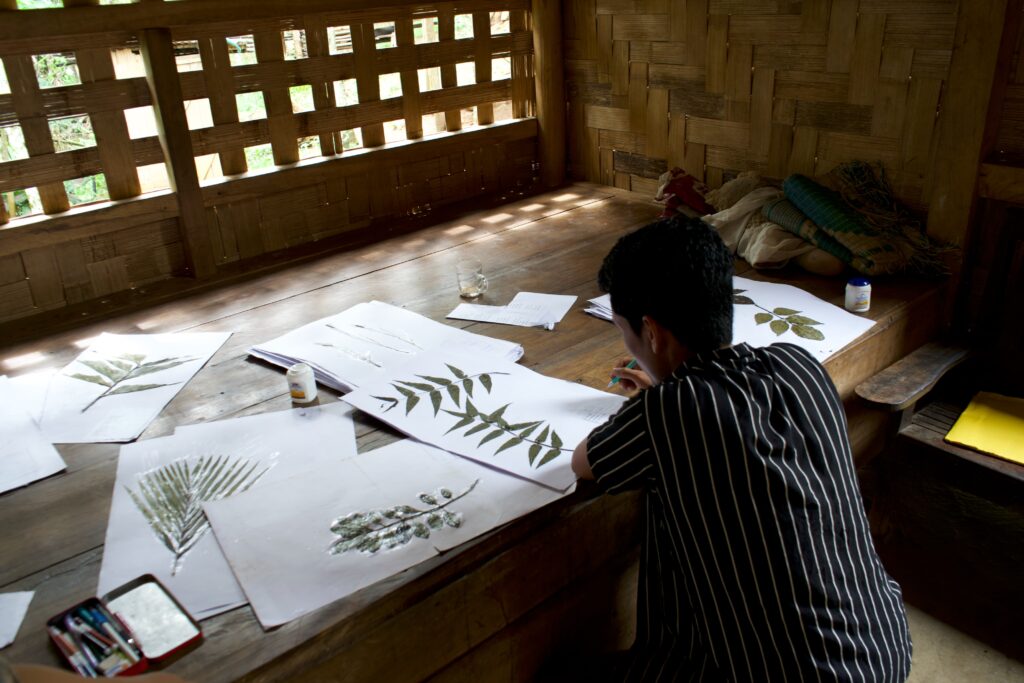
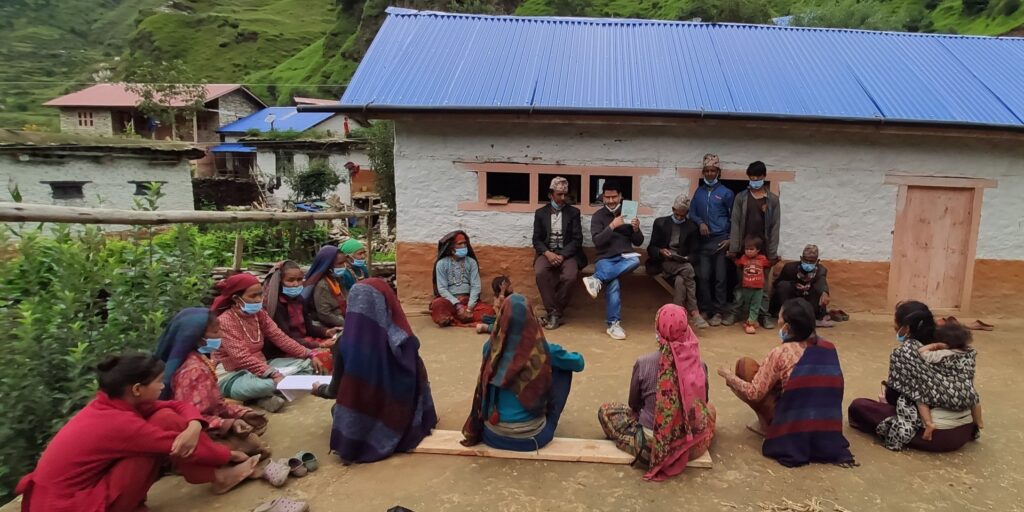
A key component of the project was the development of a community herbarium, a scientific collection of preserved plant specimens used to document and identify plant diversity. Herbariums act as reference libraries for flora and are especially valuable in regions like Peren District, where rich medicinal plant knowledge is traditionally passed down orally and risks being lost between generations.
Community youth collected around 500 specimens from six villages, later analysed with botanists, resulting in 120 identified species across multiple plant families, many with traditional medicinal uses. Training in specimen preparation techniques further built local scientific capacity while helping safeguard ethnobotanical knowledge.
Alongside this work, nurseries and agroforestry initiatives have helped restore habitats and support livelihoods, showing how plant conservation underpins resilient ecosystems and thriving wildlife landscapes.

Did you know?
- 🧪 Around 25% of modern medicines are derived from plants.
- 🌱 Over 80% of terrestrial species depend directly on plants for food or habitat.
- 🧺 Wild-harvested plants support millions of rural households through trade, medicine and crafts.
- 📖 Some Indigenous pharmacopoeias document thousands of plant remedies.
- 🪶 Cultural identity, spiritual practices and healing traditions are often inseparable from plant biodiversity.
SOS Lemurs: Plant conservation for species survival
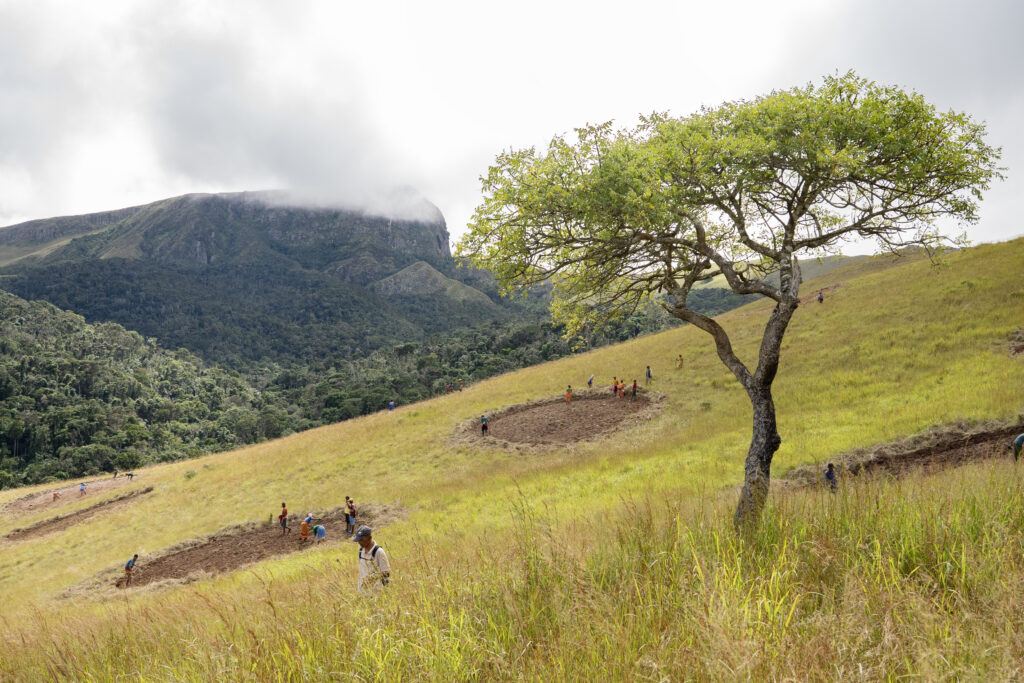
Across Madagascar, SOS Lemurs projects demonstrate how protecting plant diversity directly supports both wildlife and people. One supported initiative in the Lost Forest of Ivohiboro focuses on developing a Sakoa (Marula) seed oil social enterprise programme designed to create sustainable livelihood opportunities while reinforcing incentives to conserve native trees and restore degraded forest habitats. By aligning plant-based value chains with ecosystem stewardship, this work highlights the role of native flora as a foundation for species survival, including threatened lemurs that depend on intact forest landscapes. This project is implemented by The Phoenix Conservancy and the Madagascar Institute for the Conservation of Tropical Ecosystems.
SOS Lemurs also supports research through the Lemur Research Action Fund small-grants programme in partnership with Re:wild, which advances lemur and habitat conservation by building the capacity of early-career Malagasy scientists and funding locally led studies on lemur ecology and conservation. One research project focuses on assessing the availability of plant species used by Verreaux’s sifaka and the ring-tailed lemur in southwestern Madagascar, combining ecological surveys, feeding observations and propagation of key species to identify plants essential for lemur diets and long-term habitat viability. Early findings have documented locally used plant species with medicinal, construction and cultural value, highlighting how plant diversity supports both ecosystem health and human wellbeing.

Initiative
SOS Lemurs
Expert network: SSC Medicinal Plant Specialist Group
The IUCN Species Survival Commission’s Medicinal Plant Specialist Group (MPSG) is a global network of experts dedicated to safeguarding medicinal plant diversity and promoting its sustainable use. Working at the intersection of science, conservation and policy, the group assesses conservation status, supports Red List evaluations, develops guidance for sustainable harvesting and advises on priorities worldwide.
Reliable data on medicinal plant populations remains limited in many regions, and traditional knowledge is often under-represented in decision-making. Networks like the MPSG help bridge these gaps by connecting researchers, practitioners and policymakers, ensuring conservation action is evidence-based, coordinated and inclusive of local knowledge systems.
What can you do?
- Learn about native plants in your region
- Choose sustainably sourced herbal products
- Avoid wild harvesting unless trained
- Help scale up impact by contributing to conservation initiatives worldwide