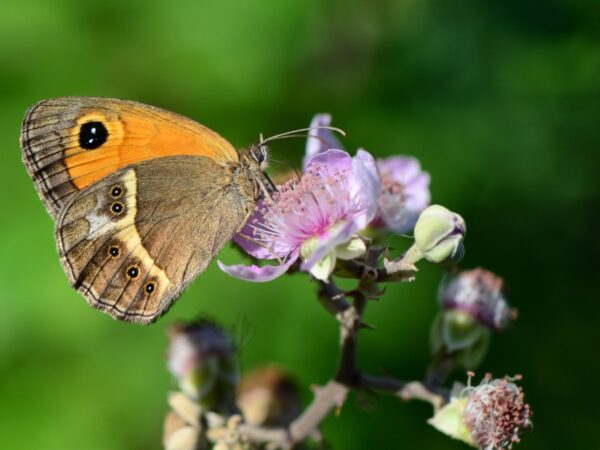
The effect of afforestation on butterfly-flower interactions across a Mediterranean altitudinal gradient (Spain)
Project description
Butterflies are important pollinators in Mediterranean ecosystems, yet their conservation is increasingly challenged by habitat changes such as afforestation and the loss of floral resources. This project aims to improve understanding of the nectar requirements of butterfly species and how these relate to habitat conditions.
Focusing on a mountainous area in northeastern Spain, the project will study butterfly–flower interactions across different habitats and elevations. By analysing how butterfly communities respond to changes in vegetation and resource availability, it will identify key nectar sources and habitat features that support their survival.
Threats

Climate change

Habitat loss & degradation

Impact of agricultural practices
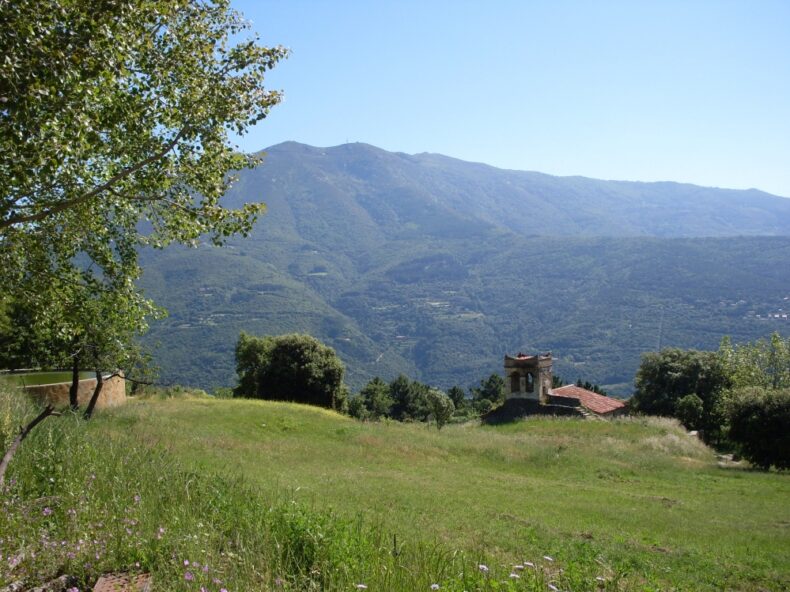
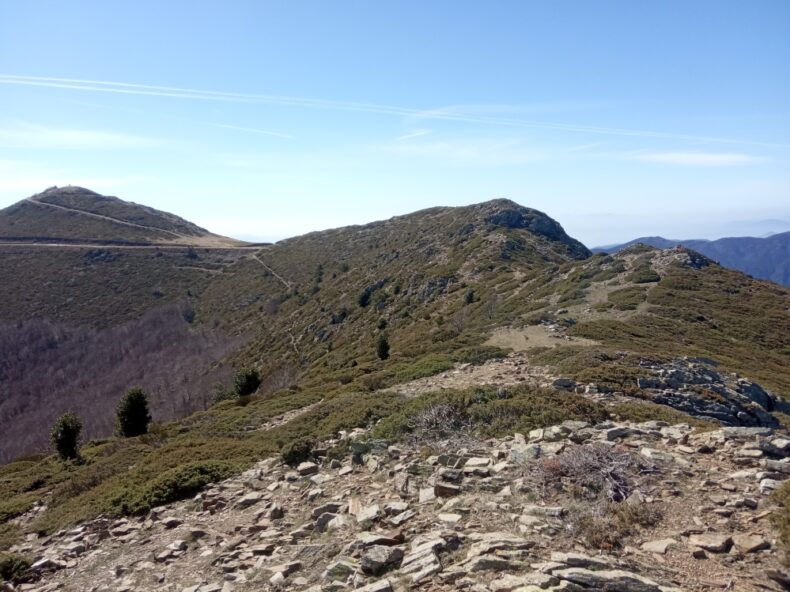
The results will help guide more effective habitat management and conservation strategies, ensuring that restoration efforts take into account the ecological needs of butterflies and the pollination services they provide.
Project objectives
The project aims to improve knowledge of butterfly nectar requirements in Mediterranean habitats, providing a stronger basis for conservation and management. It seeks to assess the impact of afforestation on butterfly communities by analysing their interactions with flowering plants across different habitats and elevations.
The project also aims to identify key nectar sources and understand how butterfly preferences vary over space and time.
Finally, it aims to inform conservation planning and habitat restoration by sharing findings with scientists and land managers.
Project activities
- Monitor butterfly–flower interactions: Record interactions and flower availability across multiple habitats and elevations.
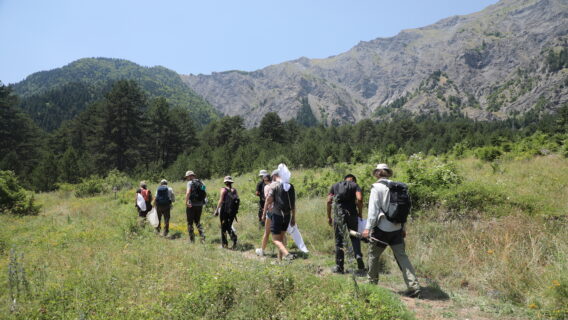
- Survey habitat types along a gradient: Compare open, shrub and forest habitats across selected transects.
- Conduct seasonal monitoring: Carry out regular surveys from spring to autumn to capture temporal variation.
- Disseminate results and support management: Publish findings and share recommendations with park authorities and stakeholders.