Strengthening national capacity for lionfish control (Croatia)
Project description
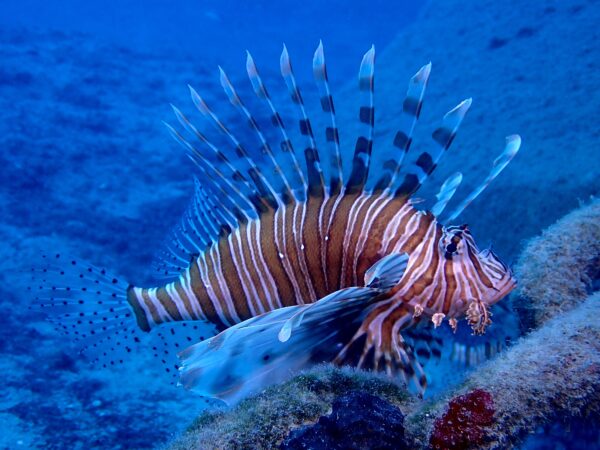
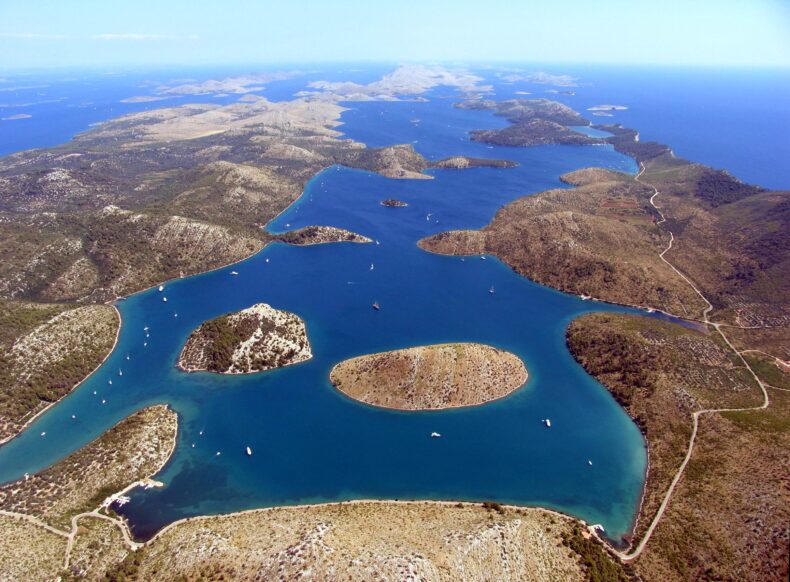
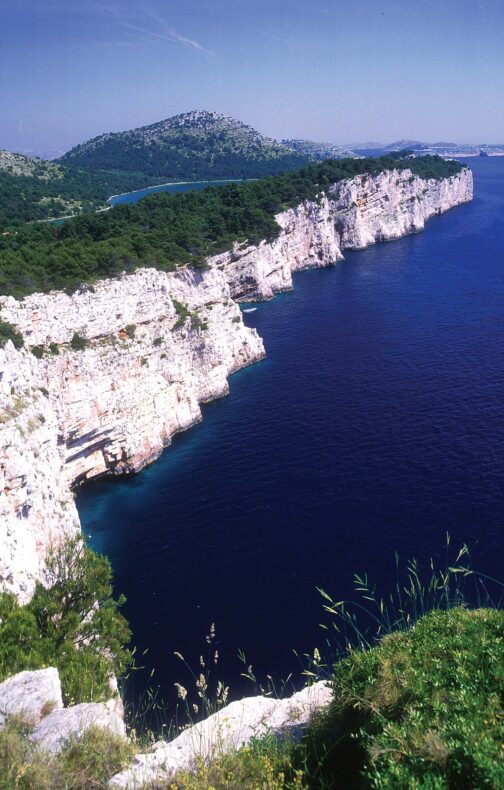
The rapid spread of invasive lionfish in the Adriatic Sea is posing an increasing threat to marine biodiversity. In Croatia, this project focuses on high-value conservation areas, including National Park Mljet, Nature Park Telašćica and the Natura 2000 site Srednji kanal, where lionfish can disrupt native fish communities and ecosystem balance.
Threats

Invasive alien species
By preying on native species and altering food webs, lionfish can reduce biodiversity and affect species of conservation concern. This project responds with targeted, science-based interventions to contain local populations and limit their ecological impact.
Through coordinated removal dives, data collection and collaboration with protected area authorities, scientists and local stakeholders, the project supports more effective management of this emerging threat. It also contributes to broader national and regional efforts to address invasive marine species.
This project is implemented by the Hippocampus association for environmental protection.
Project objectives
The project aims to reduce the ecological impact of invasive lionfish in selected marine protected areas in Croatia. It seeks to implement targeted removal actions to control local populations and protect native biodiversity.
The project also aims to strengthen the capacity of divers, protected area staff and local stakeholders to detect, report and manage lionfish occurrences. It aims to generate standardised data on lionfish distribution, abundance and size structure to support adaptive management and policy responses.
Finally, it aims to raise awareness of invasive species risks and promote coordinated, rapid response approaches.
Project activities
- Conduct targeted removal dives: Remove lionfish using selective, low-impact methods in priority sites.
- Carry out underwater monitoring: Collect data on abundance, size and habitat before and after interventions.
- Build capacity among stakeholders: Train divers and staff on identification, handling and response protocols.
- Share data and coordinate actions: Collaborate with scientific institutions and authorities.
- Raise awareness and promote engagement: Deliver communication activities to support long-term response efforts.