Restoring wet meadow habitats for the dusky large blue (Spain)
Project description
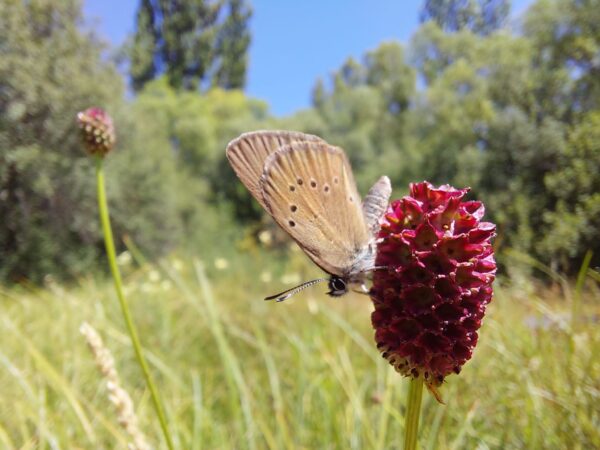
The dusky large blue (Phengaris nausithous) is a specialised butterfly that depends on wet meadow ecosystems, where it relies on the plant Sanguisorba officinalis and specific ant species to complete its life cycle. In Spain, populations are highly threatened, with those in the Madrid region representing the southernmost edge of the species’ range and facing significant pressures from habitat loss, land-use change and fragmentation.
Threats

Climate change

Habitat loss & degradation

Impact of agricultural practices
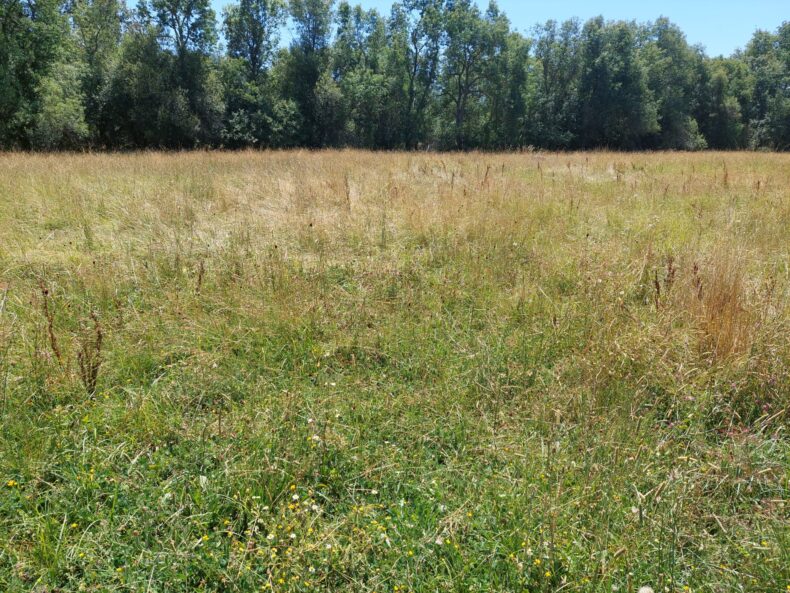
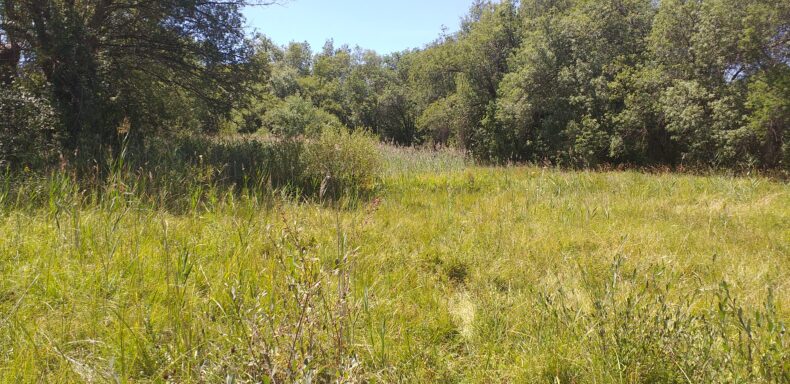
This project focuses on safeguarding and restoring these vulnerable populations within Natura 2000 sites. By working closely with landowners, it aims to restore and expand suitable wet meadow habitats through targeted management actions, including vegetation control and the reinforcement of host plants.
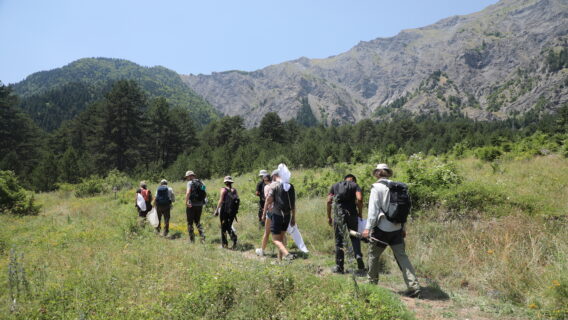
Alongside habitat restoration, the project will implement systematic monitoring to track population trends and habitat quality. By involving local communities and stakeholders in fieldwork and conservation actions, it seeks to strengthen long-term stewardship and ensure lasting benefits for both the species and its habitat.
Project objectives
The project aims to improve the conservation status of Phengaris nausithous in central Spain by restoring and expanding suitable wet meadow habitats within Natura 2000 sites. It seeks to establish land stewardship agreements with landowners to support long-term habitat management and conservation.
The project also aims to apply adaptive management practices and strengthen monitoring systems to better understand population trends and habitat conditions.
Finally, it aims to engage local communities and stakeholders in conservation efforts, ensuring sustainable and long-term impact.
Project activities
- Establish stewardship agreements: Identify priority sites and collaborate with landowners to secure conservation agreements.
- Restore and improve habitats: Implement management actions such as vegetation control and host plant restoration.
- Monitor populations and habitats: Strengthen knowledge through systematic monitoring of the butterfly and its environment.
- Engage communities and stakeholders: Involve youth, volunteers and local actors in conservation and awareness activities.