Rapid eradication of marbled crayfish populations in Moravia (Czech Republic)
Project description
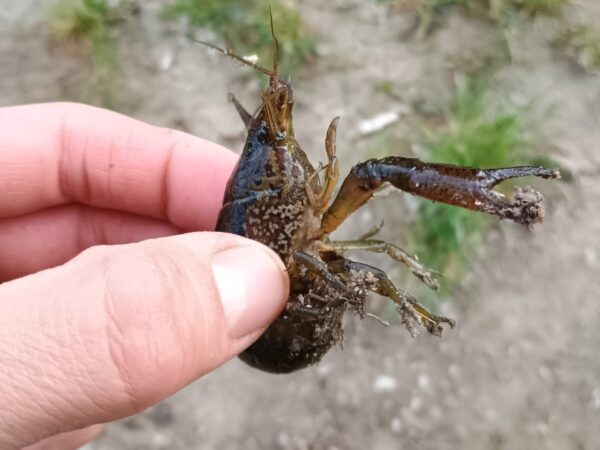
This project targets two newly detected populations of the invasive marbled crayfish (Procambarus virginalis) in Moravia, Czechia. As an early-stage invasion confined to single water bodies, there is a critical window of opportunity for rapid eradication before the species spreads further.
Threats

Invasive alien species
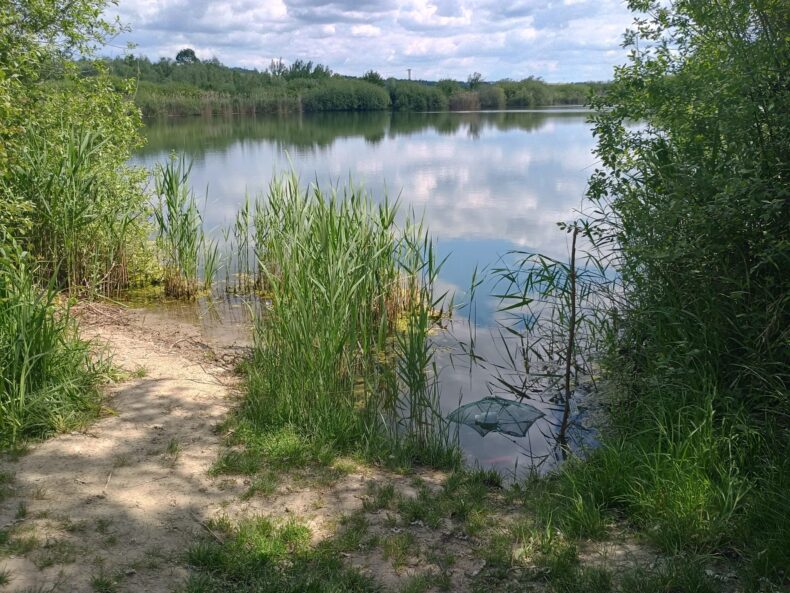
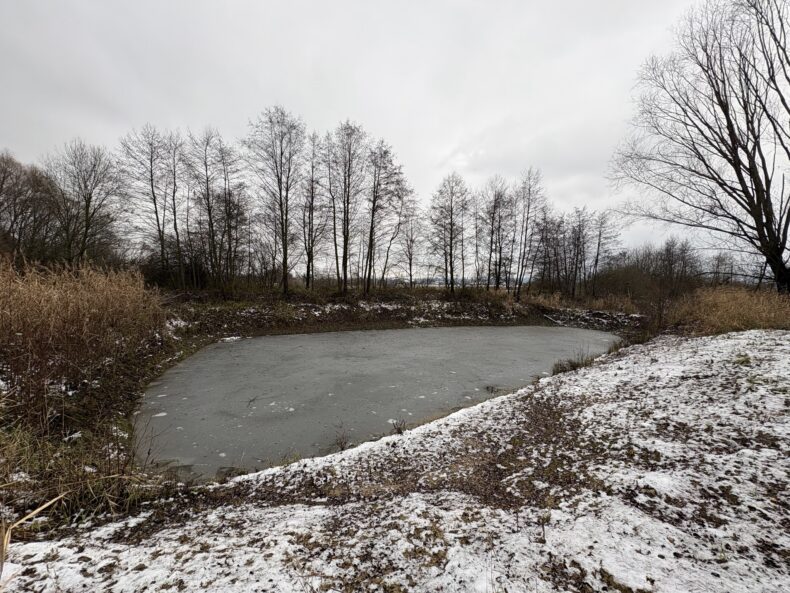
Marbled crayfish pose a major threat to freshwater ecosystems due to their ability to reproduce without mating, their high dispersal potential and their role as carriers of crayfish plague. If left unmanaged, they could severely impact native crayfish species and disrupt ecosystem balance.
The project will implement tailored eradication measures at each site, combined with monitoring and prevention actions. By acting quickly and strategically, it aims to eliminate both populations, prevent further spread and strengthen national capacity to respond to invasive species.
This project is implemented by the Nature Conservation Agency of the Czech Republic.
Project objectives
The project aims to rapidly eradicate and contain two newly detected populations of marbled crayfish in Moravia before they become established. It seeks to prevent further spread into nearby water bodies through targeted interventions and pathway prevention measures.
The project also aims to protect native crayfish species and freshwater ecosystems from ecological impacts and disease transmission.
Finally, it aims to strengthen monitoring, response capacity and public awareness to support long-term invasive species management.
Project activities
- Implement targeted eradication measures: Eliminate populations through site-specific methods, including pond filling and biological control.
- Conduct monitoring and trapping: Deploy traps and carry out surveys to assess population status and eradication success.
- Carry out eDNA and disease testing: Screen surrounding habitats and test for crayfish plague.
- Prevent further introductions: Install information boards and address key introduction pathways.
- Engage the public and raise awareness: Organise workshops to inform communities about invasive species risks.