Protecting seven threatened lemur species in Vangaindrano’s final refuge
Project description
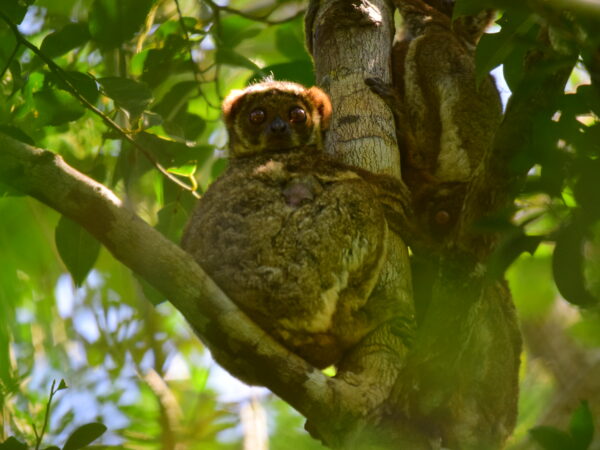
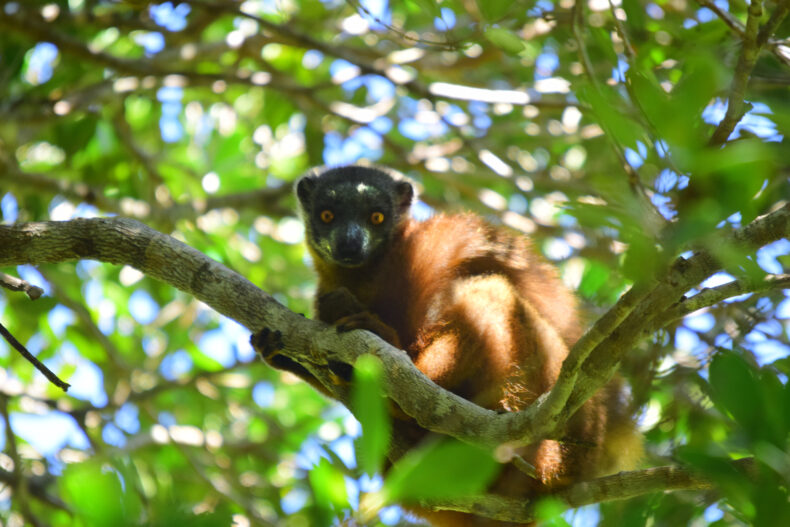
The 1,562-hectare Ankarabolava–Agnakatrika Forest is the last remaining low-elevation humid forest fragment in the Vangaindrano District of southeast Madagascar. This biologically rich landscape harbours seven threatened lemur species, including the Critically Endangered black-and-white ruffed lemur (Eulemur cinereiceps) and holds significant cultural and socioeconomic value for surrounding communities.
Threats

Habitat loss & degradation
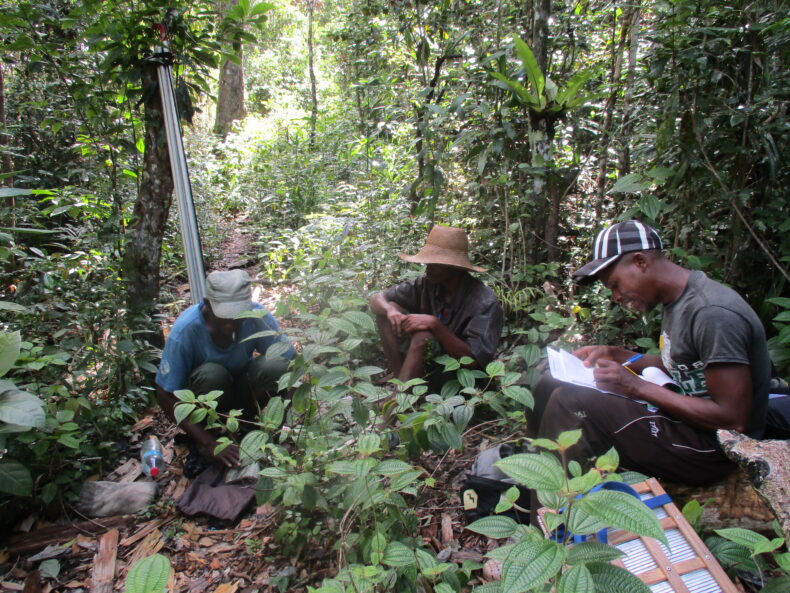
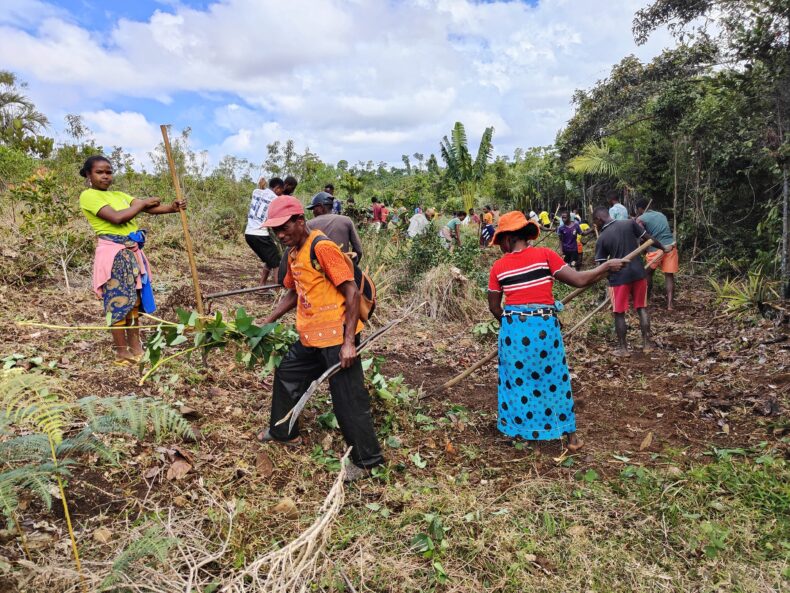
Since 2007, community-based conservation in the forest has been supported by MBG Madagascar, a long-standing partner of Chester Zoo. The project now enters a new phase of locally led conservation, with leadership transitioning to the Malagasy grassroots NGO MAMPITA. Previous efforts have reduced major threats such as shifting cultivation, wildfires, and lemur hunting. Despite these gains, the forest remains under pressure. Communities continue to rely on the protected area’s sustainable-use zone for timber and fuelwood, while abandoned agricultural fields within the forest have failed to regenerate naturally, reducing habitat quality and connectivity.
This project addresses these challenges through an integrated approach that combines forest restoration, strengthened protection, community livelihood support and improved monitoring. Degraded fields will be restored through reconstructive forest restoration using native tree species, while forest patrolling will be reinforced to reduce illegal activities. At the same time, communities will be supported with alternative sources of timber and fuelwood to reduce pressure on remaining natural forest.
This project is co-implemented by the North of England Zoological Society, Chester Zoo and MAMPITA.
Project objectives
With the full engagement and leadership of local communities, the project aims to secure viable sub-populations of seven threatened lemur species by improving the integrity, connectivity, and total number of high-quality forest hectares within the Ankarabolava–Agnakatrika Forest. The specific objectives are to:
- Improve forest habitat quality and extent by restoring degraded agricultural fields and increasing ecologically viable “quality hectares” of lemur habitat.
- Reduce human pressures on lemur populations through strengthened forest patrolling and the provision of sustainable alternatives to timber and fuelwood extraction.
- Establish robust baseline data on the abundance and distribution of all seven lemur species using camera-trap monitoring and occupancy modelling.
- Strengthen locally led conservation by supporting MAMPITA’s leadership and reinforcing long-term community stewardship of the forest.
- Enhance habitat connectivity and ecosystem resilience, enabling lemur populations to persist and recover over the long term.
Project activities
- Design and implement a robust lemur monitoring system, establishing a standardised, multi-species camera-trap protocol to generate reliable baseline data and track population responses over time.
- Launch reconstructive forest restoration on 20 hectares of abandoned agricultural land within the protected area, where natural regeneration has stalled, using native tree species to improve habitat quality and connectivity.
- Establish and operate two native tree nurseries in the landscape surrounding the protected area, dedicated to producing seedlings for restoration plantations and managed and staffed by local community members.