Protecting native amphibians in Flanders (Belgium)
Project description
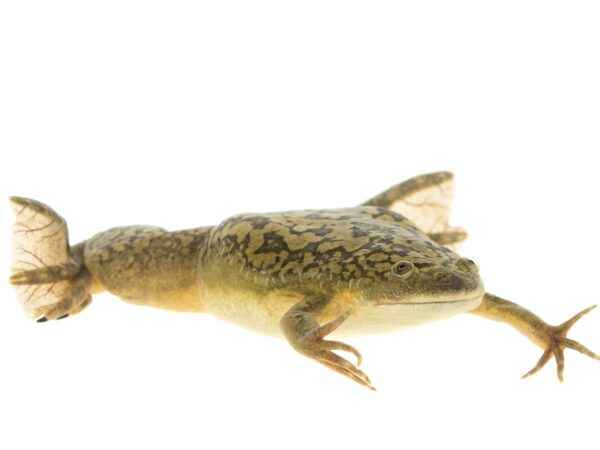
This project aims to intensify efforts to eradicate the invasive African clawed frog (Xenopus laevis) in the Douve Valley in West Flanders, Belgium. The area is an important biodiversity hotspot, supporting native amphibians including the protected great crested newt (Triturus cristatus).
Threats

Habitat loss & degradation

Invasive alien species

Over-exploitation of natural resources & prey depletion
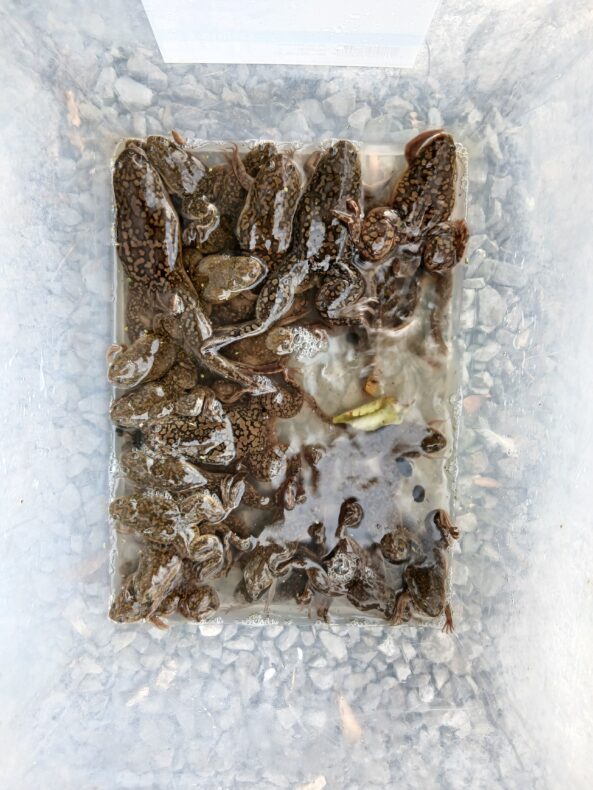
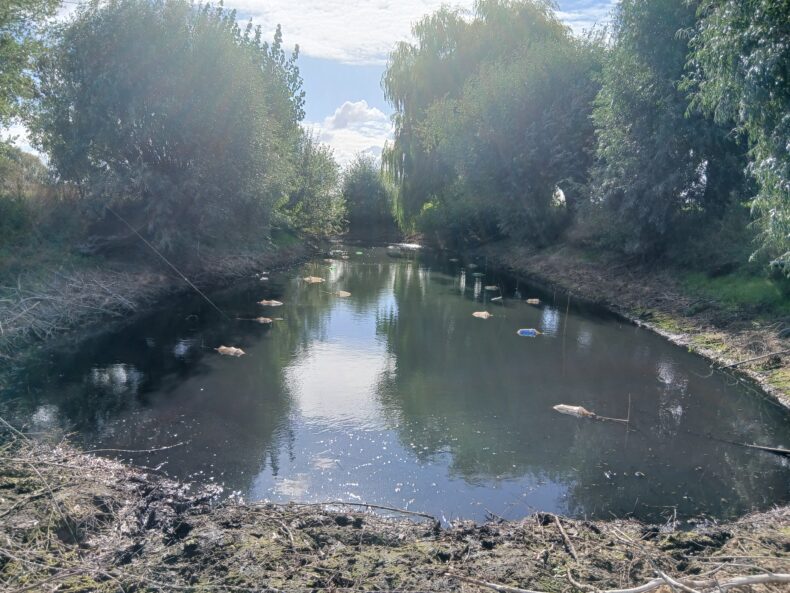
Initial control measures, such as fencing, pond drainage and treatment, have been effective, but recolonisation has occurred via the connected stream. This highlights the need for a more comprehensive and coordinated approach.
The project will implement targeted interventions in key ponds and along the Douvebeek to reduce dispersal and eliminate remaining individuals. An adaptive management plan will guide actions, integrating ecological data, feasibility of methods and site conditions. Given the transregional nature of the invasion, the project is closely coordinated with partners in Flanders and Wallonia to ensure effective and unified action.
This project is implemented by The Own Capital of the Research Institute for Nature and Forest (INBO).
Project objectives
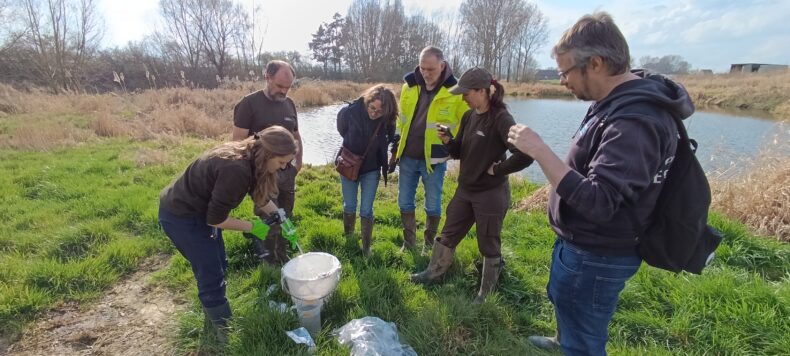
The project aims to contain and eradicate the population of Xenopus laevis in the Douve Valley through coordinated and targeted control measures. It seeks to use environmental DNA (eDNA) monitoring to detect the species, estimate population density and evaluate the effectiveness of eradication actions.
The project also aims to prioritise interventions in key breeding sites and along dispersal pathways, applying the most effective methods depending on site conditions.
Finally, it aims to ensure coordinated action across regions to achieve complete eradication and prevent further spread.
Project activities
- Conduct eDNA monitoring: Sample water bodies to detect presence and guide eradication efforts.
- Implement targeted eradication measures: Apply a combination of methods such as trapping, barriers, water level management and pond treatments.
- Control dispersal along waterways: Use passive barriers, nets and traps to intercept migrating individuals.
- Coordinate and communicate actions: Align interventions across regions and share results with stakeholders.