Pollinator Haven — A youth-led buzzing garden in Transylvania (Romania)
Project description
In Transylvania, traditional small-scale gardening once created diverse, pesticide-free habitats that supported pollinators, but this knowledge has largely disappeared over time.
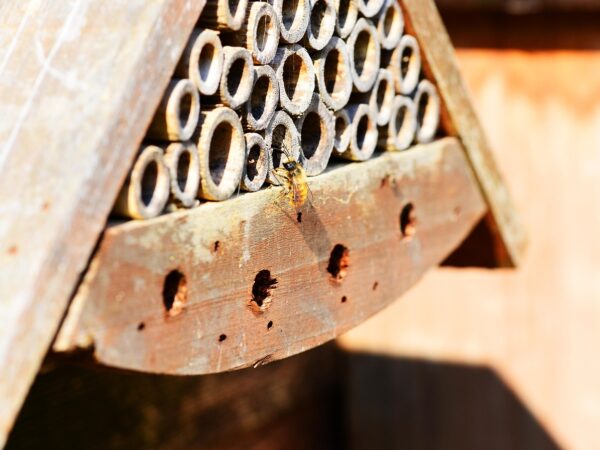
This project aims to address both ecological and cultural loss by creating a youth-led demonstration site that combines habitat restoration with the revival of traditional gardening practices. A pollinator-friendly garden will be established using native plants, hedgerows and nesting features, while an existing house will be renovated into a small education hub for workshops, school visits and community activities.
Threats

Habitat loss & degradation

Impact of agricultural practices
By bringing together conservation, education and cultural heritage, the project will provide practical knowledge on how to support pollinators in rural settings. It will also empower young people to take an active role in conservation and inspire wider adoption of pollinator-friendly practices in local communities.
Project objectives
The project aims to create a pollinator-friendly demonstration garden and education hub that showcase how traditional small-scale gardening practices can support wild pollinators. It seeks to restore and promote knowledge of biodiversity-friendly land management while creating diverse habitats for pollinators in rural Transylvania.
The project also aims to provide training and hands-on learning opportunities for young people and the wider community, strengthening their capacity to engage in conservation. Finally, it aims to serve as a practical model for pollinator conservation and community mobilisation that can be replicated across the region.
Project activities
- Create pollinator habitats: Establish a demonstration garden with native plants, wildflowers and nesting features using pesticide-free practices.
- Set up an education hub: Renovate an existing house into a space for workshops, learning activities and community engagement.
- Deliver education and mobilisation activities: Organise workshops, school visits and youth-led activities to share knowledge and promote pollinator-friendly practices.