POLLIN-RED — POLLINator Red-list Evidence & Dissemination (Italy)
Project description
This project addresses critical knowledge gaps in the ecology, distribution and conservation status of some of Italy’s most threatened pollinating insects. It combines field-based ecological research, innovative genetic detection methods and capacity building to support evidence-based conservation and policy action.
Threats

Habitat loss & degradation

Impact of agricultural practices

Reduced genetic diversity
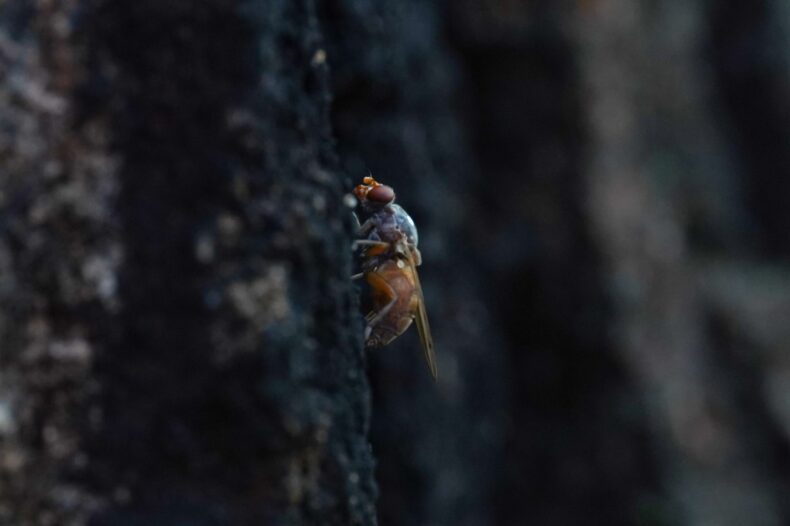
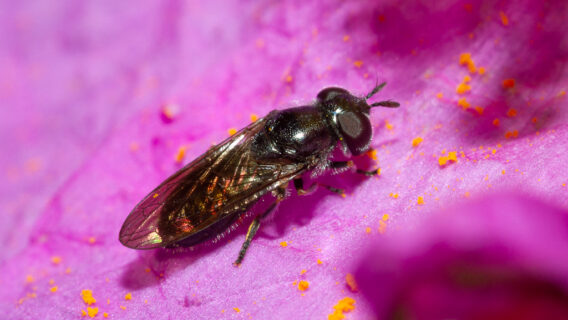
The focus is on rare saproxylic hoverflies and a bumblebee species of high conservation concern, including a hoverfly recently rediscovered in Italy after having been considered extinct. By generating robust scientific data and strengthening national expertise, the project aims to improve monitoring, inform conservation planning and contribute to national species assessments.
Project objectives
The project seeks to improve knowledge on the population size, dispersal capacity and phenology of selected endangered and vulnerable pollinating insects in Italy. It will test and validate environmental DNA (eDNA) as a non-invasive monitoring tool for saproxylic hoverflies, while strengthening national expertise and standardised monitoring protocols for threatened pollinator species.
A further objective is to contribute to national conservation policy by supporting the development of the first Italian IUCN Red List for hoverflies.
Project activities
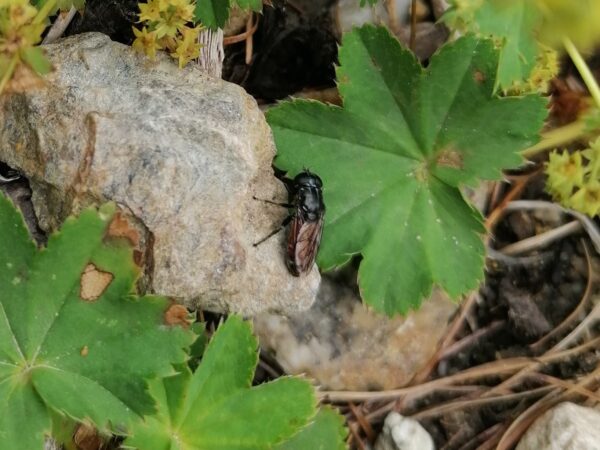
- Field research on target species: Conduct capture–mark–recapture studies on three threatened hoverfly species (Brachyopa maculipennis, Microdon myrmicae, Eumerus tarsalis) and monitor the endangered bumblebee Bombus brodmannicus in selected municipalities (Demonte, Caselette, Valdieri).
- Population marking and monitoring: Mark and track three hoverfly populations to estimate abundance, dispersal capacity and seasonal dynamics, building on the only existing baseline data available for Microdon myrmicae (2008).
- Genetic and eDNA analyses: Analyse 35–55 sap-run samples from different tree species to test eDNA detection methods for Brachyopa maculipennis and other threatened hoverflies, with potential application beyond Italy.
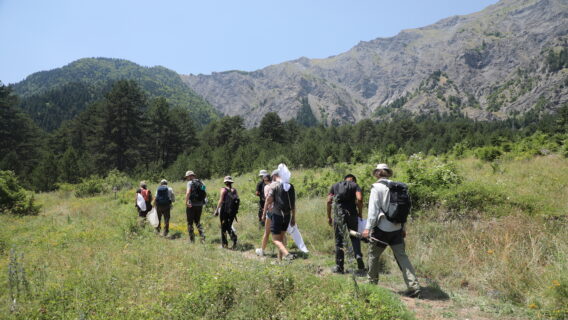
- Capacity building and training: Organise a national bootcamp on pollinating insects, focusing on species-specific monitoring protocols and conservation of threatened taxa, targeting regional park staff and trained citizen scientists.
- Policy and conservation impact: Support the development of the first national IUCN Red List for hoverflies, following completion of the updated Italian hoverfly checklist by national experts.