Kaunergrat biodiversity hotspot — Wild bee fauna of the inner alpine dry slopes (Austria)
Project description
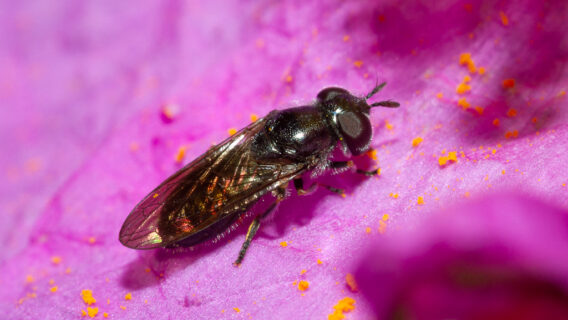
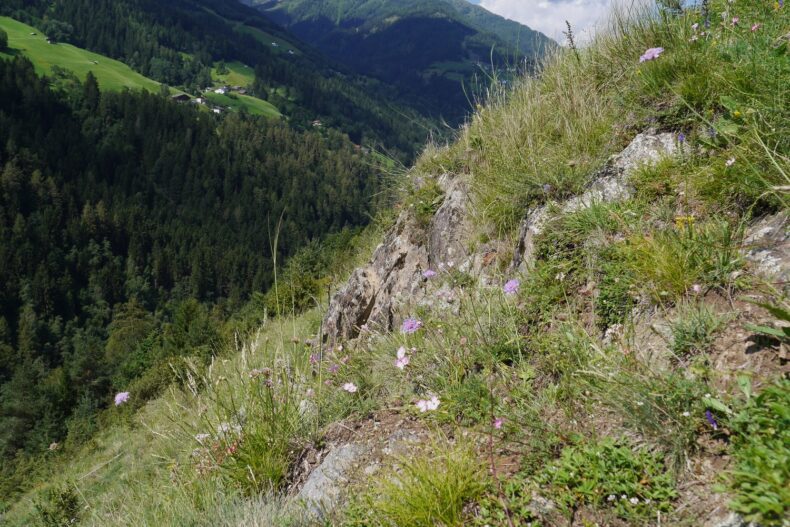
This project establishes the first systematic survey of wild bees in the xerothermic grasslands of the Natura 2000 site Fließer Sonnenhänge in Tyrol, Austria. While the area is recognised as a biodiversity hotspot for butterflies, its wild bee diversity has not yet been studied in a structured way.
Through standardised field surveys across six representative sites, the project will generate baseline data on wild bee species diversity and distribution. This information will help fill key knowledge gaps and support long-term monitoring and conservation of these dry grassland ecosystems.
Threats

Habitat loss & degradation

Impact of agricultural practices
Alongside research, the project includes a strong outreach component, with activities such as exhibitions, workshops and public events. By linking scientific knowledge with community engagement, the project aims to raise awareness of wild bees and their ecological importance, while encouraging local support for pollinator conservation.
Project objectives
The project aims to systematically document wild bee diversity across representative dry grassland sites in the Fließer Sonnenhänge, creating a robust baseline dataset for future monitoring. It seeks to strengthen the scientific basis for conservation and land management decisions in inner-alpine dry grassland ecosystems.
The project also aims to communicate scientific findings in accessible ways to a wide range of audiences, including students, local authorities and the general public.
Finally, it aims to raise awareness and encourage pollinator-friendly practices, fostering stronger local engagement in biodiversity conservation.
Project activities
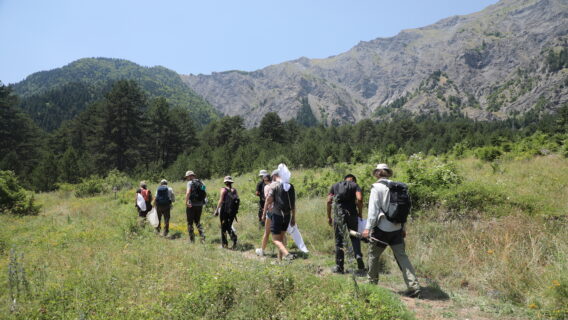
- Conduct field monitoring: Survey wild bees across six sites using standardised time–area sampling methods.
- Develop public engagement activities: Organise a photo exhibition in collaboration with the Nature Park Kaunergrat.
- Deliver education activities: Design and run workshops for children on pollinators and wild bee diversity.
- Disseminate results and engage stakeholders: Share findings through media, social media and stakeholder meetings.