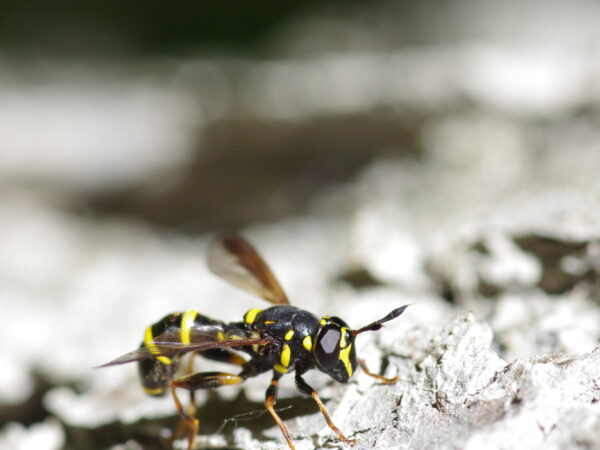
Hoverflies in the city: unveiling saproxylic species and their urban habitats (Austria)
Project description
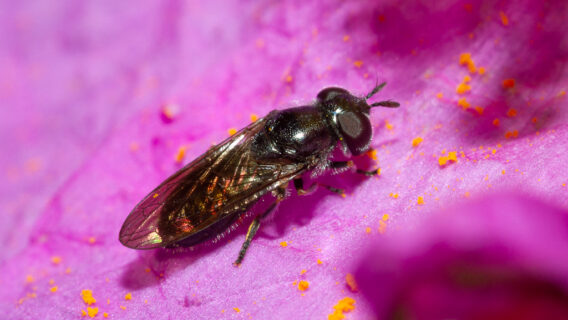
Hoverflies are among the most important pollinators, yet many species are declining due to habitat loss and fragmentation. In urban environments, sealed surfaces and disconnected green spaces can isolate insect populations, making it harder for them to survive. However, parks, cemeteries and other green areas can act as important refuges and stepping stones for pollinators.
Threats

Habitat loss & degradation

Impact of agricultural practices
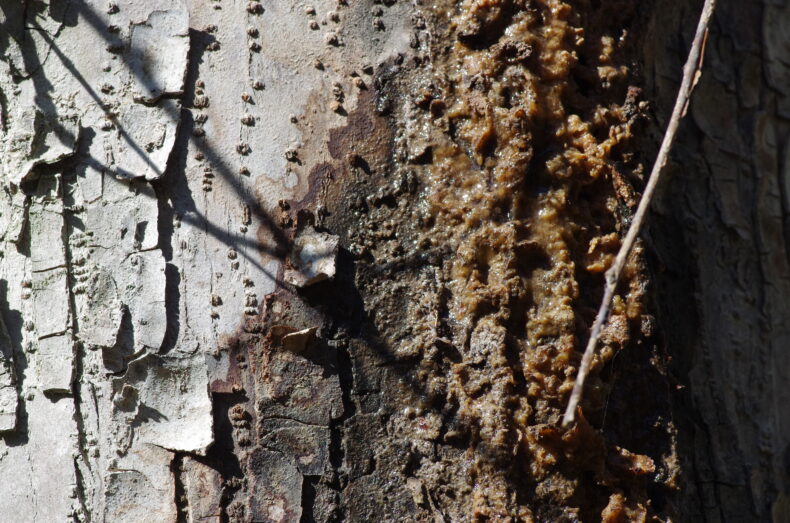
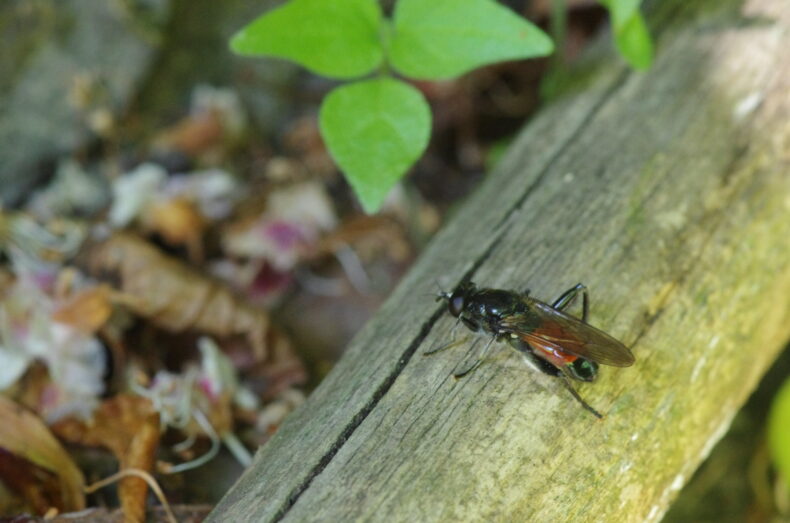
This project focuses on saproxylic hoverflies in Vienna, species that depend on tree-related microhabitats such as rot holes, sap runs and deadwood, often found in older trees. Because these species remain poorly studied, the project will investigate where they occur in urban green spaces and what habitat features they require.
By analysing both species distribution and habitat availability, the project aims to better understand how urban environments can support hoverflies and where habitat connectivity can be improved. The project also engages young people and shares its findings with stakeholders and the public, helping to raise awareness and promote action for pollinator conservation.
Project objectives
The project aims to document the occurrence and distribution of saproxylic hoverflies across urban green spaces in Vienna, with a focus on rare and threatened species. It seeks to improve knowledge of their habitat requirements, particularly the role of tree-related microhabitats, in order to support more effective conservation and urban management practices.
The project also aims to raise awareness of the ecological importance of hoverflies as pollinators and to engage and inspire young people to take part in pollinator conservation.
Project activities
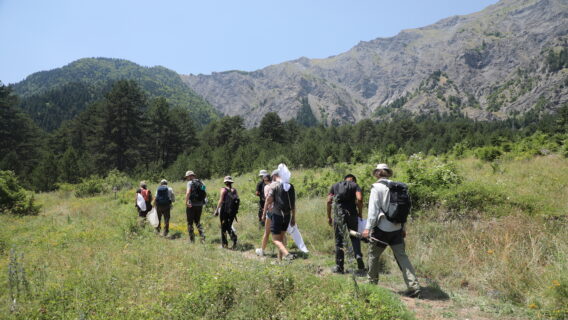
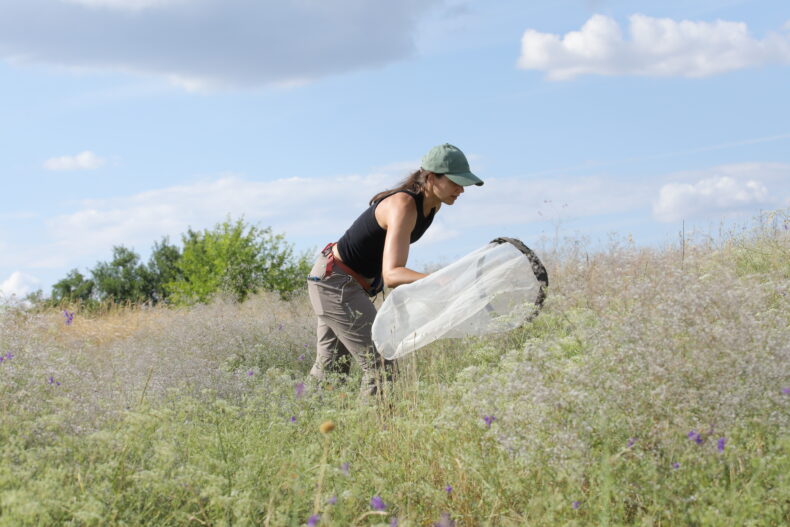
- Conduct field surveys: Survey saproxylic hoverflies and their habitats across urban green spaces in Vienna.
- Engage and educate young people: Deliver activities to increase awareness and understanding of hoverflies and pollinator conservation.
- Share findings and promote action: Communicate results with stakeholders and the public to support conservation and urban planning efforts.