HAVANA II: Community-based conservation in the COFAV forest corridor
Project description
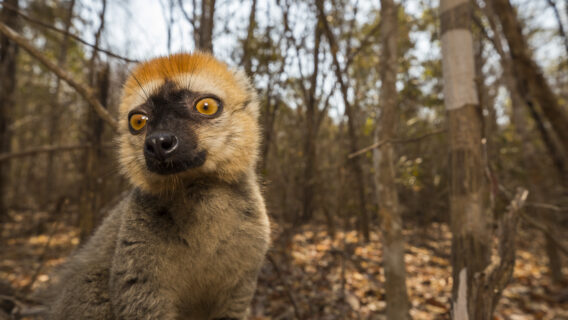
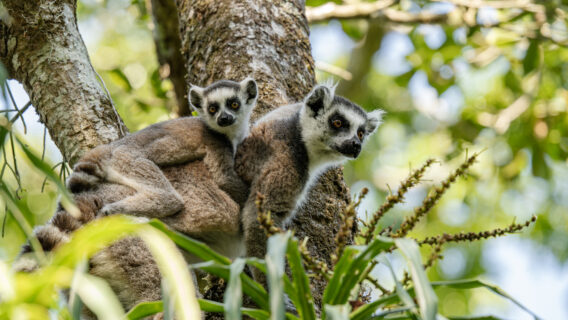
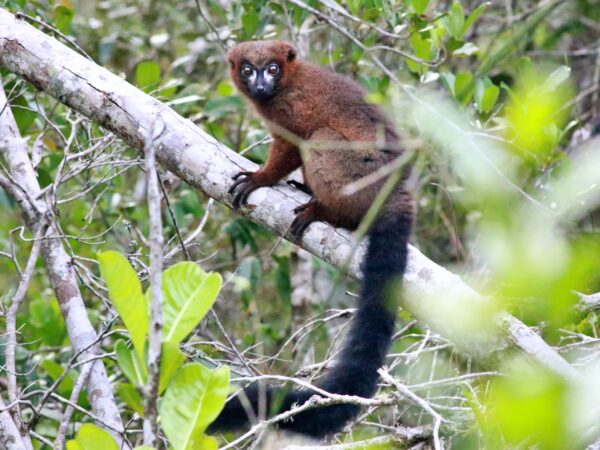
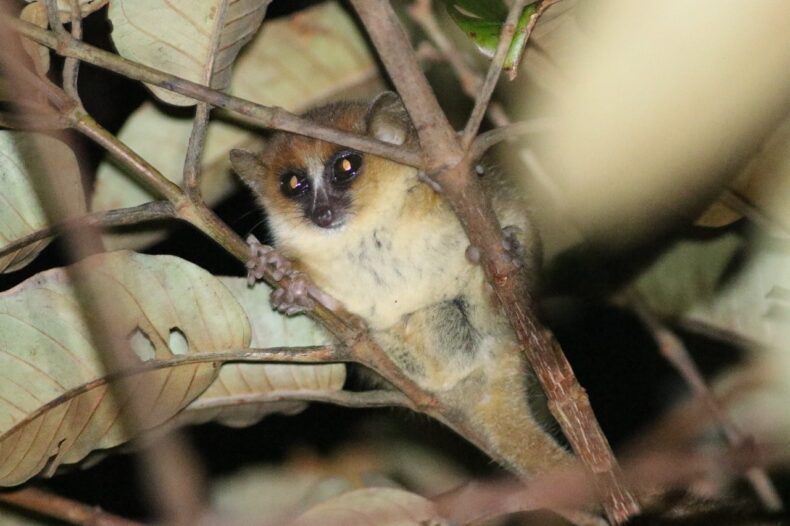
The HAVANA II project aims to reduce forest loss and eliminate lemur hunting in the COFAV Protected Area in Madagascar. Building on previous efforts, it strengthens conservation action by working closely with local communities and reinforcing sustainable forest management.
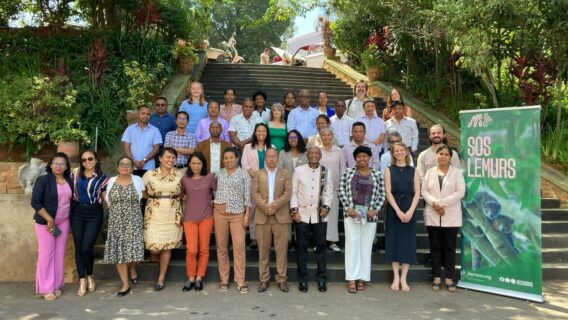
The project focuses on collaboration with forest-dependent households and community forest management associations. Through conservation contracts, communities commit to protecting forests and wildlife, including lemurs, in exchange for support and incentives. These agreements clarify rights and responsibilities, while compliance is monitored both on the ground and through satellite data.
Threats

Habitat loss & degradation

Over-exploitation of natural resources & prey depletion

Poaching
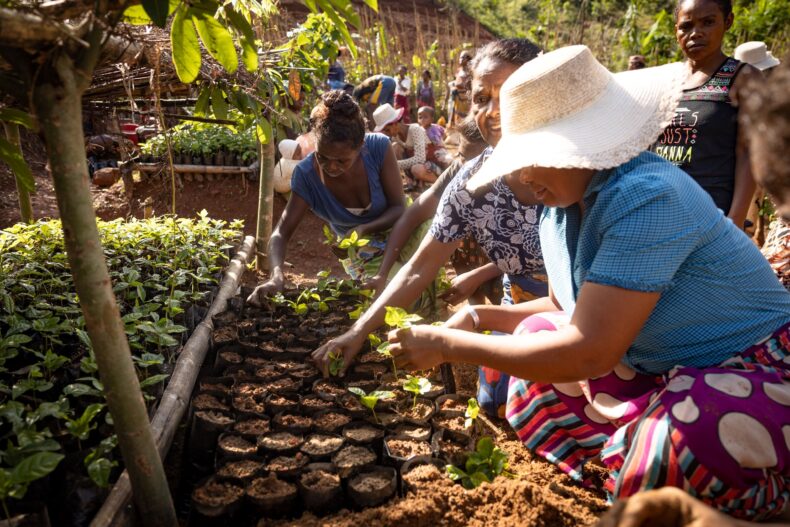
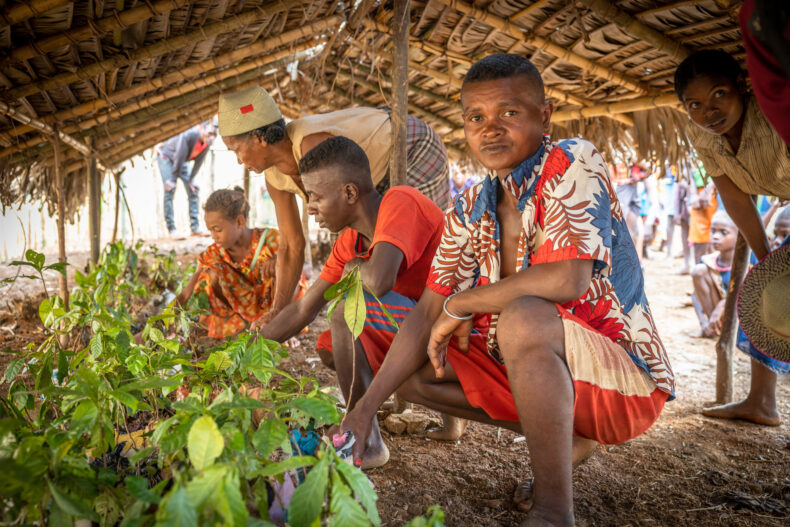
Alongside conservation measures, the project supports the development of sustainable livelihoods, such as poultry rearing and agroforestry, to reduce pressure on forest resources. It also promotes forest restoration and the creation of ecological corridors, helping to reconnect habitats and support wildlife populations.
Education and awareness-raising are central to the approach, with activities targeting schools, local communities and stakeholders to strengthen long-term commitment to conservation.
Project objectives
The project aims to increase lemur populations by restoring and protecting their habitats within the COFAV forest corridor. It seeks to reduce deforestation and eliminate lemur hunting through conservation contracts with local communities and strengthened governance of forest management groups.
The project also aims to support sustainable livelihoods that reduce dependence on forest resources and promote long-term resilience.
Finally, it aims to raise awareness and build local capacity for biodiversity conservation through education and stakeholder engagement.
Project activities
- Establish conservation contracts: Work with households and community forest management groups to formalise conservation commitments.
- Restore forest habitats and corridors: Support reforestation and natural regeneration to reconnect ecosystems.
- Promote sustainable livelihoods: Develop income-generating activities such as agroforestry and poultry rearing.
- Strengthen community capacity and awareness: Provide training, support local governance and deliver education and outreach activities.