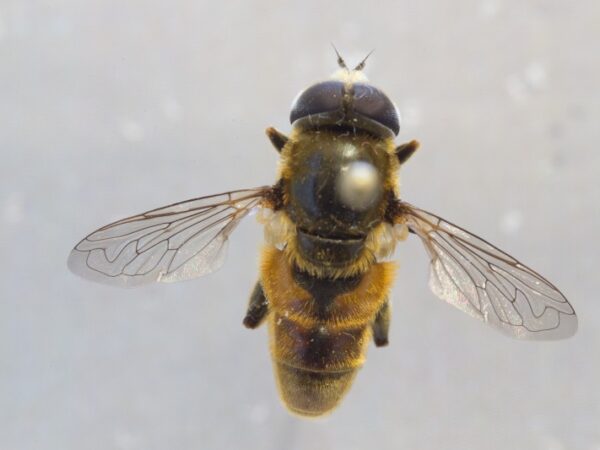
Filling knowledge gaps for the Merodon longisetus, a Critically Endangered hoverfly (Greece)
Project description
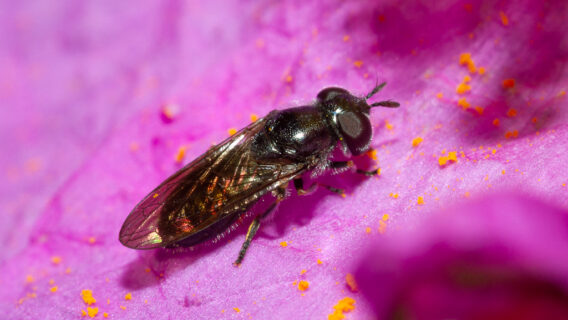
This project focuses on the Critically Endangered hoverfly Merodon longisetus on the island of Chios, Greece. Very little is currently known about this Mediterranean endemic species, making it difficult to assess its conservation status and protect its populations effectively.
The project will combine existing knowledge with targeted fieldwork to identify where the species still occurs and better understand its ecology. Surveys will focus on historical locations, alongside the study of host plants, habitat conditions and potential threats. The work is supported by collaborations with universities and experts to ensure accurate data collection and analysis.
Threats

Climate change

Habitat loss & degradation

Impact of agricultural practices
The results will contribute to a stronger scientific basis for future conservation assessments and actions. At the same time, the project includes outreach activities aimed at students, educators and young researchers, helping to raise awareness of pollinators and inspire engagement in pollination ecology.
Project objectives
The project aims to improve knowledge of the distribution, ecology and conservation status of Merodon longisetus, helping to fill key knowledge gaps for this threatened species. It seeks to identify existing populations, understand their habitat requirements and assess the main threats affecting them.
The project also aims to share findings with the scientific community while raising awareness among students, educators and young researchers about the importance of pollinators.
Project activities
- Review existing knowledge and build capacity: Conduct a literature review and training on species identification.
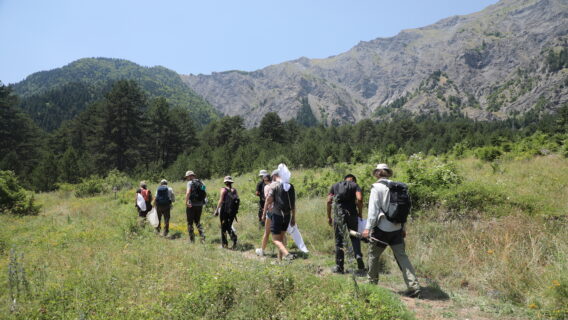
- Carry out field surveys: Collect specimens and data from historical and potential habitats.
- Analyse and identify samples: Process and identify collected specimens through laboratory work.
- Deliver outreach activities: Organise activities for schools, educators and young researchers.
- Disseminate scientific results: Share findings with the scientific community to support future conservation.