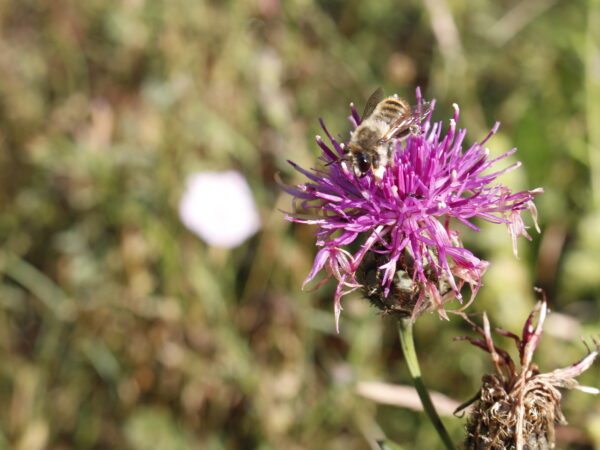
Designing effective urban refuges for bees (Spain)
Project description
Urban green infrastructure offers important opportunities to support pollinators, but many initiatives are not designed with the specific ecological needs of bees in mind. As a result, they often fail to sustain diverse and stable bee populations over time.
This project aims to improve how urban habitats for bees are designed and managed by developing a practical, science-based protocol for creating effective “bee refuges”. The approach will consider both floral resources and nesting requirements, building on existing knowledge and previous experiences.
Threats

Habitat loss & degradation

Impact of agricultural practices
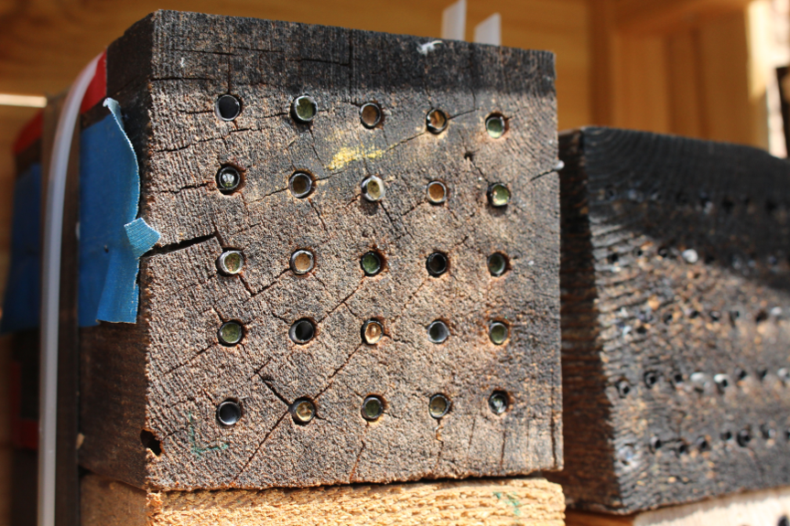
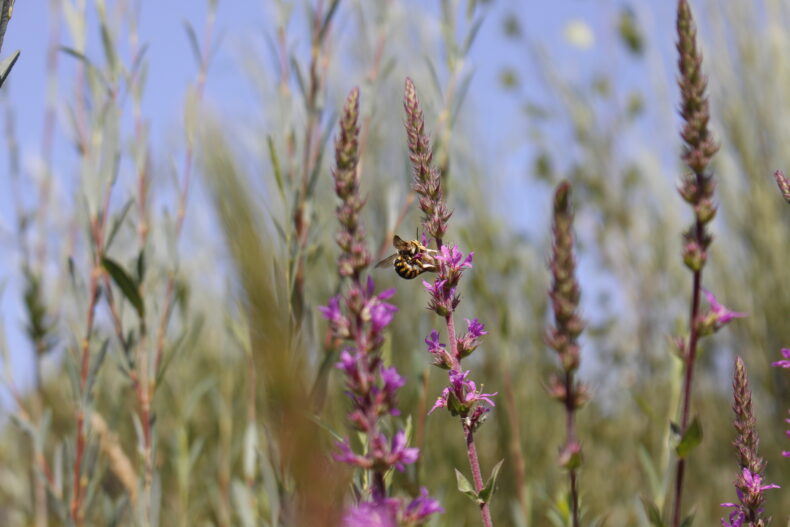
The protocol will be tested in an urban park in Viladecans (Barcelona, Spain), where a pilot bee refuge will be established and monitored. The project also explores how these refuges can support long-term monitoring and citizen science, involving local authorities and the public in bee conservation.
Project objectives
The project aims to develop and test a practical protocol for designing, establishing and monitoring effective bee refuges in urban environments. It seeks to improve the ecological effectiveness of urban green infrastructure by aligning it with the specific needs of bee species.
The project also aims to evaluate the potential of these refuges as tools for monitoring pollinators and supporting citizen science initiatives.
Finally, it aims to engage local stakeholders and citizens in pollinator conservation through participatory approaches.
Project activities
- Develop a design protocol: Create guidelines for effective urban bee refuges based on scientific knowledge.
- Assess monitoring potential: Evaluate how bee refuges can support monitoring schemes and citizen science.
- Implement and test a pilot site: Establish and monitor a bee refuge in an urban park in Viladecans.
This project is part of the European Fund for Youth Action on Pollinators.