Community conservation of the northern sportive lemur
Project description
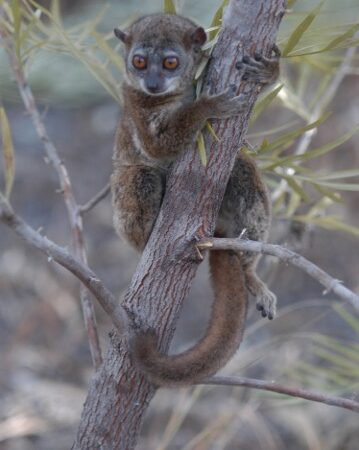
The northern sportive lemur (Lepilemur septentrionalis) is among the world’s most threatened primates, with fewer than 100 individuals surviving in the fragmented dry forests of northern Madagascar. Facing imminent extinction, the species urgently requires coordinated, community-centred action to safeguard its remaining habitat and stabilise the last populations.
Threats

Habitat loss & degradation

Over-exploitation of natural resources & prey depletion
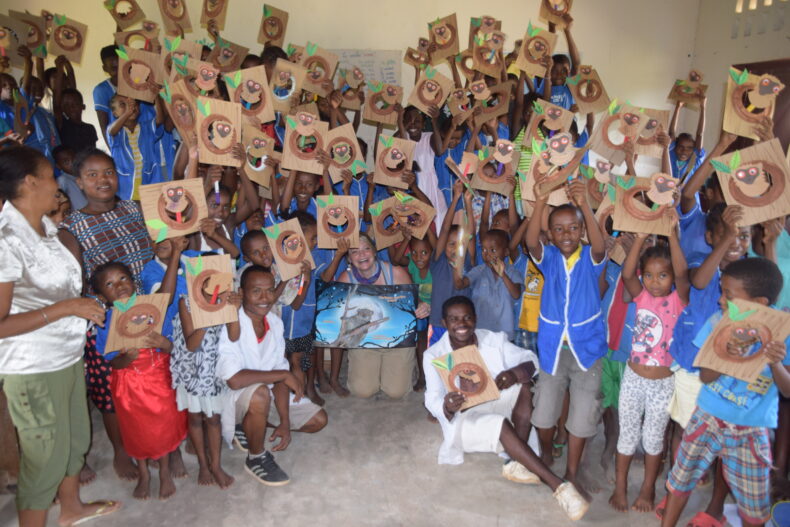
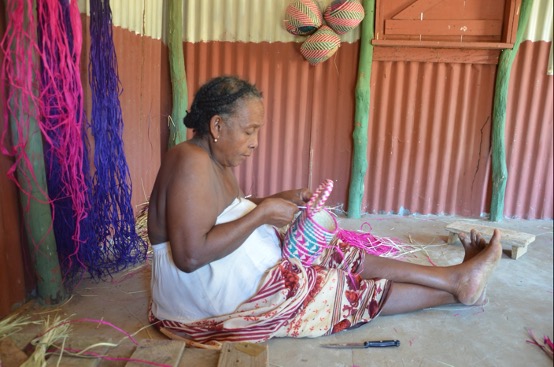
Miaraka (“together” in Malagasy) is a locally led initiative implemented by Conservation Fusion and the Madagascar Biodiversity Partnership (MBP) that combines conservation education, forest restoration and community-based ecotourism to protect critical lemur habitat while strengthening sustainable livelihoods. The project promotes responsible biodiversity use, equitable benefit-sharing and inclusive ecotourism opportunities that generate alternative income and create lasting incentives for forest protection. Rooted in culture, art and tradition, Miaraka fosters pride and stewardship while empowering women and youth as conservation leaders. Guided by a One Health approach that recognises the interdependence of ecosystem and human health, the project is restoring degraded forests, halting habitat loss and building a resilient future in which communities and the northern sportive lemur can thrive together.
This project is co-implemented by Conservation Fusion and Madagascar Biodiversity Partnership.
Project objectives
The primary objective of Miaraka is to prevent the extinction of the Critically Endangered northern sportive lemur by securing and restoring the last remaining forest fragments of Montagne des Français, while addressing the underlying socioeconomic drivers of habitat loss. The project aims to halt deforestation by reducing pressure on forests through alternative fuelwood production, diversified livelihoods and strengthened community-based forest management. In partnership with local authorities, Conservation Fusion and the Madagascar Biodiversity Partnership will support community patrols and build the capacity of local forest agents to enhance protection of critical lemur habitat.
A second objective is to restore degraded ecosystems by replanting native tree species, establishing buffer zones and reconnecting fragmented forest patches to expand available habitat and strengthen long-term ecosystem resilience.
The project also seeks to improve community wellbeing by developing sustainable livelihood opportunities, including beekeeping, fruit production, goat milk enterprises, handicrafts and community-based ecotourism. These activities will be supported through business training and equitable benefit-sharing mechanisms to ensure that conservation delivers tangible and lasting benefits for local people.
Finally, Miaraka will strengthen long-term stewardship by expanding environmental education, integrating traditional knowledge and using art and cultural expression to foster pride, leadership and community ownership of conservation.
Project activities
- Community-based forest protection and patrols: Train and equip local forest agents and community patrol teams, in partnership with government authorities, to monitor remaining forest fragments, deter illegal activities and strengthen protection of critical Northern Sportive Lemur habitat.
- Habitat restoration and buffer zone reforestation: Restore degraded forest through the planting of native tree species, the establishment of buffer zones and the expansion of habitat corridors, including dedicated fuelwood plantations to reduce pressure on natural forests.
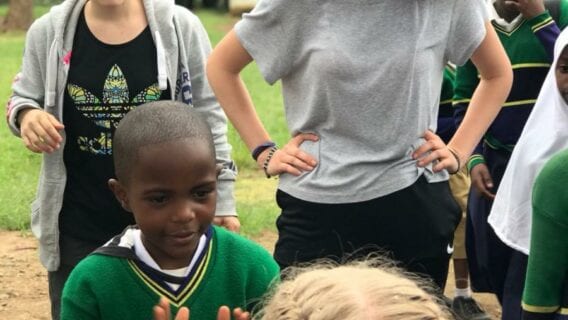
- Conservation education and youth leadership: Deliver environmental education programmes in three local schools and organise nature camps to build ecological knowledge, leadership skills and long-term stewardship among children and youth.
- Culture, art and community engagement: Co-create a large-scale community mural and lead storytelling and cultural activities to strengthen local ownership, pride and visible community commitment to lemur conservation.
- Ecotourism and sustainable livelihood development: Expand community-based ecotourism infrastructure, including treehouses, and support alternative livelihood activities that generate sustainable income directly linked to forest protection.