Building corridors to connect diademed sifaka populations while reinforcing resilience
Project description
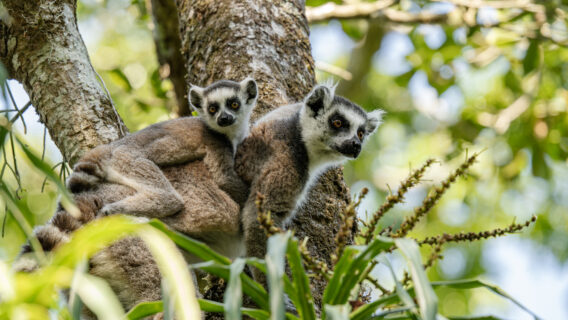
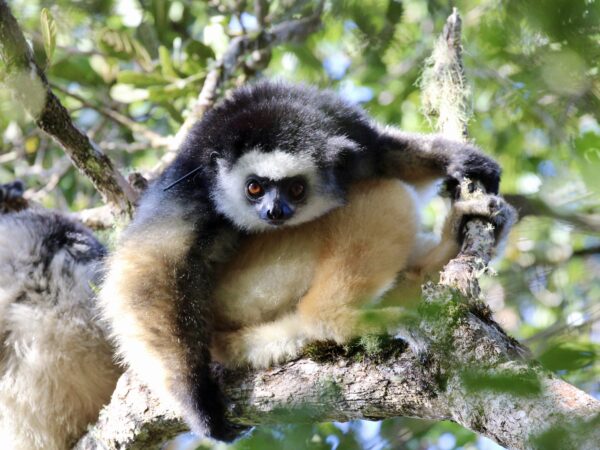
Diademed sifakas are among the largest lemurs and are classified as Critically Endangered due to habitat loss and hunting. Their populations are naturally low in density, making them particularly vulnerable to environmental pressures.
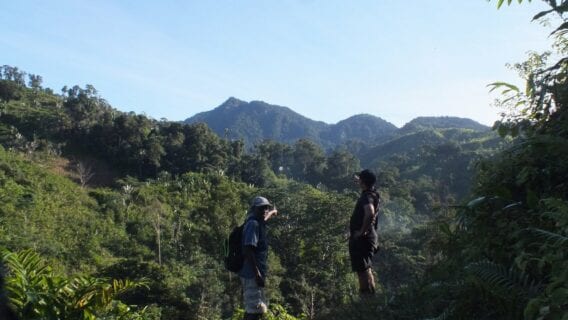
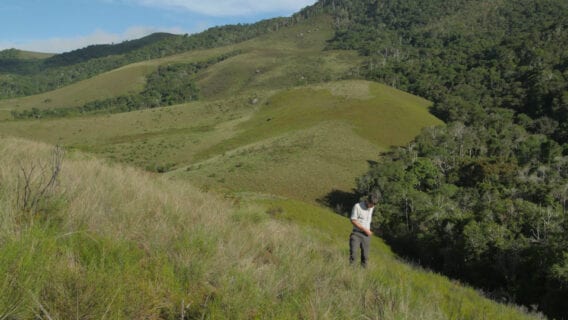
This project focuses on the Tsinjoarivo-Ambalaomby Protected Area in Madagascar, aiming to strengthen its role in safeguarding this species. It will assess the current population of diademed sifakas, improve habitat connectivity through restoration, and support local communities in reducing pressure on forest resources.
Threats

Habitat loss & degradation
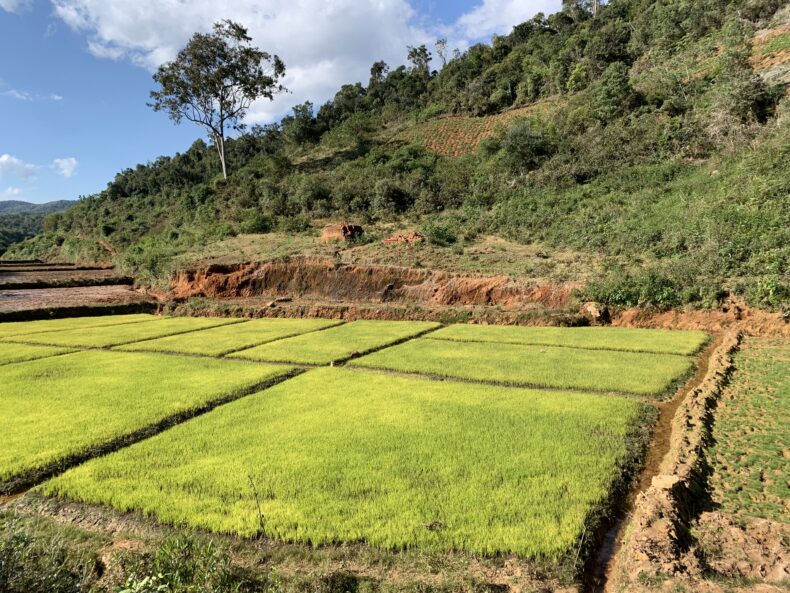
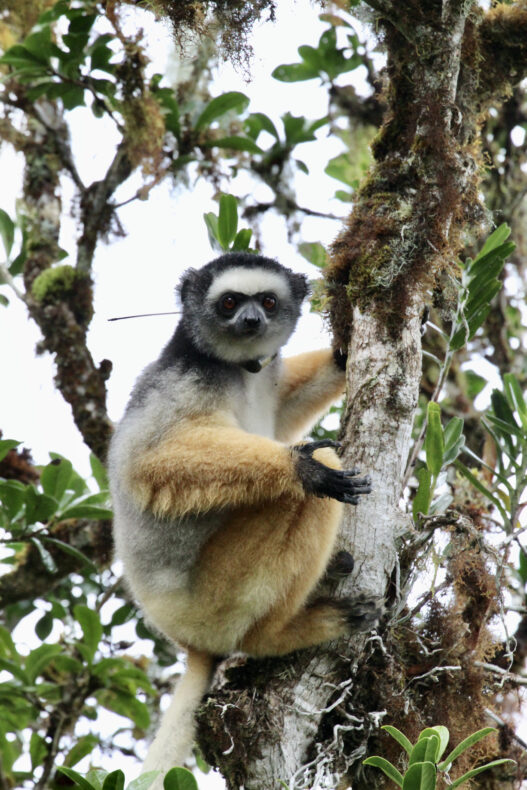
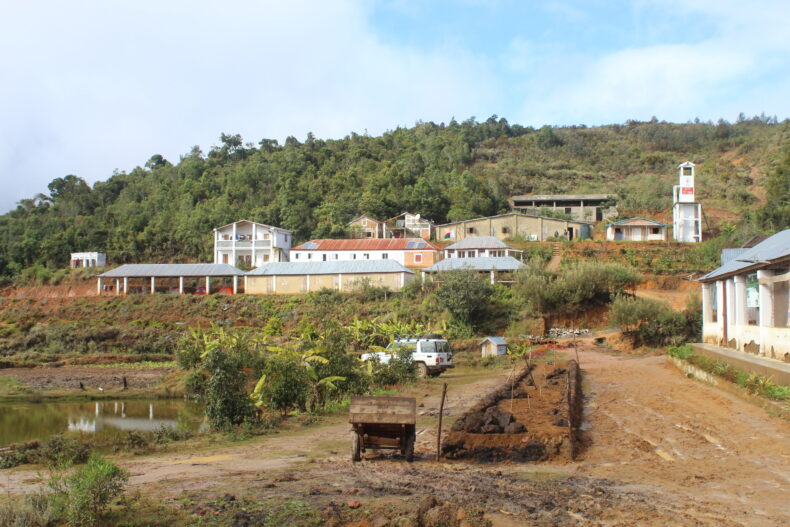
By combining scientific monitoring, habitat restoration and livelihood support, the project seeks to ensure the long-term survival of sifaka populations while promoting sustainable coexistence between people and nature.
This project is implemented by Sadabe.
Project objectives
The project aims to assess the effectiveness of the Tsinjoarivo-Ambalaomby Protected Area in conserving diademed sifakas by estimating population size and distribution. It seeks to improve habitat quality and connectivity through restoration and the establishment of forest corridors, supporting long-term population viability.
The project also aims to strengthen local livelihoods by promoting sustainable alternatives that reduce reliance on natural resource extraction.
Finally, it aims to raise awareness and build local capacity for conservation through environmental education.
Project activities
- Assess sifaka populations: Conduct surveys using group counts and transect methods to estimate population size.
- Restore habitats and corridors: Establish tree nurseries, carry out reforestation and define protected corridors.
- Support sustainable livelihoods: Provide training and resources for timber and fruit tree production.
- Deliver environmental education: Engage schools and communities in conservation awareness activities.