
Species
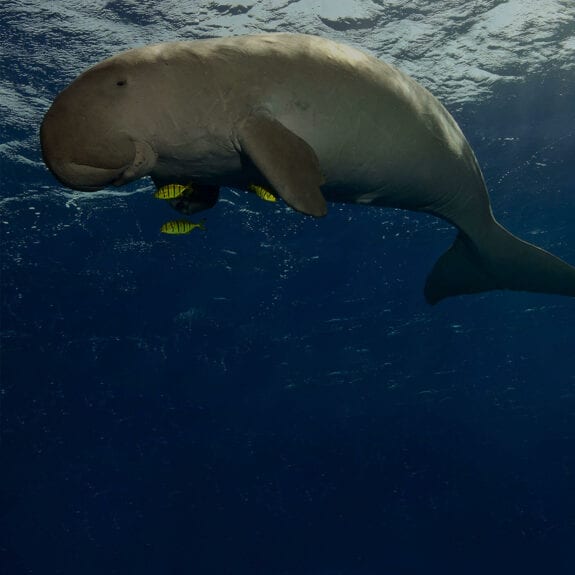
We create the conditions necessary for species populations to increase, thrive and naturally recolonise their habitats.
1. Monitoring species populations and threats
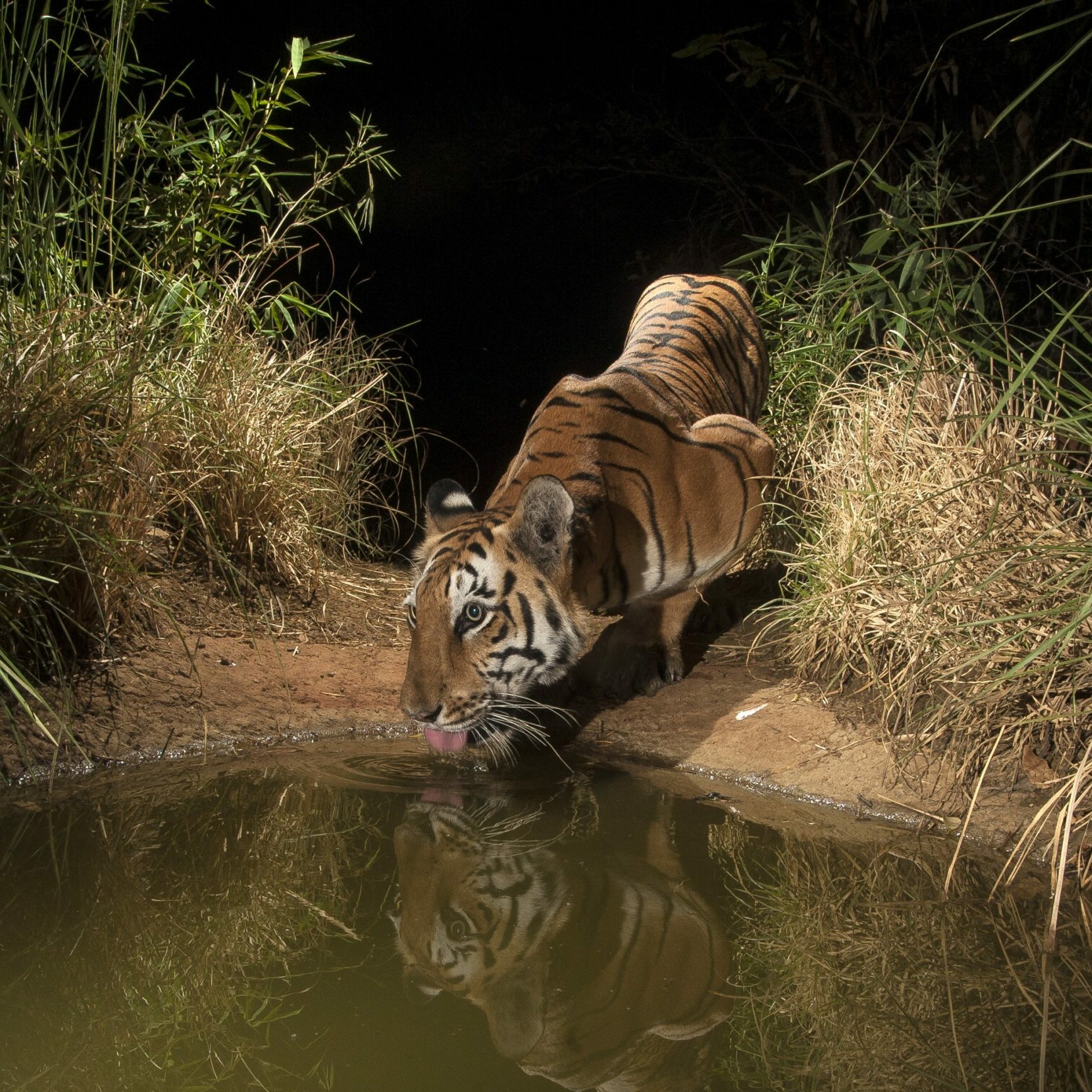
We generate robust scientific evidence by monitoring population size and trends, distribution, behaviour and key threats affecting threatened species. Through field surveys, remote sensing, community monitoring and data sharing with national and global platforms, our projects provide the knowledge needed to design effective conservation strategies, track recovery, and inform national and international conservation policies.
2. Preventing poaching and unsustainable and illegal wildlife trade
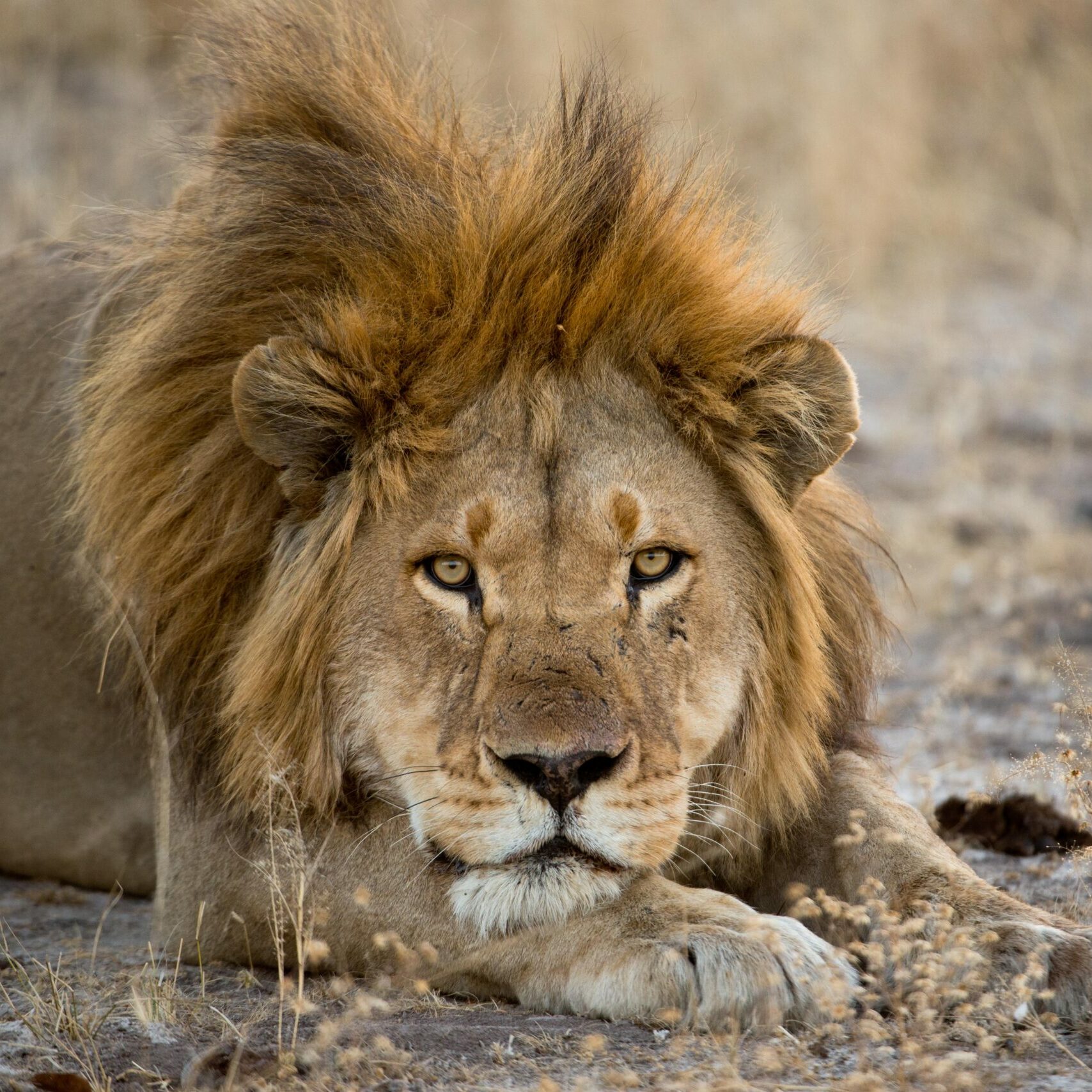
We work with governments, communities and frontline rangers to reduce illegal killing, trafficking and unsustainable exploitation of wildlife. Our projects strengthen surveillance and enforcement, improve intelligence and cross-border cooperation and engage local communities as stewards and first responders, helping to safeguard species while supporting lawful and sustainable use of natural resources.
3. Preventing and managing invasive alien species
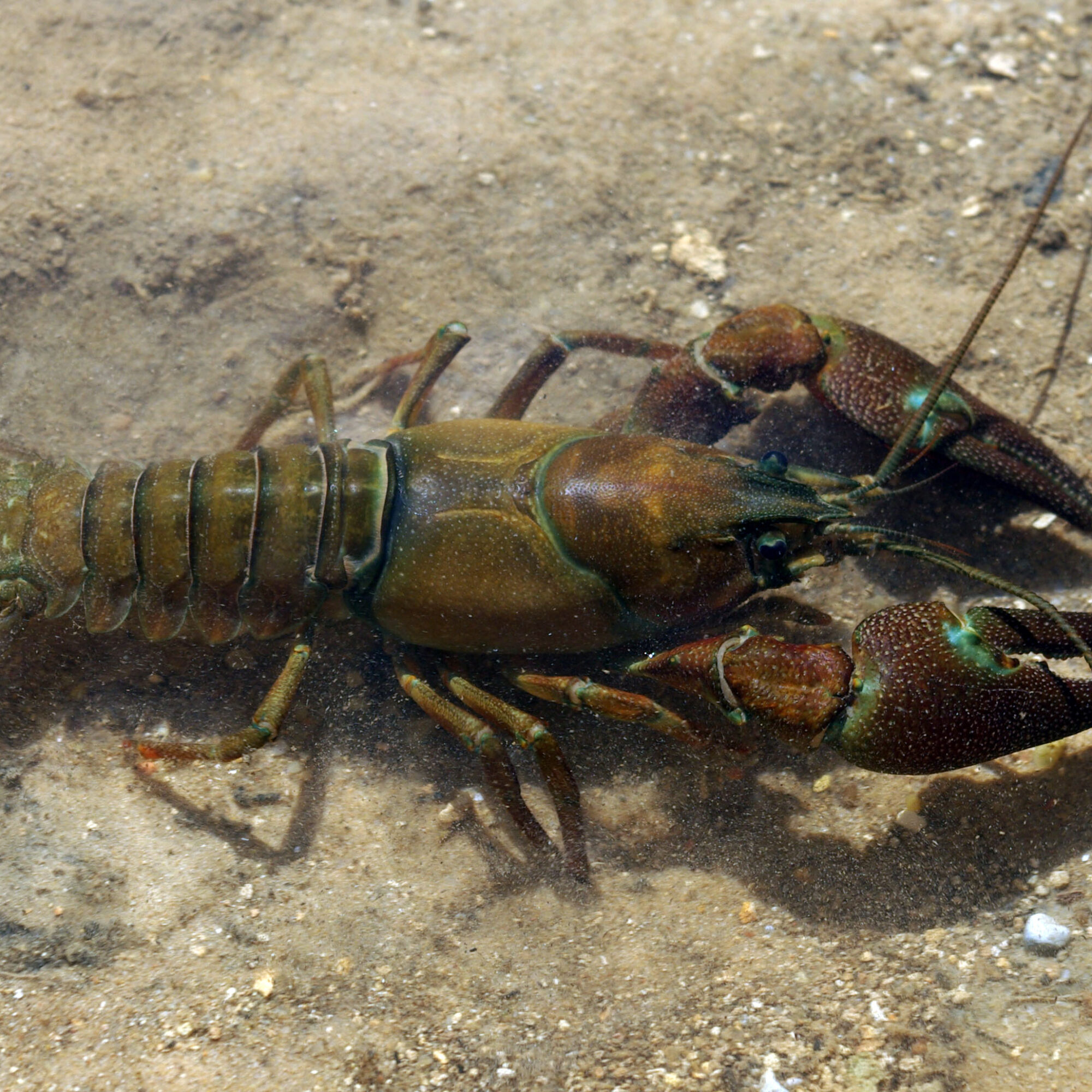
We support early detection, rapid response and long-term management of invasive alien species that threaten native wildlife. By strengthening biosecurity, restoring invaded habitats and building local capacity for coordinated action, our projects reduce biodiversity loss and protect ecosystem functions essential for species survival and human well-being.
4. Improving disease management through One Health approaches
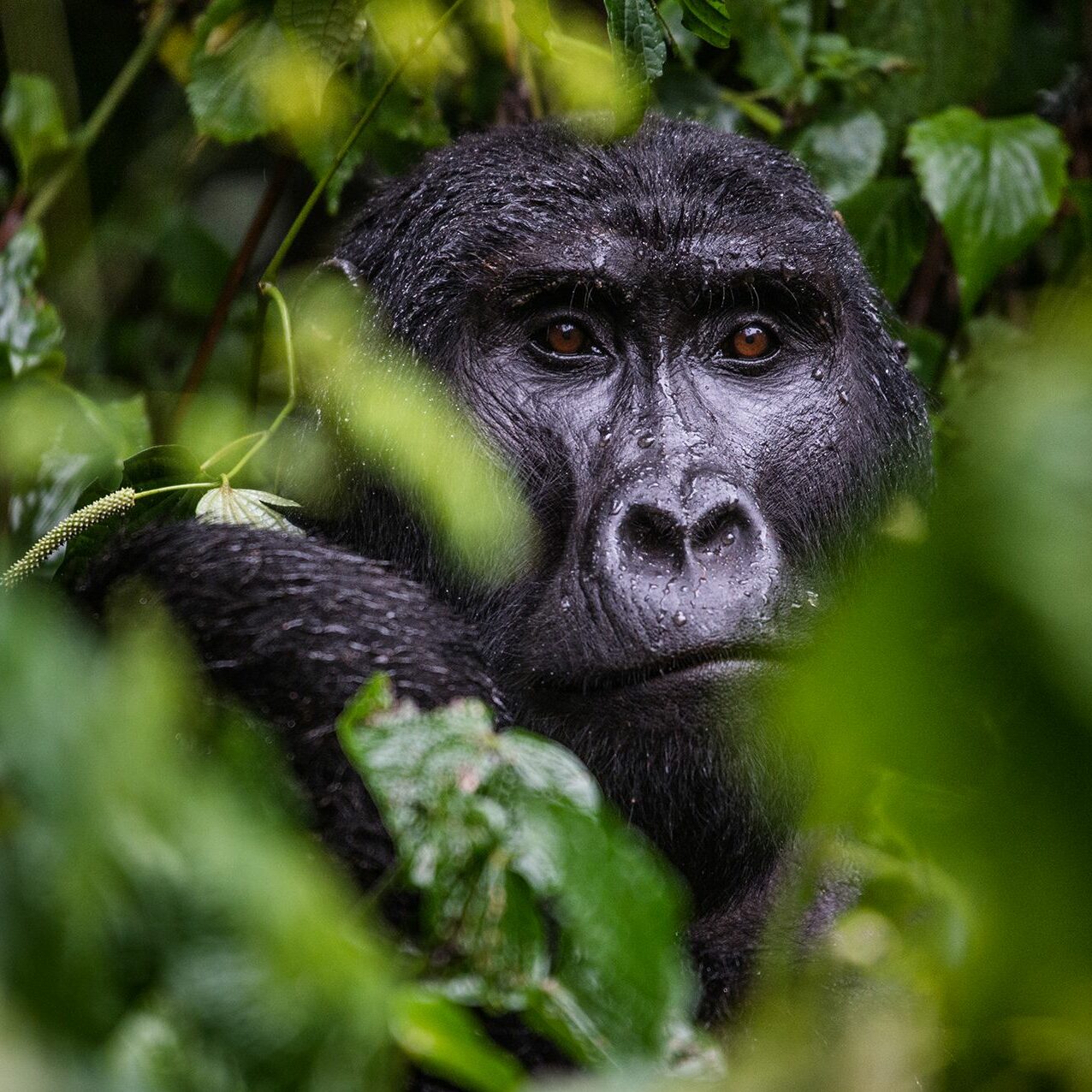
We address wildlife health risks by applying integrated One Health approaches that recognise the links between human, animal and ecosystem health. Our projects strengthen disease surveillance, improve biosecurity and promote cross-sector collaboration to prevent outbreaks, reduce mortality in threatened species, and protect the health and livelihoods of communities living alongside wildlife.
5. Developing species action planning and recovery strategies
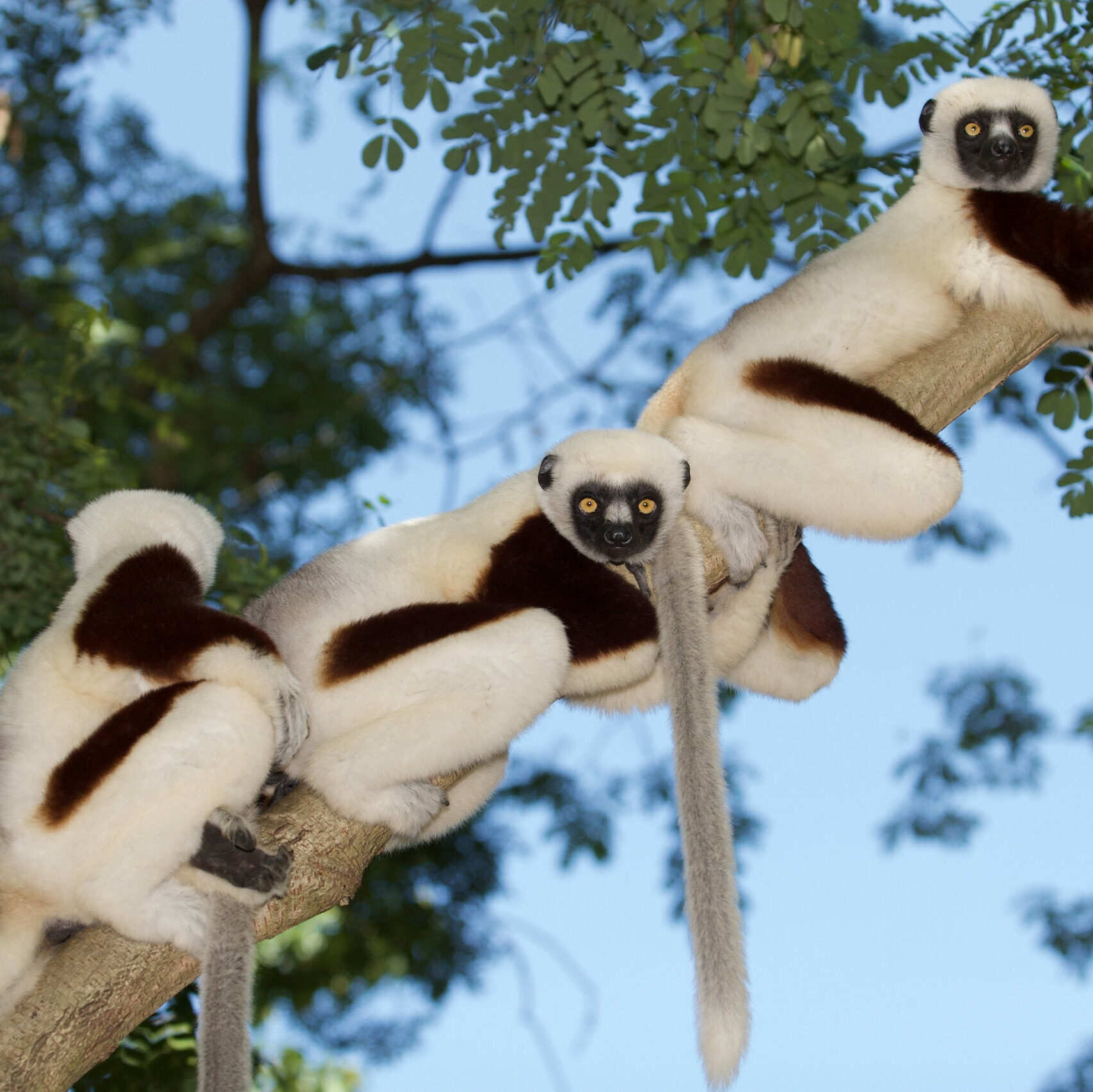
We support the development and implementation of national and transboundary species recovery plans based on Red List assessments, priority-setting frameworks and best available science. By strengthening national strategies and action plans, our work helps countries deliver the priority actions needed for effective, coordinated conservation and long-term species recovery, while directly supporting implementation of the Kunming–Montreal Global Biodiversity Framework (GBF).