
Habitat
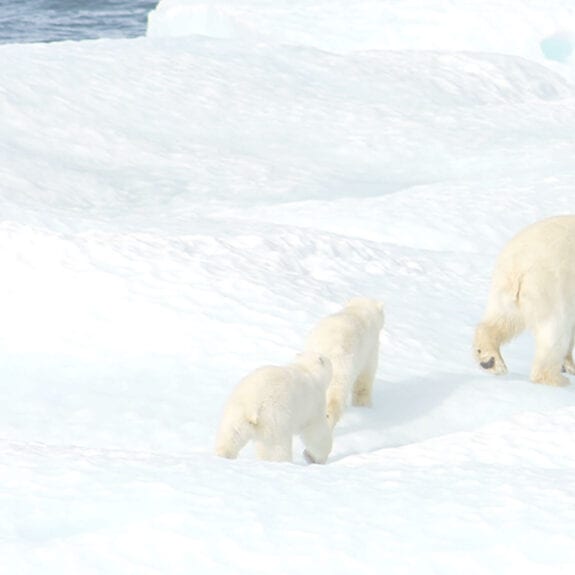
We aim to improve the management of protected and conserved areas, restore degraded ecosystems and enhance connectivity of critical species habitats.
Managing protected and conserved areas effectively
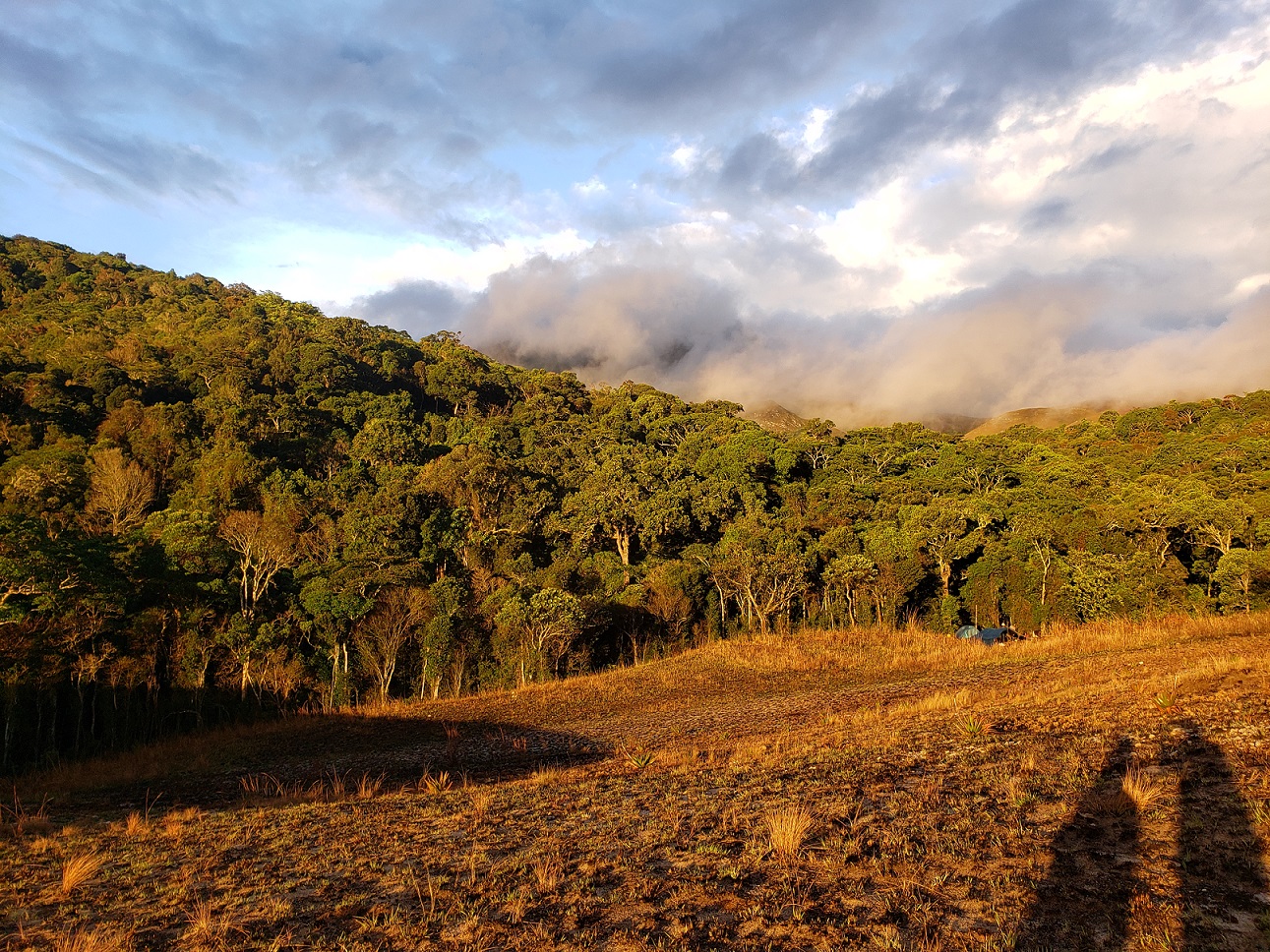
We strengthen the governance, planning and day-to-day management of protected and conserved areas to secure critical habitats for biodiversity. Our projects improve site management effectiveness, support rangers and managers, enhance monitoring and enforcement, and promote inclusive governance models that recognise the role of Indigenous Peoples and local communities in safeguarding nature.
2. Protecting, restoring and connecting habitats
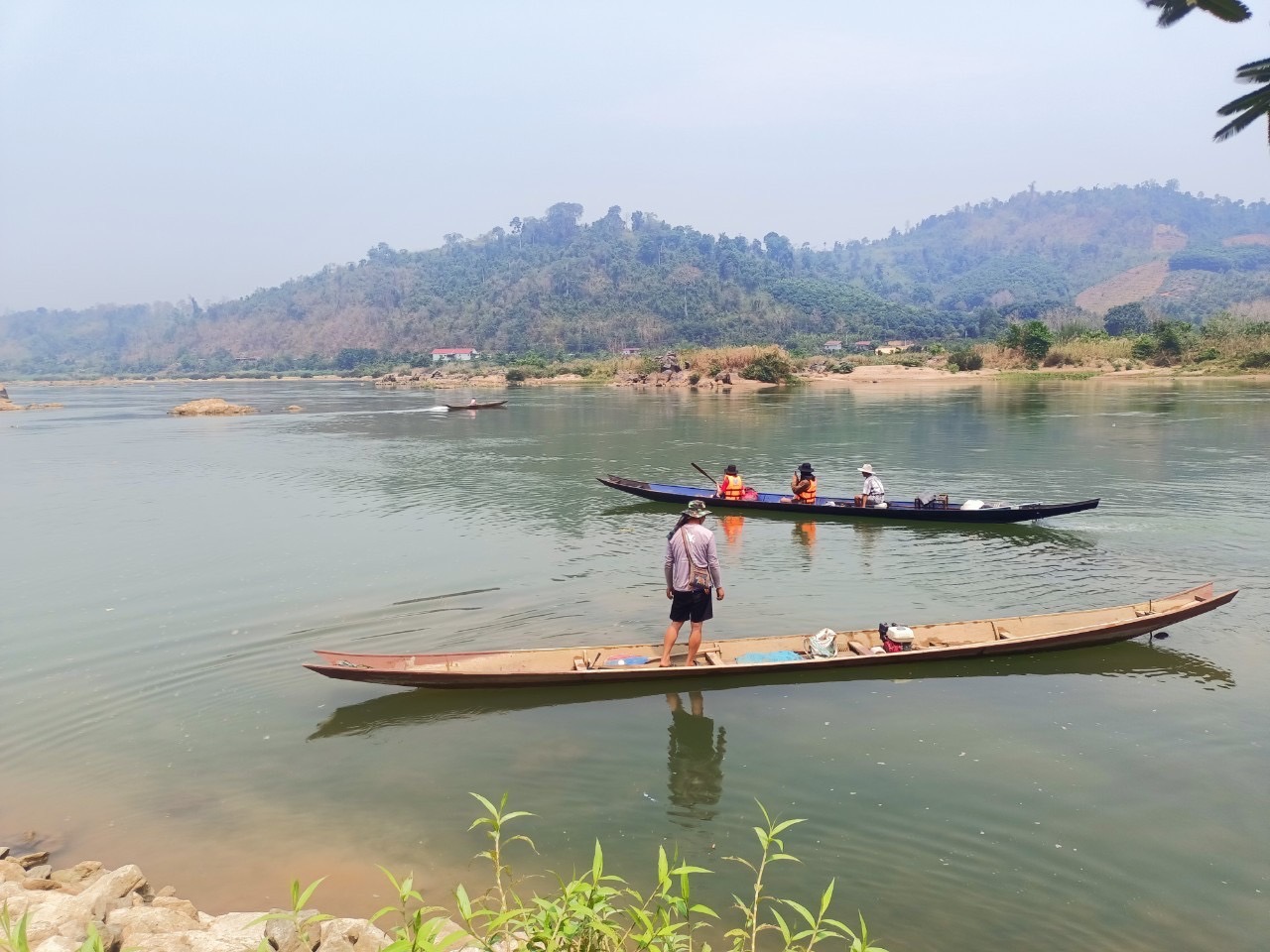
We protect remaining natural habitats, restore degraded ecosystems and enhance ecological connectivity across landscapes and seascapes. By rehabilitating forests, wetlands, grasslands, rivers and coastal systems, and by establishing corridors between fragmented sites, our projects improve ecosystem resilience and create the conditions needed for species to recover and adapt to climate change.
3. Promoting transboundary collaboration
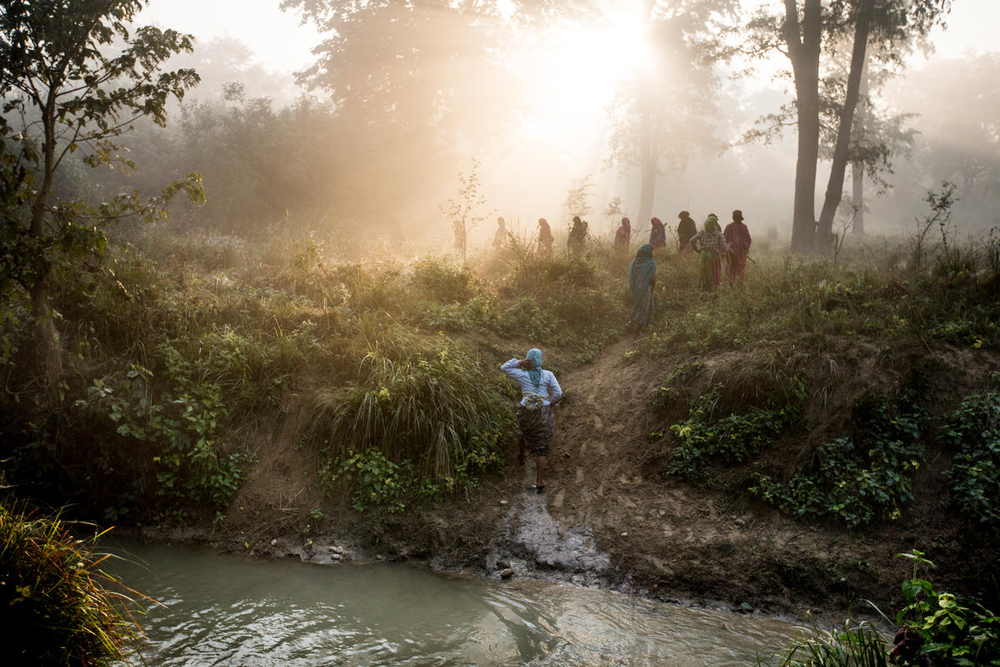
We support cooperation across national borders to conserve shared ecosystems, migratory species and ecological corridors. By strengthening joint monitoring, harmonising management approaches and facilitating dialogue between neighbouring countries and institutions, our projects enable coordinated action at the scale required to protect biodiversity that transcends political boundaries.