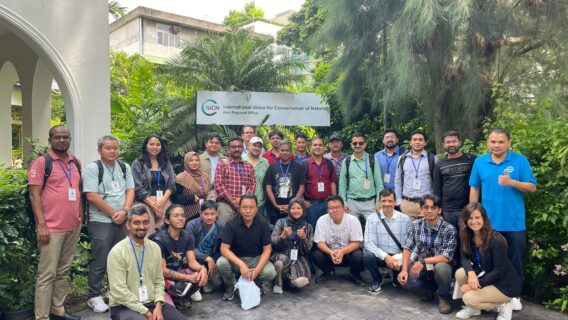
Initiative
Integrated Tiger Habitat Conservation Programme
Funding


The initiative is funded by The German Cooperation via KfW Development Bank over four phases.

The Integrated Tiger Habitat Conservation Programme (ITHCP) is IUCN’s flagship tiger initiative, funded by the German Cooperation (BMZ) through KfW Development Bank. Launched in 2014, ITHCP is a multi-country grant-making programme that funds practical, science-based projects across priority tiger landscapes in Asia.
ITHCP supports governments, international and national NGOs, research institutions, Indigenous Peoples and local communities to strengthen site-based protection, improve habitat management and connectivity, and promote sustainable livelihoods for people living alongside tigers. Its portfolio approach enables locally led action that responds to ecological, social and institutional needs at the landscape scale.
By bringing together diverse partners around shared conservation goals, the programme recognises that long-term tiger recovery depends on inclusive, integrated approaches that deliver benefits for both nature and people.
ITHCP was established to support the Global Tiger Recovery Programme and contributes to the achievement of global goals, including the Sustainable Development Goals and the Kunming-Montreal Global Biodiversity Framework (GBF) targets.
Why tigers matter
Tigers are apex predators and an umbrella species: protecting them helps conserve entire ecosystems and the many species that share tiger habitats. Healthy tiger landscapes also contribute to climate mitigation and adaptation (as major carbon sinks), strengthen ecosystem resilience, and can reduce risks associated with environmental degradation that affect human well-being. Tiger landscapes are also vital for millions of people, providing freshwater, livelihoods, and cultural and spiritual values that have shaped local identities for generations.
Tigers are listed as Endangered on the IUCN Red List of Threatened Species™, and today they occupy less than 7% of their historic range. Their decline is a clear indicator of broader pressures on forests and wildlife, including habitat loss, fragmentation, poaching, and climate change, making tiger conservation a powerful entry point for addressing wider biodiversity and sustainability challenges at scale.
Our approach
ITHCP delivers impact through a multidimensional approach that integrates:
- Protecting species: Strengthening anti-poaching efforts, wildlife monitoring and human-wildlife conflict mitigation measures to protect tigers and their prey.
- Preserving habitats: Supporting effective management of protected and conserved areas, buffer zones and corridors, and restoring degraded habitats to sustain viable tiger populations.
- Supporting people: Supporting and empowering Indigenous Peoples and local communities through sustainable livelihoods and awareness raising programmes, with a participatory, rights-based approach.
Impact at a glance (2014-2024)
- Contributed to an estimated 40% increase in tiger numbers globally between 2015 and 2022
- 44 protected and conserved areas supported
- 10,500+ hectares restored and 500,000+ trees planted
- 95,000+ people supported with sustainable livelihoods
- 675,000+ people reached through awareness raising activities
- 10,000+ people trained in to improve management of tiger habitats
Where we work
ITHCP supports projects across seven tiger range countries: Bangladesh, Bhutan, India, Indonesia, Myanmar, Nepal, and Thailand. Together, these countries represent some of the world’s most important remaining strongholds for wild tigers and encompass a wide diversity of ecological, social, and governance contexts.
Work focuses on critical Tiger Conservation Landscapes, including the Terai Arc, Sundarbans, Dawna Tenasserim, Sumatra, Greater Manas, among others. These landscapes span transboundary forests, riverine and mangrove ecosystems, and densely populated multiple-use areas, where long-term tiger recovery depends on habitat connectivity, coexistence with people, and strong local and national institutions.
What ITHCP supports
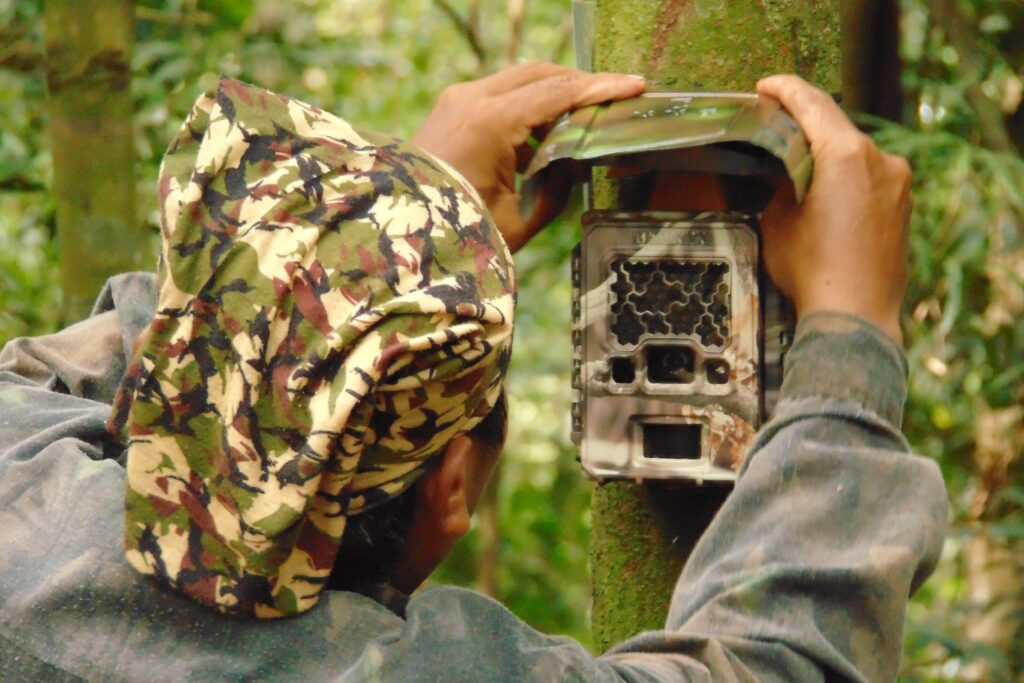
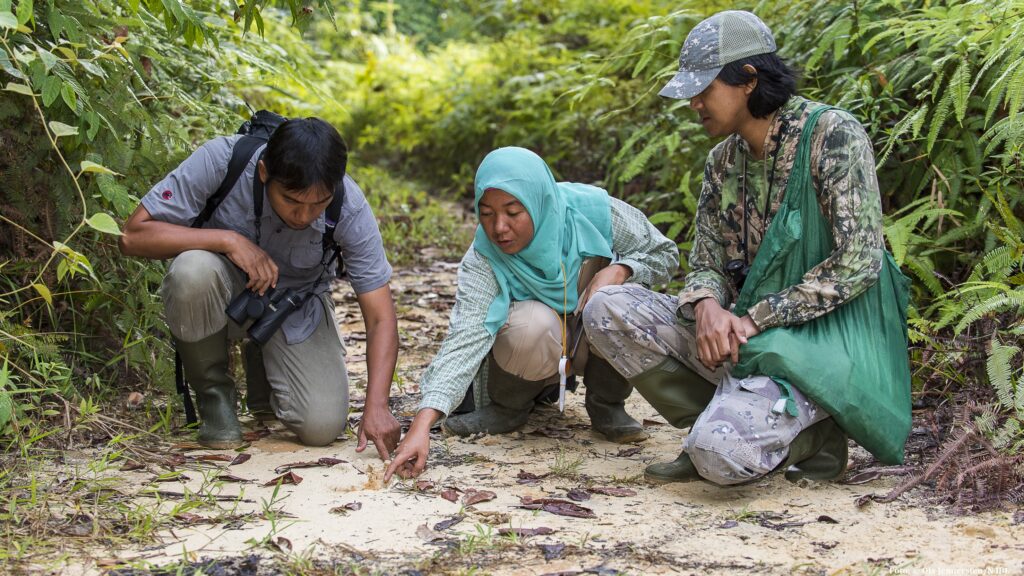
Monitoring tigers and their prey: ITHCP supports robust monitoring (e.g., camera-trap surveys, eDNA sampling and field surveys) to inform adaptive management and strengthen national and site-level decision-making.
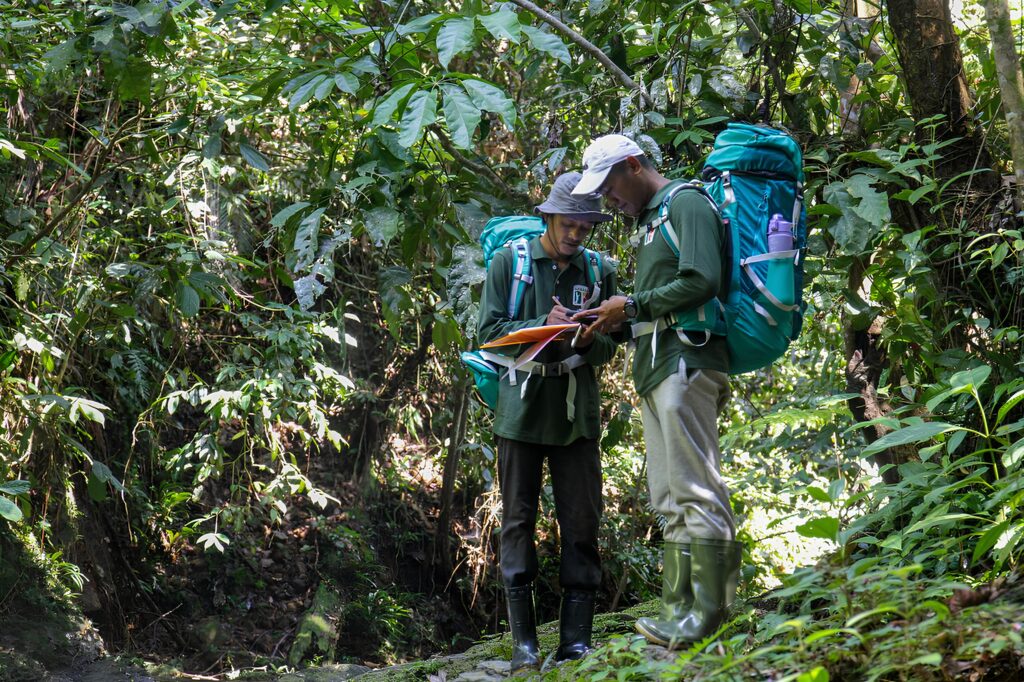
Addressing poaching and illegal trade: ITHCP strengthens ranger capacity, patrol effectiveness (including systems such as SMART and MSTrIPES), and collaboration with communities, while prioritising safeguards and safety protocols.
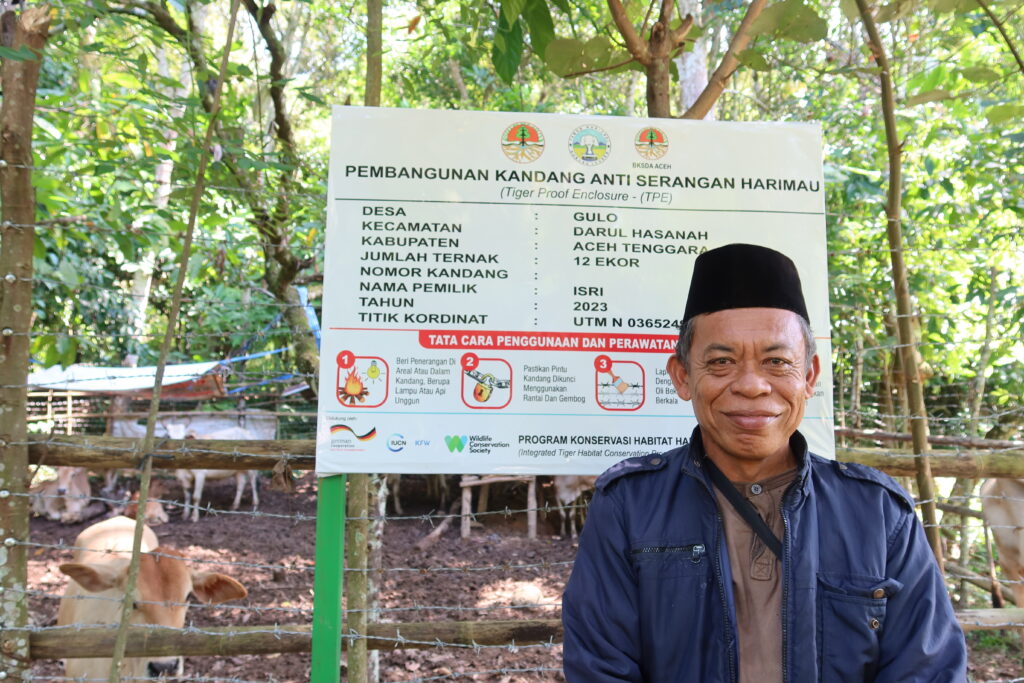
Promoting human–wildlife coexistence: Projects implement prevention and response measures (e.g., response teams, deterrents, predator-proof corrals, early warning systems) and support communities to access or operationalise compensation mechanisms.
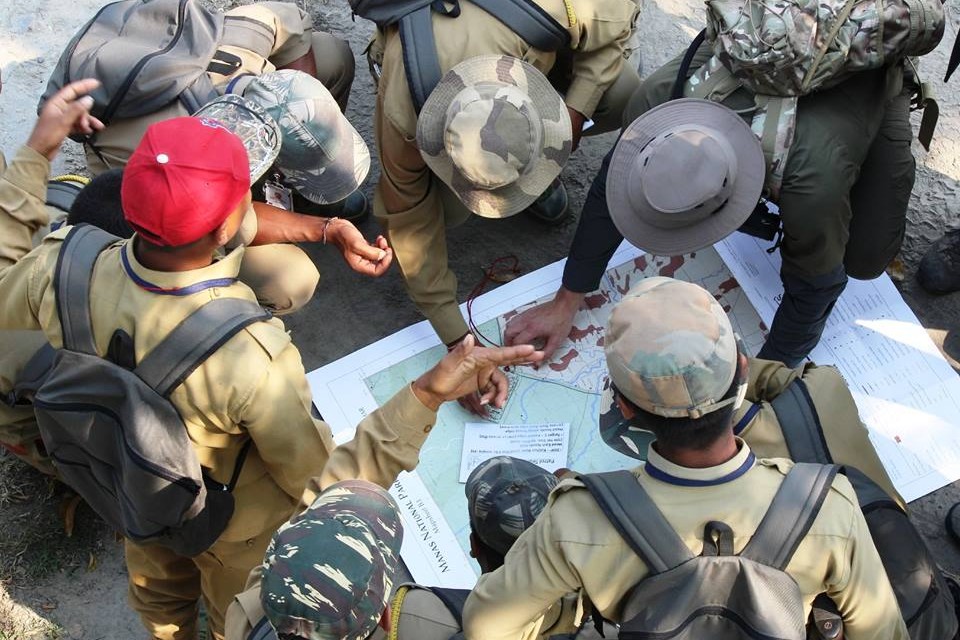
Managing protected and conserved areas effectively: ITHCP supports the development of management plans and the use of assessment tools to strengthen protected areas management effectiveness and long-term conservation outcomes.
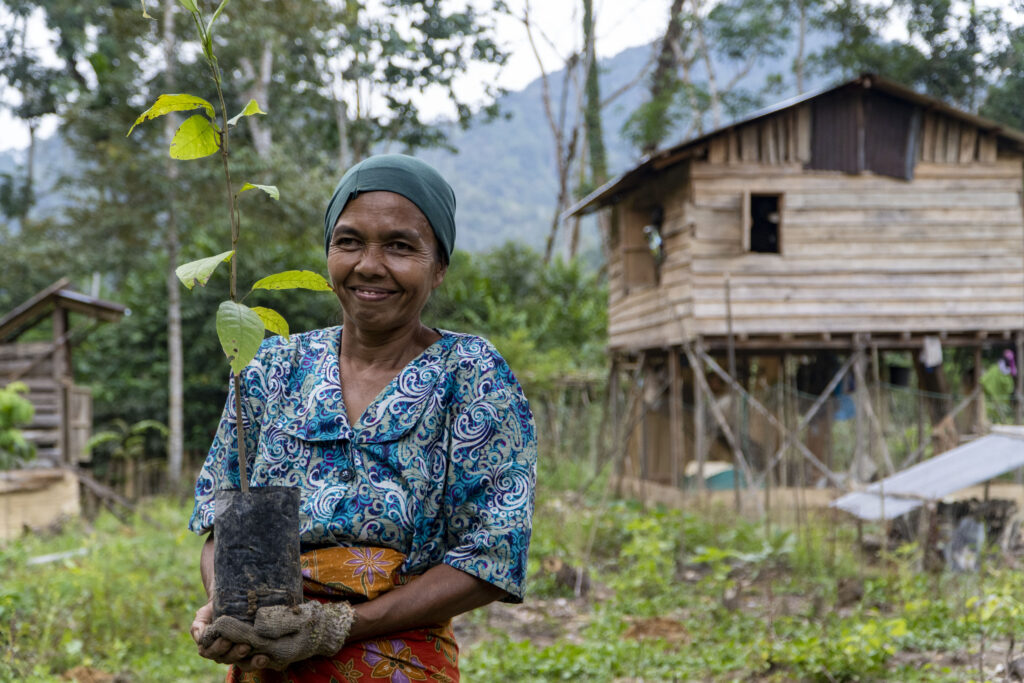
Protecting, restoring and connecting habitats: The programme invests in corridors, restoration and improved management to safeguard habitat integrity and connectivity essential for viable tiger populations.
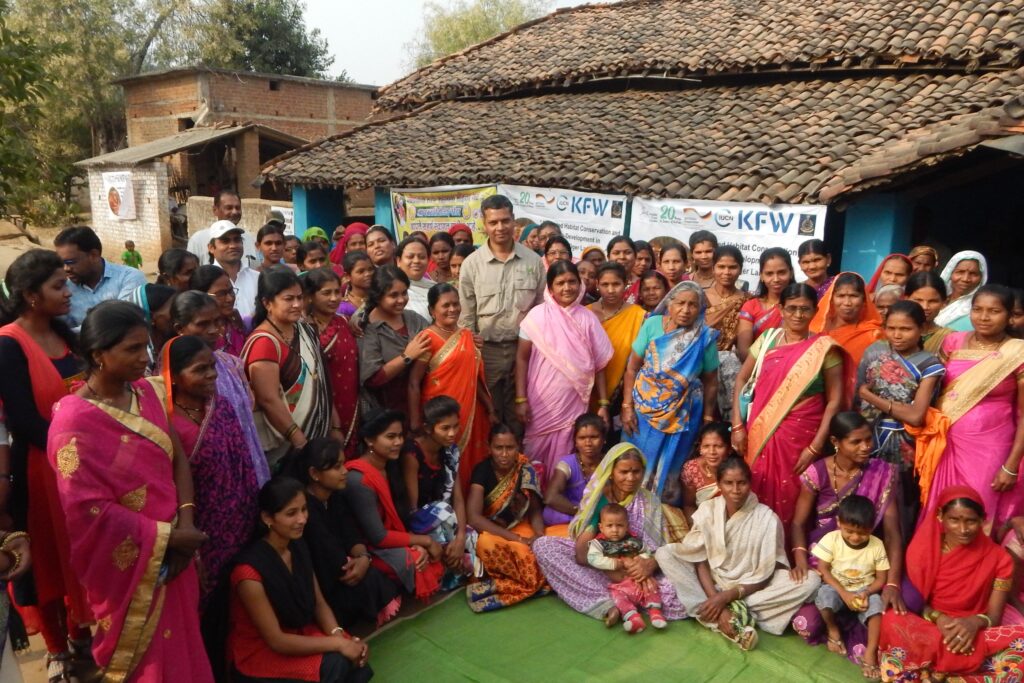
Engaging Indigenous Peoples and local communities: ITHCP supports participatory planning, locally appropriate governance approaches, and community-led initiatives that reinforce stewardship and reduce conflict risks.
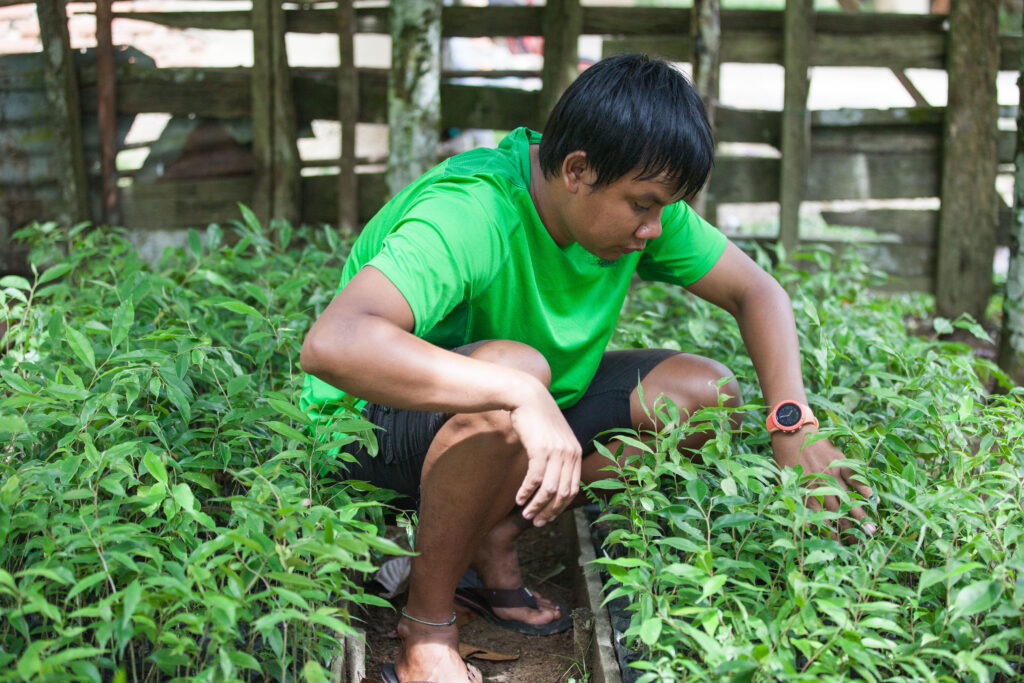
Promoting sustainable use of natural resources and alternative livelihoods: ITHCP supports sustainable livelihood approaches that reduce pressure on tiger habitats while strengthening community resilience, including through community groups, cooperatives and locally driven, nature-positive income opportunities.
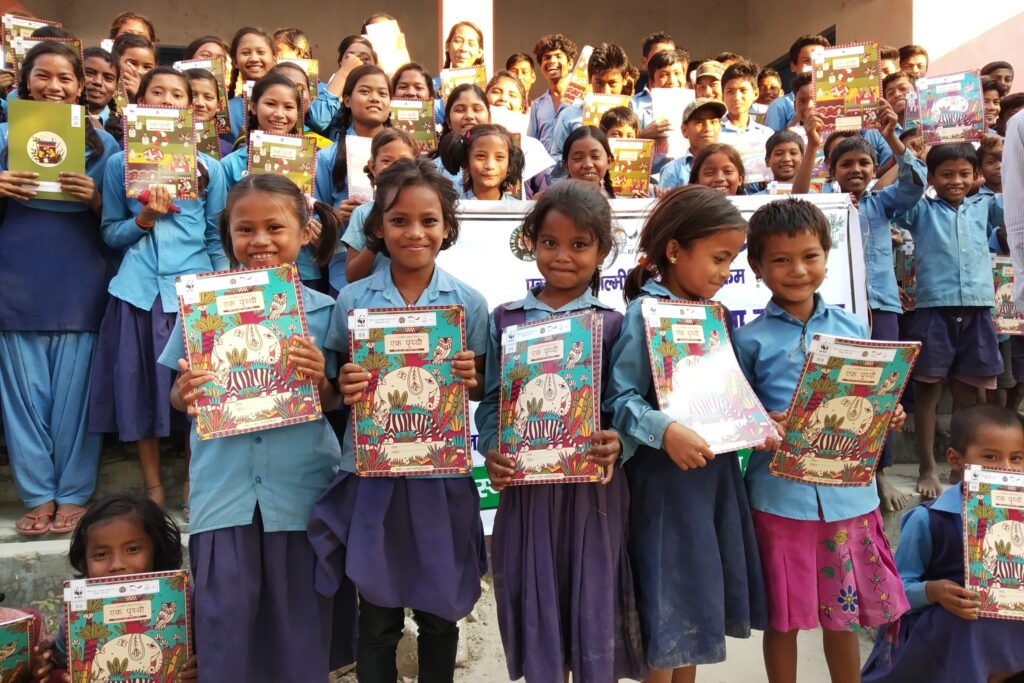
Raising awareness about tiger conservation: ITHCP reaches communities and wider audiences through targeted awareness activities to reduce threats and strengthen long-term support for tiger conservation.
Featured story: Protecting tigers, protecting futures
ITHCP is featured in Living Legacy, a global film series produced for IUCN by BBC StoryWorks.
One of the spotlight episodes follows the work of the Integrated Tiger Habitat Conservation Programme in Nepal, where science-based protection, strong partnerships and community engagement have helped drive a remarkable recovery of tiger populations in Bardiya National Park. The film illustrates how investing in habitat protection, law enforcement, monitoring and local livelihoods can deliver lasting benefits for both wildlife and people, and shows how long-term, collaborative conservation is bringing tigers back from the brink.
Safeguards and accountability
ITHCP applies a robust Environmental and Social Management System (ESMS) to identify, assess and mitigate environmental and social risks across the project cycle, aligned with the IUCN ESMS Standards and sustainability requirements, including KfW Sustainability Guidelines and other relevant international standards. Key elements include:
- Environmental & Social Screening to identify risks associated with individual ITHCP projects;
- A project-level Environmental and Social Management Plan (ESMP);
- Associated safeguard instruments, implemented and reported against through the project cycle, addressing risks such as access restrictions, human–wildlife conflict, labour conditions, and human rights considerations linked to law enforcement activities;
- Free, Prior and Informed Consent (FPIC);
- Strong emphasis on stakeholder engagement;
- Dedicated grievance mechanism at each project site.
Get involved
Protecting tigers is protecting ecosystems, cultures, and communities. ITHCP invites governments, donors, NGOs, and communities to join forces in building a future where tigers continue to thrive in the wild.