Sustaining lemur conservation and community resilience in the Mangabe Reserve, Madagascar
Project description
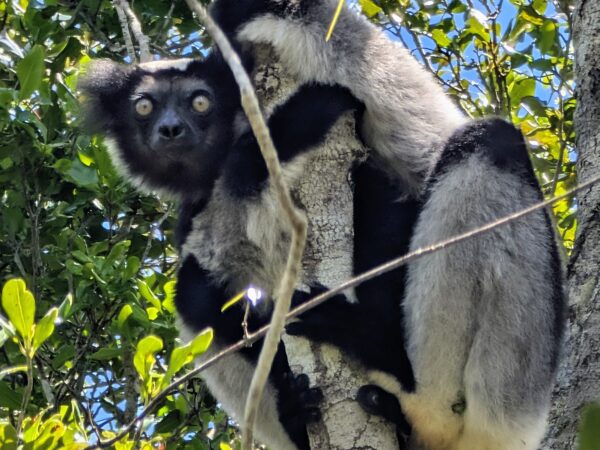
The Mangabe Reserve is home to ten endangered lemur species, including the indri (Indri indri), diademed sifaka (Propithecus diadema), and black-and-white ruffed lemur (Varecia variegata). These species are increasingly threatened by habitat loss caused by slash-and-burn agriculture, artisanal logging, and illegal forest clearing.
Threats

Climate change

Habitat loss & degradation
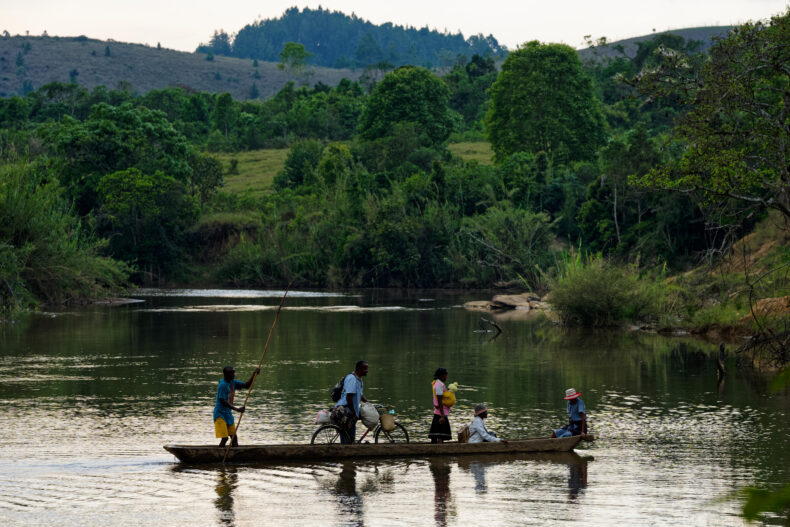
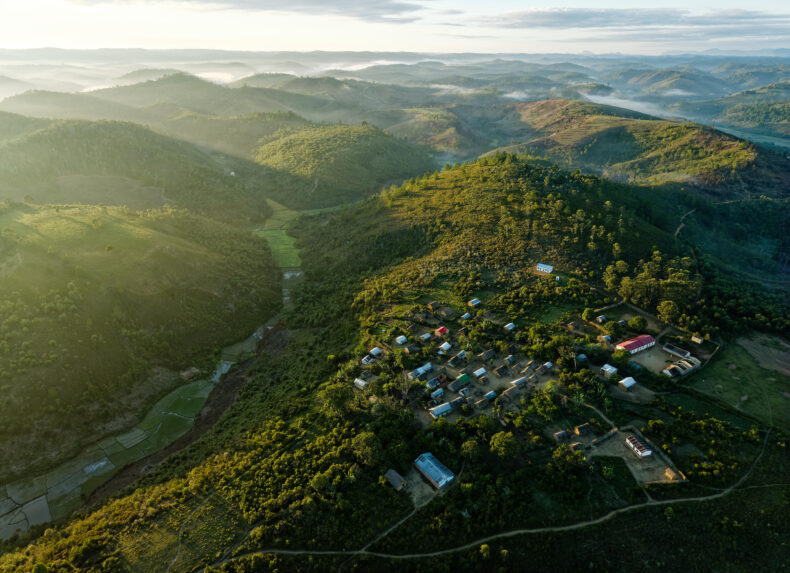
Madagasikara Voakajy has been active in the Mangabe landscape since 2008. Between 2015 and 2024, a youth-focused engagement programme supported 239 young people to adopt more sustainable farming practices, develop local leadership, and raise awareness of lemur conservation. Building on this foundation, the current project expands its scope from youth engagement to a community-wide approach in order to address persistent conservation challenges more effectively.
This project is implemented by Madagasikara Voakajy.
Project objectives
The project targets three key drivers of biodiversity loss: unsustainable agriculture linked to poverty, weak local governance and under-resourced community management bodies (VOIs), and limited ecological data to guide conservation planning. It combines livelihood support, capacity building, and ecological monitoring to strengthen local ownership and improve the long-term management of biodiversity-rich forests. By reinforcing the links between forest conservation, food security, and local governance, the project delivers integrated benefits for both people and nature.
The project objectives are to:
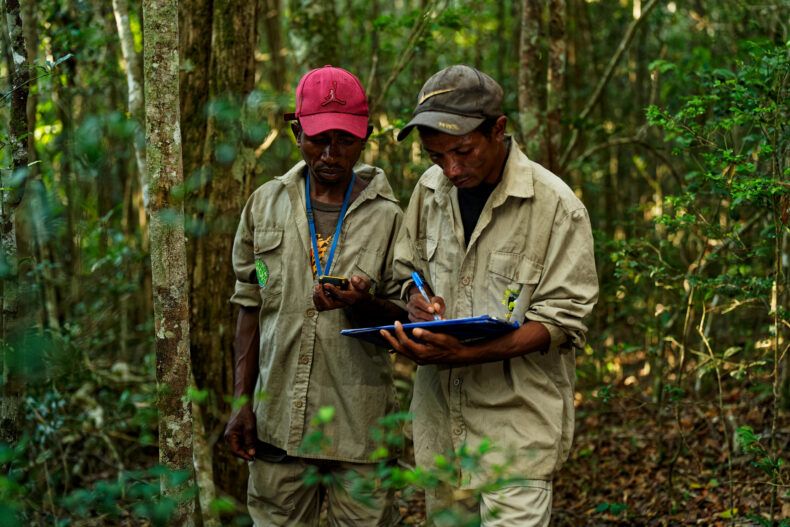
- Generate robust ecological data on the population status, spatial distribution, key threats, and habitat requirements of target lemur species in the Mangabe Reserve
- Support 500 households and three cooperatives to increase average household income by up to 80% while adopting sustainable land-use practices
- Strengthen 10 community-based organisations (CBOs) to implement at least 50% of their annual workplans using their own financial and technical resources
Project activities
-
Conduct population surveys to assess the current status and distribution of target lemur species
-
Establish and monitor Farmer Field Schools (FFS) to promote sustainable agricultural practices
-
Link cooperatives with financial partners to improve access to finance and market opportunities
-
Deliver tailored training workshops responding to the identified needs of community-based organisations (CBOs)