Protecting lemurs in Madagascar’s Mahafaly Spiny Forests
Project description
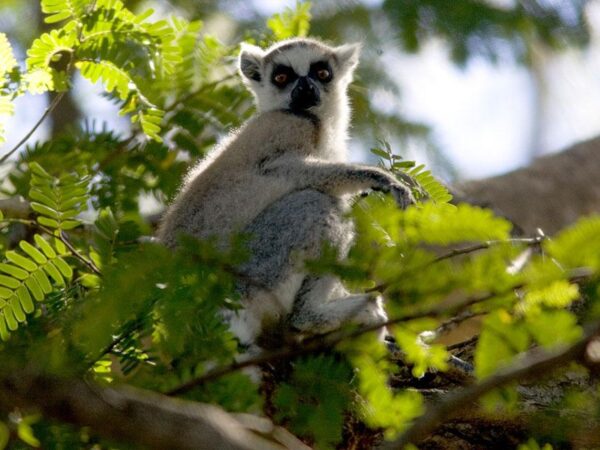
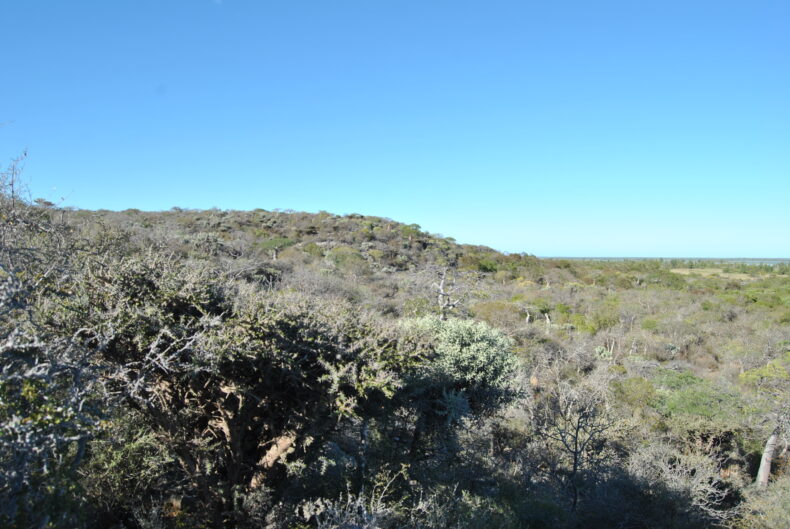
This project aims to safeguard lemur populations across the spiny forests of the Mahafaly terrestrial landscape in southern Madagascar, where two diurnal species occur: the ring-tailed lemur (Lemur catta, Endangered) and Verreaux’s sifaka (Propithecus verreauxi, Critically Endangered).
These lemurs are more than emblematic species of the Mahafaly landscape. They are globally unique ecological treasures and priority conservation targets, playing a vital role in maintaining forest biodiversity and ecosystem balance. However, their survival is increasingly threatened by habitat loss, illegal hunting, and the capture and trafficking of animals for the pet trade, pressures that are closely linked to widespread local poverty.
Threats

Climate change

Habitat loss & degradation

Poaching
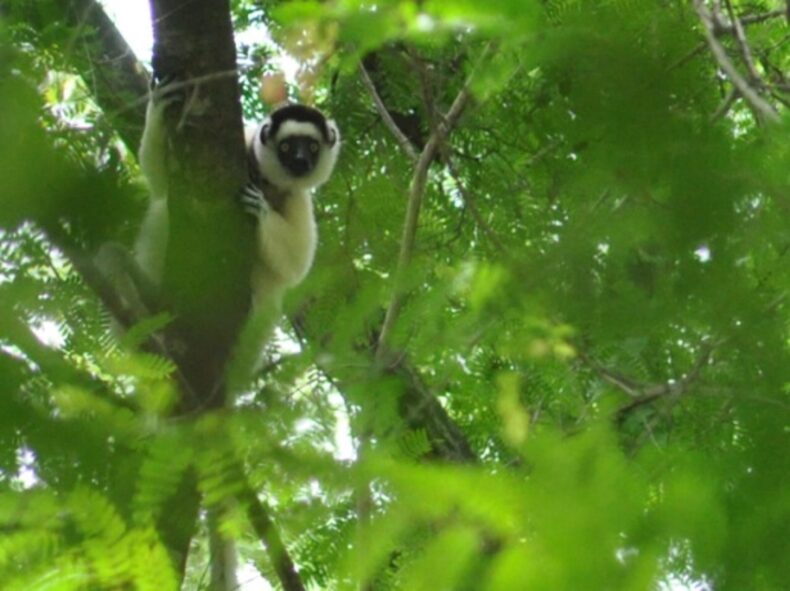
This project is implemented by World Wide Fund for Nature (WWF) Madagascar.
Project objectives
To counter these threats, WWF Madagascar is scaling up lemur conservation efforts across the entire Mahafaly landscape. While previous interventions focused primarily on the Amoron’i Onilahy Protected Area, this project expands action to include community-managed natural resource areas surrounding Tsimanampesotse National Park.
Project activities
-
Protecting and managing critical lemur habitats to maintain healthy spiny forest ecosystems
-
Strengthening scientific research and sharing evidence to inform effective conservation action
-
Raising awareness at multiple levels to encourage positive behaviour change towards lemurs and their habitats
-
Advocating for stronger enforcement of conservation laws and implementation of the Regional Lemur Protection Plan
-
Supporting local communities to improve livelihoods, reducing pressure on natural resources and wildlife